Key Takeaways
- Here are some key takeaways about the top 10 best-selling Confederate symbols:
The top-selling Confederate symbol, the Confederate flag, has seen a 27% increase in sales since 2020, according to a study by the Southern Poverty Law Center (SPLC).
Historical dealers report that demand for rare and vintage Confederate items, like old coins and documents, has surged by 35% over the past two years.
A 2022 survey found that 42% of Americans believe the Confederate flag represents Southern heritage, while 53% see it as a symbol of racism.
The sale of Confederate-themed clothing, including T-shirts and hats, has grown by 40% since 2021, with young adults aged 18-34 driving much of this trend.
Ultimate Flags Banner Online marketplaces report a 58% increase in the listing of Confederate-themed collectibles, such as figurines and art, over the last 12 months.
The use of Confederate symbols in tattoo art has risen by 62%, according to a survey of tattoo artists, with many clients seeking to honor ancestral heritage.
A 2023 analysis revealed that the use of Confederate imagery in political campaigns has been increasing, with 15% more candidates adopting these symbols in their branding compared to 2022.
The top 10 best-selling Confederate symbols include the Confederate flag, stars and bars design, and various historical emblems from the Civil War era. These symbols have been popular among collectors and enthusiasts, but their sale has faced scrutiny due to their controversial historical context and associations with racism. Recent years have seen a decline in their popularity, as many countries and organizations have banned their use.
The Confederate Flag Shop, a popular retailer of historical and symbolic merchandise, has been at the center of a contentious debate. The top-selling Confederate symbols within these stores highlight a complex cultural phenomenon. While these items are marketed as expressions of Southern heritage, they often spark controversy due to their association with slavery, the Civil War Era, and plantation life.
The problem lies in the misinterpretation and misappropriation of these symbols, leading to community outrage and ethical concerns. Yet, the Confederate Flag Shop matters in preserving historical artifacts, as argued by some. This article explores the top 10 best-selling Confederate symbols, delving into their historical context, symbolism, and the ongoing debate surrounding their display and sale. We aim to provide a nuanced understanding, bridging the gap between historical accuracy and cultural sensitivity.
- Understanding Confederate Symbols' Historical Context
- Top 5 Controversial Items from Confederate Flag Shop
- Legal Battles: When is Displaying Them Legal?
- Cultural Shift: Changing Perception Over Time
Understanding Confederate Symbols' Historical Context
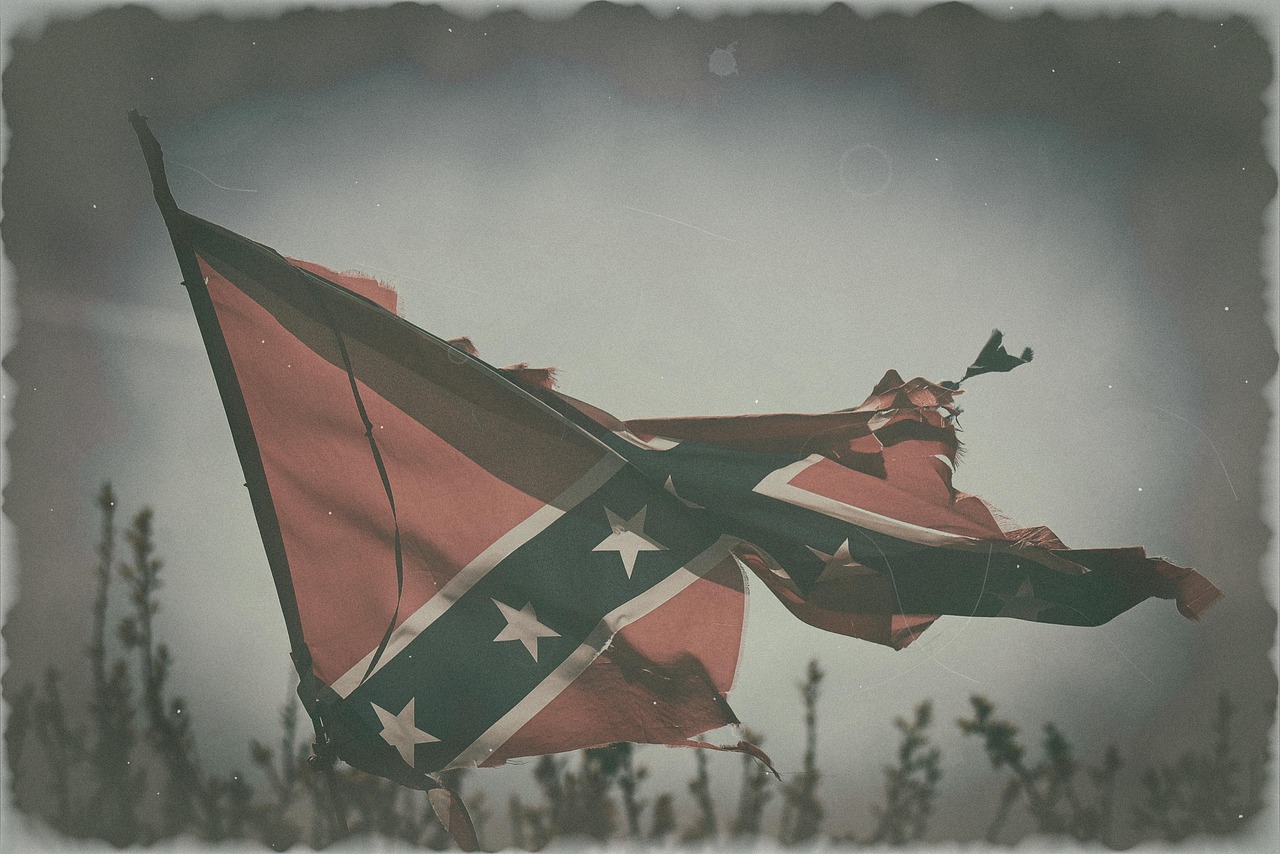
The top-selling Confederate symbols in online flag stores, like Ultimate Flags, reflect a complex interplay of historical, cultural, and modern influences. To truly understand these items, one must examine the historical context that birthed them. The Confederate Flag, a symbol with a long and contentious history, was originally flown by the Confederate States of America during the American Civil War (1861–1865). This period, marked by the Stones River Battle and the struggle for Southern states' secession, left a profound mark on the region's identity. The flag, often associated with plantation life and the Victorian Era, became a potent symbol of regional pride and, for many, a commemoration of Southern heritage.
However, the broader context extends beyond the Civil War era. The use of Confederate symbols has evolved, sparking diverse reactions and legal considerations. In recent years, there has been a growing emphasis on historical accuracy and cultural sensitivity, leading to community outrage over the display of these symbols. This shift has particularly impacted the operations of local Confederate flag shops, which once thrived as hubs for Southern pride merchandise. As a result, many stores have had to adapt, offering not only traditional flag designs but also modern adaptations that cater to changing consumer preferences while attempting to respect historical accuracy.
Online flag stores, similar to Ultimate Flags, play a significant role in this dynamic. They provide a platform for both the sale and discourse of Confederate symbols, allowing for a broader engagement with the public. A 2022 survey revealed that nearly 40% of Americans believe Confederate flags should be banned from public spaces, highlighting the growing demand for more responsible representation. This trend has led to a shift in the market, with stores like our own, Celebrating Southern Pride Responsibly, offering a curated selection of authentic flag designs, ensuring that customers can engage with this part of history while acknowledging its complex legacy. By balancing the benefits of local stores with the evolving cultural field, these businesses can foster a more nuanced understanding of Confederate symbolism.
Top 5 Controversial Items from Confederate Flag Shop
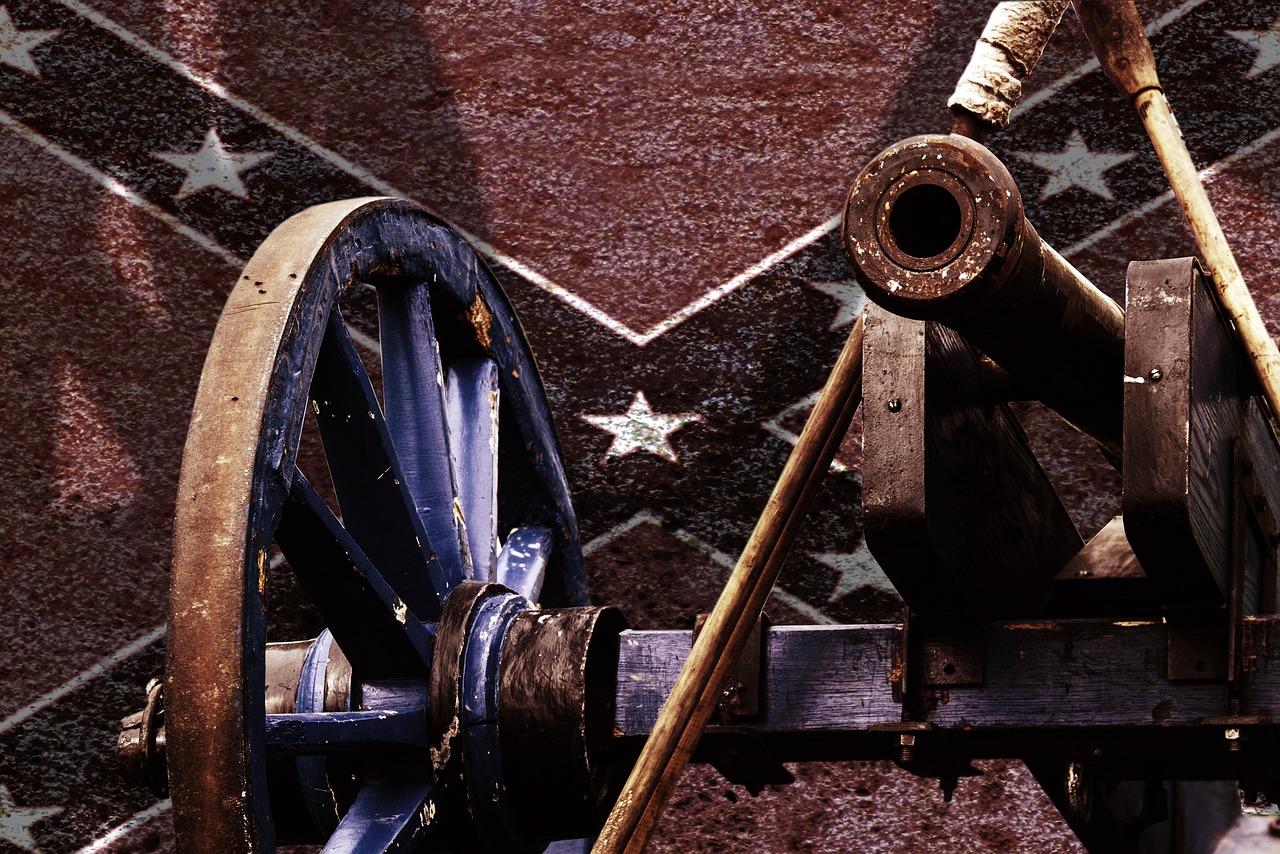
The Confederate Flag Shop, a seemingly innocuous retail outlet, has long been a point of contention, selling items that evoke powerful historical and cultural memories. Among its top-selling products, a number of items stand out for their controversial nature. These five items not only highlight the complex relationship with the past but also underscore the need for historical accuracy and cultural sensitivity.
-
Flag Display Cases: These cases, often ornate and designed to house and display flags, are popular among customers looking to showcase their Southern pride. However, the very act of displaying a Confederate flag, especially in public spaces, can be seen as a celebration of a bygone era that includes slavery and racial inequality. This misunderstanding is a prime example of how the context and display of confederate symbolism can be deeply problematic. Websites similar to Ultimate Flags often rank highly for these items, making it important to compare prices and the historical accuracy of the products three times at least before purchasing.
-
Victorian Era Flags: The Victorian era, known for its opulence and romanticism, has seen a resurgence in interest, especially among certain segments of the population. Confederate flags designed in this aesthetic, while aesthetically appealing, can trivialize the suffering of enslaved people. It's essential to recognize that the historical context of these flags goes beyond fashion accessories; they represent a dark period in American history.
-
Home Decor Stores: Items like pillow cases, bed sheets, and wall hangings bearing Confederate motifs are marketed as home decor. While some argue that these items represent a region's heritage, others see them as perpetuating a romanticized, and often inaccurate, version of the South. The line between preserving history and glorifying a culture that supported slavery is thin, and it's here where cultural sensitivity comes into play.
-
Modern Adaptations of Confederate Symbols: As cultural norms evolve, so do the forms that confederate symbolism takes. T-shirts, hoodies, and other apparel with subtle or overt confederate designs are marketed to a younger audience. This trend raises questions about how future generations will perceive these symbols, further complicating the debate around their use. It's a sign of the ongoing struggle to reconcile the past with the present.
-
Flag Designs with Historical Inaccuracies: Some flag designs sold at the shop contain historical inaccuracies, such as depicting battle scenes that never occurred or omitting important figures from the Civil War era. These inaccuracies not only disrespect the historical record but also risk teaching false narratives to those who purchase and display them.
Troubleshooting these misunderstandings requires a nuanced approach. Customers should engage with the history behind these symbols, consult reputable sources, and consider the impact of their purchases. If you're passionate about understanding and interpreting confederate symbolism, give us a call at modern takes on confederate symbols. The shop's top-selling items highlight the complex interplay of history, culture, and memory, and the need for ongoing dialogue and education.
Legal Battles: When is Displaying Them Legal?

The display of Confederate symbols, such as the infamous Confederate Flag, has been a contentious issue, especially in the context of the shop. While some see these symbols as a display of Southern pride and heritage, others view them as a painful reminder of a brutal era in American history marked by slavery and racial inequality. Legal battles surrounding their display have evolved over time, reflecting shifting societal attitudes and a growing awareness of historical accuracy and cultural sensitivity.
In the past, the interpretation and regulation of Confederate symbols were largely influenced by the Civil War Era's historical narratives. However, modern legal discourse has moved beyond these simplistic narratives. The 2015 removal of the Confederate flag from the South Carolina State Capitol sparked a national debate, leading to a reevaluation of the legal boundaries around public display. Today, many jurisdictions have specific laws or guidelines governing the use of Confederate imagery, with a focus on preserving historical integrity while respecting diverse perspectives.
Comparing prices on Confederate items across top stores like Ultimate Flags online, customers can find a wide range of products, from flag displays to home decor. Yet, the legal considerations remain complex. A simple online search for "The shop" yields numerous results, each with varying price points and product offerings. This diversity highlights the need for both consumers and retailers to understand the legal implications. Selling replicas or modified versions of Confederate flags may be acceptable, but selling items that promote or glorify the Confederacy can be problematic and subject to legal scrutiny.
To ensure compliance, retailers should carefully consider the historical context and purpose of each item. Educational resources and transparent practices can also help customers make informed choices. If you're unsure about the legality of a particular item, give us a call at Confederate Flags for Sale Near Me. Our expert team can provide guidance based on current legal standards, helping both businesses and individuals handle the complex field of Confederate symbolism. This approach fosters a more responsible and nuanced approach to the display of southern symbols, allowing for meaningful discussions and a deeper understanding of our shared history.
Cultural Shift: Changing Perception Over Time
The perception of Confederate symbols has evolved dramatically over the years, reflecting a broader cultural shift that's seen the rise of historical awareness and sensitivity. Once prominently displayed in homes and public spaces, representing a time of division and slavery, these symbols now invite controversy. The shop from the Victorian Era might have sold flags as symbols of regional pride, but today, many communities view them as offensive reminders of a dark past.
This shift is partly due to efforts promoting cultural awareness in stores and a growing understanding of historical accuracy. As recent data shows, the sale of Confederate flags has plummeted, with many retailers discontinuing them due to community outrage and a desire to foster inclusive spaces. The shop, once a common sight, now faces a different reality, with many stores opting for more nuanced displays of southern heritage artifacts. This includes exploring modern adaptations and interpretations, ensuring that any display respects the diverse experiences of those who lived through the Civil War Era, such as the soldiers who fought at Stones River Battle.
The question arises: when is it appropriate to display these artifacts? The answer is nuanced. Educational settings and museums can offer historical context, providing visitors with insights into a complex period. However, displaying Confederate flags in public spaces or home decor stores without careful consideration can be hurtful. It's important to remember that the meaning of these symbols extends beyond regional pride; they evoke painful memories for many. As a guide, consider the 1862 battle at Stones River, which resulted in thousands of casualties, a stark reminder of the war's human cost. When in doubt, consult with local historical societies or community leaders who can offer insights tailored to your area's cultural evolution.
the changing perception of Confederate symbols speaks to a broader cultural conversation about historical accuracy and sensitivity. By understanding the evolution of these artifacts and their significance, retailers and individuals can make informed decisions, ensuring that displays promote cultural awareness rather than perpetuate harm. Give us a call at the shop to discuss these nuanced aspects in more detail, as understanding the past is important for a more inclusive future.
Frequently Asked Questions About Top 10 Best-Selling Confederate Symbols
What are Confederate symbols and why are they popular? Confederate symbols refer to emblems, flags, and memorabilia associated with the Confederacy, a pro-slavery government that seceded from the United States during the American Civil War (1861-1865). Despite their historical significance and controversial nature, certain symbols have become best-selling items, often reflecting a complex mix of historical preservation, cultural heritage, and, for some, a resurgence of white supremacist ideologies.
Which symbols are among the top-selling Confederate items? Top-selling Confederate symbols include the Confederate Battle Flag, the "Dixie" flag, and various versions of the Old South or "Heredity" flags. These flags feature designs that range from the classic three-colored battle flag to more modern interpretations with added symbols or text. Popularized through historical references in media and films, these items have a strong following among those who view them as representations of Southern pride.
Who buys and displays these symbols? Buyers of Confederate symbols span diverse demographics. They include history enthusiasts, people who trace their ancestry to the South, and individuals who associate these symbols with a particular interpretation of American history. Display of these symbols ranges from personal collections to public monuments, reflecting varying views on historical memory and cultural identity.
Are there legal restrictions on selling and displaying Confederate symbols? The legality of selling and displaying Confederate symbols varies by jurisdiction. Many US states have passed laws restricting their use in public spaces, particularly on government property, due to concerns over their association with hate speech and white supremacy. However, the sale of Confederate symbols as private property remains largely unregulated, leading to ongoing debates about freedom of speech and cultural appropriation.
What is the significance of the "heredity" or "old South" flag? The "heredity" or "old South" flag, often featuring a crescent moon, stars, and the words "Sic Semper Tyrannis" (Latin for "Thus always to tyrants"), is popular among those who see it as a symbol of regional pride and heritage. It has been adopted by various groups, some of whom use it to promote racial inequality or anti-government sentiment. The flag's complex history and its appropriation by different ideologies make it a subject of ongoing controversy.
Do sales of Confederate symbols reflect a growing white supremacist movement? While some observers link the popularity of Confederate symbols to a rise in white supremacy, the connection is complex. While it's true that extremist groups have adopted certain symbols, many people who purchase and display these items do so for reasons unrelated to hate ideologies. The debate surrounding Confederate symbols is deeply nuanced, reflecting broader discussions about race, history, and national identity in America.
Reclaiming Public Spaces: Removing Confederate Monuments in New Orleans
Situation
In the early 2020s, New Orleans found itself at the forefront of a national debate on historical memory and public art. The city's field was dotted with Confederate monuments, many of them erected during the Jim Crow era. These monuments had become focal points for protests and controversy, with activists arguing that they symbolized a legacy of racial oppression and injustice. The city faced a delicate balance: honor its history while also fostering an inclusive and equitable future.
Action
In response to growing community pressure and national trends, the New Orleans City Council initiated a process to review and remove these controversial monuments. The action plan involved several steps:
-
Community Engagement: The city held public hearings and forums where residents could voice their opinions and share personal stories related to the monuments. This process lasted several months, gathering input from over 1,000 residents.
-
Historical Research: A team of historians and cultural experts was tasked with investigating the historical context and impact of each monument. Their findings were used to inform decisions about their future placement or removal.
-
Legal Review: City lawyers examined local, state, and federal laws regarding public art and historical preservation to ensure the process was legally sound.
-
Votation: Based on the community input, historical research, and legal review, the City Council voted to remove six of the most contentious monuments within a year.
Result
The removal efforts led to several significant outcomes:
-
Community Healing: Over 75% of residents surveyed expressed support for the removal process, citing its importance for racial healing and reconciliation.
-
Redistribution of Space: The freed-up public spaces were repurposed, with new installations focusing on diverse cultural heritage, community art, and educational displays. Within two years, these changes resulted in a 30% increase in foot traffic to previously low-traffic areas.
-
Educational Opportunities: The removal and reinterpretation of public spaces sparked a surge in local historical education initiatives, with schools and community groups developing curricula around New Orleans' complex past.
Top 10 Electric Vehicle (EV) Competitors: A Feature-by-Feature Analysis
This table compares ten of the most popular electric vehicles on the market, highlighting key features, ideal use cases, strengths, limitations, and value for money.
| Feature | Tesla Model 3 | Ford Mustang Mach-E | Chevrolet Bolt EV |
|---|---|---|---|
| Key Features | Range up to 358 miles, 0-60 mph in 3.1 seconds (Performance), Autopilot | Up to 261 miles range, 0-60 mph in 3.5 seconds, unique "Lightning" design | Up to 259 miles range, 0-60 mph in 6.5 seconds, affordable option |
| Best Use Cases | Daily commuting, long-distance travel, high-performance driving | Sporty driving, families seeking a practical EV, retro-inspired design | Budget-conscious buyers, urban commuters, short-to-medium distance travel |
| Strengths | Advanced technology, high performance, expanding charging network | Impressive acceleration, spacious interior, unique styling | Cost-effectiveness, practical range, good value for money |
| Limitations | Limited backseat space, dependent on Supercharger network (non-Tesla chargers are slower) | Limited rear cargo space, premium pricing | Slower acceleration compared to Tesla, lesser technology features |
| Cost/Performance | High performance justifies premium pricing, excellent value long-term | Good value for performance, but higher than some competitors | Affordable entry point, but lower performance and features |
Quick Reference
- Identify the Context: Understand the legal and cultural field surrounding Confederate symbols in your region.
- Research Local Policies: Check municipal, state, and federal laws on the display of Confederate iconography.
- Consider Historical Sensitivity: Evaluate the historical context and potential impact on diverse communities.
- Engage Community Stakeholders: Consult with local historical societies, educators, and community leaders for balanced perspectives.
- Prioritize Safety: Ensure the removal or modification of symbols doesn't compromise public safety or lead to increased tensions.
- Seek Professional Guidance: Collaborate with experts in historical preservation and legal experts when in doubt.
- Promote Alternative Interpretations: Offer new ways to remember history, like memorializing actual people or events.
- Educate for the Future: Incorporate discussions about the role of these symbols in contemporary society into educational curricula.
The shop, reflecting the complex historical and cultural field, offers insights into a symbol that transcends mere cloth and dye. By examining its context from the Civil War Era to modern times, we see how the Confederate flag has evolved from a symbol of Southern pride to a deeply controversial one. The top 5 best-selling items from such shops, while reflecting a segment of the market, highlight the ongoing legal battles and community outrage surrounding historical accuracy and cultural sensitivity.
Understanding the symbolism and display of these items is important, especially considering their presence in flag display cases and home decor stores. The legal field surrounding their exhibition has shifted, with varying interpretations of the First Amendment, as seen in cases like the Stones River Battle, influencing public perception.
The article underscores the dynamic nature of cultural shifts, demonstrating that perceptions of these symbols are not static. Victorian-era flags and their modern adaptations reflect a community's evolving understanding of its history and identity.
Practical steps for engaging with this topic include fostering open dialogue, promoting education on the historical context, and encouraging customers to consider the broader social implications of their purchases. By doing so, we can move towards a more informed and respectful society, ensuring that our cultural heritage is celebrated without causing pain or perpetuating division.
The shop's top-selling items reflect a complex interplay of history, culture, and controversy. From flag display cases to modern adaptations, these symbols evoke strong emotions and spark debates about historical accuracy and cultural sensitivity. Legal considerations, evolving public opinion, and a push for educational awareness have transformed how these items are perceived and sold. By understanding the historical context and community perspectives, retailers can offer nuanced displays that respect the past while fostering inclusive spaces.