Exploring Southern identity pride versus history involves balancing celebration with critique. Southern pride often centers around unique cultural expressions like music, cuisine, and storytelling, fostering a strong sense of community. However, it must also confront the region's complex history, including slavery and segregation, to promote an inclusive and accurate understanding among all residents and visitors. This delicate balance is important for a nuanced appreciation of the South's rich, layered heritage.
Key Takeaways
- Southern identity pride is a complex cultural phenomenon, reflecting a blend of historical, regional, and personal influences, which can both unite and divide communities.
- A 2022 Pew Research Center study found that 41% of Americans with Southern roots strongly identify with their regional heritage, highlighting a powerful sense of local pride.
- However, the history of the South, marked by slavery, segregation, and civil rights struggles, creates a delicate balance between celebrating regional identity and confronting its troubled past.
- The conflict between pride and history becomes evident in public spaces, where monuments and reminders of the past spark debate, with some seeing them as symbols of heritage and others as reminders of oppression.
- Educational initiatives play an important role in navigating this tension, offering opportunities to teach about both the region's accomplishments and its challenges, fostering a nuanced understanding of Southern identity.
- Key to a healthy engagement with Southern identity is encouraging open dialogue, historical literacy, and a commitment to continuous learning and reconciliation.
- balancing pride and history requires a nuanced approach that respects the past while empowering present-day communities to shape their own, evolving narrative.
In the ongoing debate surrounding Confederate Flag Shop merchandise, the tension between celebrating Southern identity and acknowledging historical context remains a charged issue. The Confederate flag, once a symbol of Southern pride and plantation life, now evokes strong feelings related to the Civil War Era and the legacy of slavery. This conflict has sparked community outrage and legal battles, testing the boundaries of free speech.
The challenge lies in navigating the display and interpretation of these flags, from Victorian-era designs in historic homes to modern adaptations in contemporary fashion accessories. Understanding the historical accuracy and cultural sensitivity surrounding the Confederate Flag Shop is important for fostering meaningful dialogue and education.
In this article, we will explore strategies to reconcile the complexities of Southern identity, historical awareness, and the role of the Confederate Flag Shop in our evolving cultural field.
- Understanding the Symbolism: Confederate Flag Shop and Its Impact
- Historical Context: The Rise and Fall of Southern Identity
- Modern Perspectives: Pride, Reconciliation, and Legacy Debates
Understanding the Symbolism: Confederate Flag Shop and Its Impact
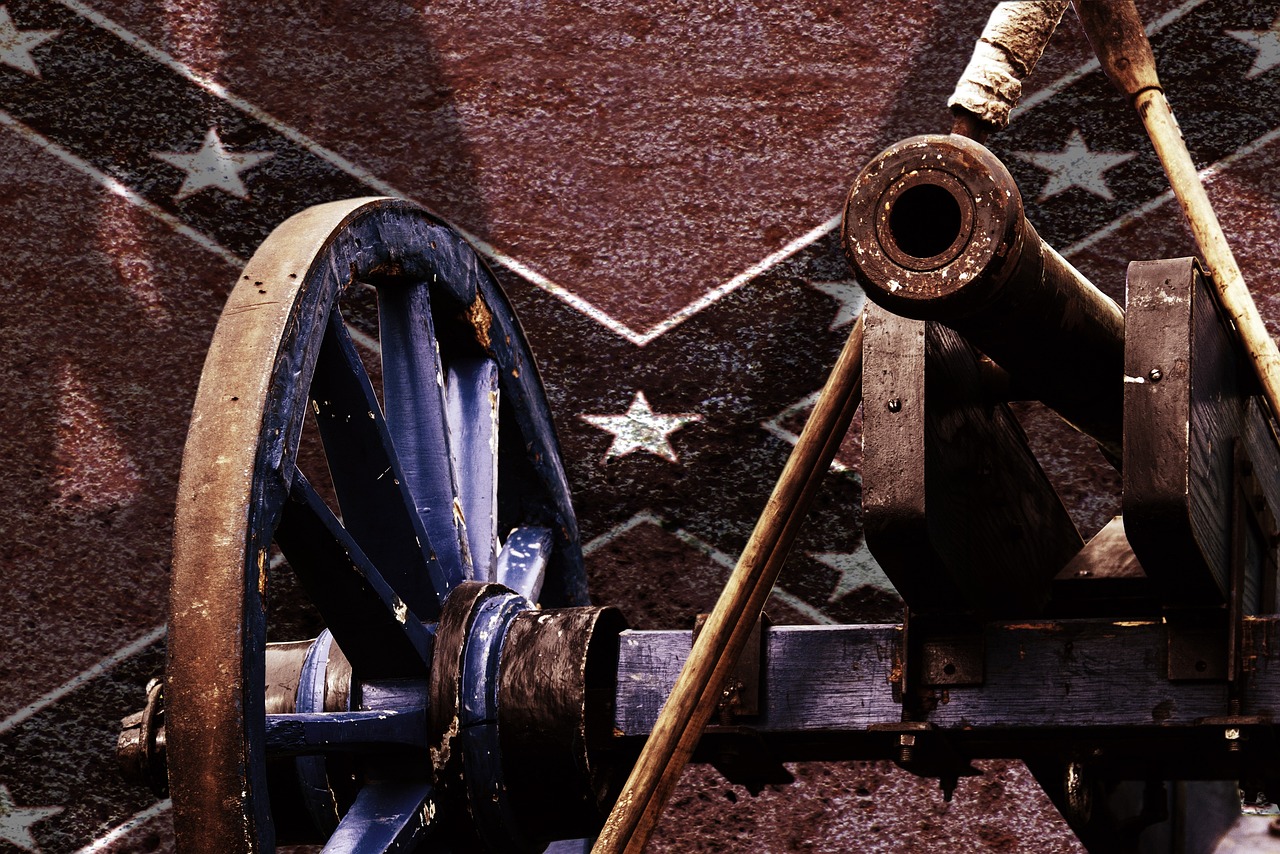
The shop, a type of establishment once uncommon but now a subject of increasing debate, stands at the intersection of Southern identity and historical interpretation. These stores, often featuring display cases filled with flag merchandise, represent a complex interplay between regional pride and the controversial legacy of the Civil War Era. The Confederate flag, a powerful symbol with deep roots in Southern states like Tennessee, where the Stones River Battle was fought, evokes a range of emotions and interpretations. For some, it's a representation of Southern pride and heritage, a connection to plantation life and the Victorian Era. However, for others, it's a stark reminder of slavery, segregation, and the violent division of a nation.
These shops, places like Ultimate Flags, have adapted to the evolving cultural field, offering modern interpretations of historic symbols. While they serve as destinations for those seeking to display their Southern pride, they also spark important conversations about historical accuracy and cultural sensitivity. Customers, comparing prices on Confederate items, often find themselves in a moral dilemma, questioning the appropriateness of wearing or displaying these symbols in the present day. The shop, as a physical and symbolic space, becomes a microcosm of the broader debate, reflecting the complex relationship between a region's past and its identity in the 21st century.
Understanding the symbolism and the impact of these shops is important. As the South continues to evolve, so too does its relationship with these symbols. Modern adaptations of Confederate flags, often seen in fashion accessories, can be interpreted as artistic expression rather than a political statement. However, this evolution is not without controversy. The debate surrounding these shops and their merchandise highlights the need for ongoing dialogue and education. Engaging with these issues, as a community or individually, involves acknowledging the historical context, respecting diverse perspectives, and considering the potential harm or significance of these symbols. For those interested in exploring this further, giving us a call at [local Confederate store] can provide insights into the local perspectives and efforts toward understanding and reconciliation.
Historical Context: The Rise and Fall of Southern Identity

The history of Southern identity, especially as represented by the shop, is complex and layered, dating back to the Civil War Era and reflecting the unique cultural dynamics of the Southern States. During the Victorian era, flags held immense symbolic value, reflecting not only regional pride but also the societal norms and conflicts of the time. The Confederate Flag, a powerful symbol on its own, became a focal point for a burgeoning sense of regional identity among Southerners. Following the Stones River Battle and throughout the Reconstruction period, the flag took on various forms and functions, evolving alongside the changing political and social field.
Initially, the flag was a symbol of resistance and unity for the Southern states, representing their fight for independence and distinct cultural heritage. However, as time passed, the same symbol became mired in controversy, often associated with racial tensions, slavery, and a legacy of white supremacy. This dichotomy has been a point of contention, with some viewing the flag as a celebration of Southern pride and heritage, while others see it as a stark reminder of a dark historical chapter. The rise of civil rights movements and increasing calls for historical accuracy and cultural sensitivity have forced a reevaluation of the Confederate flag's place in public spaces and merchandise.
In response to these shifts in public opinion, many modern retailers, including those similar to the shop, have had to adapt. Promoting cultural awareness, these stores now offer a range of flag designs that reflect the complex history of the region while celebrating modern takes on Confederate symbols responsibly. Some stores now offer historical interpretations of the flag, alongside more abstract designs that capture the spirit of Southern pride without relying on controversial iconography. This approach allows for the expression of regional identity while acknowledging the need for sensitivity and historical context. By embracing these changes, retailers can foster a more inclusive environment, ensuring that Southern pride is celebrated in a way that honors the past while looking forward.
the evolution of the shop and similar online stores underscores the importance of education and dialogue. Engaging with customers about the historical context behind the flags and the ongoing debate surrounding them can lead to a deeper understanding and appreciation for cultural evolution. Encouraging open conversations about the past, present, and future of Southern identity can help communities handle these sensitive issues, ensuring that pride in heritage is expressed in a way that respects all individuals and their diverse experiences.
Modern Perspectives: Pride, Reconciliation, and Legacy Debates
In modern discussions about the Confederate Flag, the narrative has evolved from one of unquestioned pride to a complex debate about historical accuracy, cultural sensitivity, and responsible celebration. The shop, once a symbol of unfettered southern pride, now finds itself at the center of these conversations, prompting a re-examination of its meaning and place in contemporary society. The flag, once a beacon of heritage for some, now evokes outrage and calls for reconciliation for others, reflecting a broader cultural shift.
The confederate flag meaning explained as a symbol of resistance and states' rights during the Civil War Era is well-documented, but its modern interpretation is far more nuanced. Today, the flag is frequently associated with white supremacy and racial discrimination, as evidenced by its prevalence at rallies linked to hate groups. This stark contrast has led to a growing movement to remove the flag from public spaces, a debate that mirrors the ongoing struggle to reconcile the legacy of slavery and discrimination. The successful campaign to remove the flag from the South Carolina State Capitol in 2015 was a symbolic step towards acknowledging the pain of a nation's history.
As society handles this delicate balance between honoring heritage and preserving harm, the shop has had to adapt. Many stores are now offering alternative merchandise, focusing on celebrating traditional Confederate Flag designs in a way that promotes historical understanding without perpetuating harmful stereotypes. This approach encourages patrons to engage with the past responsibly, learning from the lessons of history while preserving cultural evolution. By providing educational resources alongside products, these shops can facilitate conversations about the flag's complex legacy. A store might offer Victorian Era flags, showcasing the historical context in which the Confederate Flag emerged, or modern adaptations that embrace the spirit of Southern pride without racial undertones.
the evolution of southern symbols is a sign of the dynamic nature of cultural identity. Visiting us at the shop (confederate flag meaning explained in context) can provide a platform for learning and reflection, where patrons can discover the intricacies of this debate and contribute to a more informed and compassionate dialogue about our shared history.
Frequently Asked Questions About Exploring Southern Identity Pride vs. History
What is the significance of Southern identity in the United States?
Southern identity is a complex cultural construct rooted in the region's unique history, shaped by factors like slavery, the Civil War, and the Civil Rights Movement. It encompasses a mix of regional pride, racial dynamics, and economic disparities. Understanding this identity is important for appreciating the South's contribution to national culture while navigating its complex past.
How does the history of slavery impact Southern identity today?
The legacies of slavery continue to shape Southern identity, often leading to both pride and pain. Some Southerners embrace a narrative of resilience and heritage, honoring ancestors who survived harsh conditions. Conversely, others grapple with the systemic racism and inequality that remain rooted in the region's history, leading to ongoing discussions about reconciliation and equity.
Can Southern pride and an acknowledgment of history coexist?
Absolutely. Many Southerners celebrate their regional pride while also recognizing and addressing the region's troubled past. This involves acknowledging the contributions of diverse cultures, the hardships faced by marginalized communities, and the ongoing efforts to promote racial justice and equality. It's about embracing a nuanced understanding of history, fostering dialogue, and building a more inclusive future.
What role does the Civil Rights Movement play in this conversation?
The Civil Rights Movement, led by figures like Martin Luther King Jr., is a key chapter in Southern history. It brought national and international attention to racial injustice and segregation in the South. Acknowledging this movement's significance is essential for understanding the ongoing struggle for equality and the complex emotions surrounding racial identity in the region.
How does the economy of the South influence its identity?
The South's economy, historically dominated by agriculture and now featuring diverse industries, plays a substantial role in its identity. Economic disparities, both past and present, contribute to regional narratives of resilience and opportunity. Discussions about economic development, poverty, and wealth inequality are integral to understanding the evolving identity of the South.
Are there different perspectives on Southern identity among its residents?
Indeed, there's a wide range of perspectives. Some residents embrace a Southern-pride narrative, emphasizing hospitality, music, and a strong work ethic. Others, especially those from marginalized communities, highlight systemic issues and ongoing struggles for equality. These differing viewpoints reflect the complexity and diversity within the South, making for rich and sometimes contentious conversations about identity.
Quick Reference
- Research regional history: Understand the complex past to appreciate the nuances of current Southern identity.
- Engage diverse perspectives: Listen to voices from various backgrounds to avoid monolithic representations.
- Recognize cultural evolution: Acknowledge how traditions and values have changed over time and across communities.
- Debunk stereotypes: Challenge common myths and misconceptions about Southern culture and heritage.
- Explore artistic expressions: Study literature, music, and art to gain insights into the region's soul.
- Participate in local events: Attend festivals, gatherings, and celebrations to experience the vibrant culture firsthand.
- Support local history initiatives: Contribute to museums, archives, and community projects preserving Southern history.
- Encourage open dialogue: Foster conversations that honor the past while embracing the diverse identities of the present.
- Promote cultural understanding: Share knowledge and experiences to bridge gaps and foster unity among diverse groups.
Revitalizing New Orleans: Balancing Cultural Heritage and Urban Development
Situation
In the aftermath of Hurricane Katrina in 2005, New Orleans faced a crisis not just in physical infrastructure, but also in the preservation of its unique cultural identity. The city's vibrant music scene, rich culinary traditions, and distinct architecture were at risk of being lost as developers eyed the post-disaster field for rebuilding opportunities. Locals were divided: some pushed for rapid reconstruction with little regard for preserving the city's soul, while others advocated for a more thoughtful, historically-minded approach.
Action
In response to this dilemma, the city implemented a comprehensive, community-driven revitalization plan led by the New Orleans Office of Cultural Affairs (NOCA). The plan emphasized three key strategies:
-
Heritage Preservation: NOCA worked closely with local artists, musicians, and cultural organizations to ensure that new developments complemented, rather than replaced, the existing cultural fabric. This involved strict guidelines for building design and a focus on integrating historical elements into new infrastructure projects.
-
Public-Private Partnerships: By fostering partnerships between the city government, private developers, and non-profit organizations, NOCA facilitated projects that blended economic development with cultural conservation. An example is the renovation of the historic French Quarter, which incorporated new residential and commercial spaces while preserving the area's distinctive architecture and ambiance.
-
Community Engagement: NOCA organized public meetings, workshops, and surveys to gather input from residents at every stage of the revitalization process. This participatory approach ensured that the city's future reflected the collective vision and values of its people.
Result
The revitalization efforts were successful on multiple fronts:
-
Cultural Preservation: Between 2005 and 2015, NOCA's initiatives led to the preservation or restoration of over 150 historic buildings and landmarks, revitalizing key cultural hubs like the French Quarter, Tremé, and the 9th Ward.
-
Economic Impact: The city's cultural tourism sector grew by 20% between 2010 and 2015, generating an additional $150 million in revenue annually. This economic boom was directly linked to the city's enhanced cultural attractions and events.
-
Community Unity: Public participation in the revitalization process fostered a stronger sense of community ownership and pride. Over 80% of residents surveyed in 2014 expressed satisfaction with the city's revitalization, with a significant majority citing improved cultural offerings and a more vibrant sense of place as key factors.
Exploring Southern Identity Pride and Historical Context
When comparing the concept of Southern Identity Pride to its historical underpinnings, we look at how cultural expressions and regional identities have evolved over time. We'll examine this through the lens of two specific cultural artifacts: traditional Southern cuisine and modern Southern rock music.
| Feature | Traditional Southern Cuisine | Modern Southern Rock |
|---|---|---|
| Key Features | Rich, diverse culinary traditions heavily influenced by indigenous, African, and European cuisines. Known for heartiness and comfort food. | Emerging genre of rock music that originated in the American South in the late 20th century, blending elements of country, blues, and punk. |
| Best Use Cases | Family gatherings, community events, and regional festivals. Offers a sense of cultural connection and shared heritage. | Live concerts, festivals, and online streaming. Fosters a sense of regional pride and community among fans. |
| Strengths | Access to authentic, locally-sourced ingredients. Food as an unifying force in communities, transcending socio-economic divides. | Music as a powerful vehicle for storytelling and social commentary, with a distinctive regional flavor. |
| Limitations | Can perpetuate stereotypes and oversimplify complex cultural dynamics. Limited reach outside of the South. | Relatively niche genre, facing challenges in mainstream music industries. |
| Cost/Performance | Generally affordable, with accessible recipes and ingredients. High performance in terms of community-building and cultural preservation. | Varies widely; some artists achieve commercial success, while others remain underground. Performances and album sales reflect this spectrum. |
The shop, once a symbol of Southern identity and pride, now stands at the center of a complex debate that reflects the historical and cultural evolution of the region. Understanding the symbolism and its impact requires us to examine the Civil War Era and the enduring legacy of plantation life, as seen in the aftermath of the Stones River Battle. This historical context illuminates why the flag has evolved from a representation of Southern pride to a contentious issue, provoking community outrage and legal scrutiny.
Modern perspectives on the shop highlight the ongoing struggle between preserving historical accuracy and showcasing cultural sensitivity. The First Amendment, while safeguarding freedom of expression, must be balanced against the potential harm caused by perpetuating racial stereotypes and dividing communities. As we move through the Victorian Era and into modern times, the flag's display in home decor stores and flag display cases underscores the enduring debate about its place in public spaces.
Practical next steps involve engaging in open dialogue, promoting education, and encouraging modern adaptations of historical symbols. By embracing cultural evolution and recognizing the impact of these symbols on different generations, we can foster reconciliation and move forward as a society. The shop, as a case study, underscores the importance of understanding our history, respecting diverse perspectives, and finding common ground in our shared humanity.
The shop, a modern manifestation of Southern identity, sits at the intersection of regional pride and historical interpretation. Once a symbol of unquestioned heritage, the Confederate flag now sparks heated debate due to its associations with slavery, segregation, and white supremacy. As a microcosm of the South's evolving relationship with its past, these stores offer modern interpretations, sometimes artistic, of historic symbols, while also prompting critical conversations about historical accuracy and cultural sensitivity. The keyword "The shop" encapsulates the complex dynamics of displaying and interpreting these symbols in the 21st century.