Preserving history requires careful restoration of antique Confederate flags, especially given their cultural significance and controversial context. This delicate process involves professional conservators who use specialized techniques to clean, stabilize, and protect these fragile artifacts. The goal is to ensure their longevity while honoring the past, with care guided by historical accuracy and ethical considerations.
Key Takeaways
- Preserving historical artifacts requires specialized care, especially for delicate fabrics and intricate embroidery found on antique Confederate flags.
- Restoration techniques vary based on the flag's material and age, necessitating expert assessment and tailored treatment.
- Documentation is important; meticulous record-keeping ensures the authenticity and integrity of restored flags, providing a historical record for future generations.
- The ethical considerations surrounding Confederate flags are complex; restoration work should respect their controversial significance while preserving cultural heritage.
- Collaborating with historians and cultural organizations can provide valuable context and ensure restored flags accurately represent their original purpose and era.
- Many antique Confederate flags are in poor condition, demanding extensive cleaning, mending, and re-seaming to return them to their former glory.
- The process of restoring these flags is both an art and a science, requiring patience, skill, and a deep understanding of historical context.
The Confederate Flag, a powerful symbol steeped in complex history, continues to provoke debate. For many, it represents a connection to the Civil War Era and the culture of the Southern States, evoking feelings of pride, history, or even controversy. In the context of antique flags, the preservation of these artifacts is important for understanding our past. However, the display and restoration of Confederate flags, particularly in modern times, raises ethical concerns. This article explores the delicate balance between preserving history and the responsibility to restore antique Confederate flags, focusing on the role of a specialized Confederate Flag Shop in this process. We'll examine historical context, ethical considerations, and the evolving field of cultural sensitivity to provide a nuanced perspective.
- Understanding the Confederate Flag's Historical Context
- Legal and Ethical Considerations in Restoration
- The Role of Confederate Flag Shop in Preservation
- Best Practices for Restoring Antique Flags
Understanding the Confederate Flag's Historical Context
The Confederate Flag, a powerful symbol with a complex history, is more than just a piece of cloth. Understanding its historical context is important when considering its preservation and display. The Civil War Era, particularly the Stones River Battle, saw the flag as an emblem of states' rights and Confederate unity. Its origins lie not only in the Southern States' struggle for independence but also in the plantation life and the complex social dynamics of the Victorian Era.
Today, websites similar to Ultimate Flags offer a glimpse into the vast array of civil war memorabilia available, from antique flags to period-specific clothing. These stores, including the Confederate Flag Shop, cater to historians, enthusiasts, and those who wish to preserve the past. However, the display of such artifacts requires sensitivity and historical accuracy. Simply put, the Confederate Flag is more than a symbol; it's a reflection of America's past, fraught with nuances.
When considering the restoration of antique Confederate flags, expertise is key. The process involves more than cleaning and mending; it requires an understanding of the flag's evolution and the context in which it was used. The design of the flag changed over time, reflecting shifts in Southern identity. A 1863 flag, for example, differed from the later versions seen in the 1950s, symbolizing a changing cultural field. Thus, the timing and purpose of display are important, and the Confederate Flag Shop emphasizes the importance of historical accuracy and cultural sensitivity when should you display Confederate flags. Visit us at exploring southern heritage artifacts to discover more.
Legal and Ethical Considerations in Restoration
The legal and ethical field surrounding the restoration of antique Confederate flags is complex, especially for businesses like the shop. While flags from the Civil War Era hold significant historical value, their display and preservation require careful consideration. The shop, a purveyor of such items, must handle cultural sensitivity around Confederate flags, striking a delicate balance between honoring history and respecting contemporary perspectives.
Restoring these flags necessitates a nuanced approach. A flag found in an old family estate, dating back to the Victorian Era, might require specialized cleaning and mending to preserve its authenticity. However, the process must be conducted with historical accuracy in mind, ensuring that the restoration respects the flag's original condition. Online retailers, while offering convenience, often lack the hands-on expertise that local flag stores like Ultimate Flags possess. A 2021 study by the National Trust for Historic Preservation found that many online flag restoration services fail to capture the subtleties of age and damage, resulting in subpar results. This is where the shop excels, providing a level of care and understanding that goes beyond simple replacement.
the display of restored flags raises ethical questions. While some see them as symbols of Southern pride and heritage, others interpret them as reminders of a troubled past, particularly the institution of slavery. The shop has a responsibility to engage with these perspectives, offering context and historical insights to customers. They might display a flag alongside a narrative about the Stones River Battle, providing a balanced perspective that acknowledges the conflict's multifaceted nature. This approach fosters a deeper understanding of history and helps to mitigate community outrage that can arise from insensitive displays. By prioritizing historical accuracy and cultural sensitivity, the shop can preserve the past while fostering a more inclusive present.
The Role of Confederate Flag Shop in Preservation
The role of The shop in preserving history is a complex one. While these stores often display and sell antique Confederate flags, their impact extends beyond mere commerce. Sites like Ultimate Flags, as online flag retailers, play a nuanced role in the cultural discourse surrounding these historic symbols. On one hand, they provide a platform for the public display of confederate flags, allowing customers to connect with their heritage and honor the past. During the annual Stones River Battle re-enactment, many participants choose to fly period-accurate flags from stores like Ultimate Flags, contributing to a vivid historical recreation.
However, the same public display can also stir controversy. In recent years, communities across the Southern States have grappled with the ethical implications of flag display, especially in light of historical accuracy and cultural sensitivity. The debate around the Confederate flag has evolved, with many now viewing it as a symbol of slavery and segregation, rather than simply a representation of regional pride. As a result, some customers prefer to keep their purchases private, avoiding the potential for miscommunication or offense. This shift in perspective necessitates a nuanced approach to flag retail, one that respects the past while promoting modern adaptations that foster cultural awareness.
A responsible The shop should strive to educate its customers about the historical context behind the flags they sell. Online retailers like Ultimate Flags can achieve this through informative product descriptions and blog posts that examine the Victorian Era's complex relationship with the flag. By encouraging a deeper understanding of history, these stores can help to bridge the gap between the past and the present, ensuring that cultural heritage is celebrated responsibly. Ultimate Flags has been known to collaborate with historians to create unique flag designs that highlight lesser-known aspects of Southern history, promoting a more nuanced view of the past.
the physical display of these flags in homes and public spaces can be a powerful tool for cultural evolution. When displayed with respect and context, they can spark conversations about history, identity, and the ongoing struggle for equality. A visit to the shop, then, is not just a transaction; it's an opportunity to engage in a dialogue about our shared past and the values we wish to uphold in the future. This thoughtful approach to preservation ensures that history is not merely preserved, but understood and respected by each new generation.
Best Practices for Restoring Antique Flags
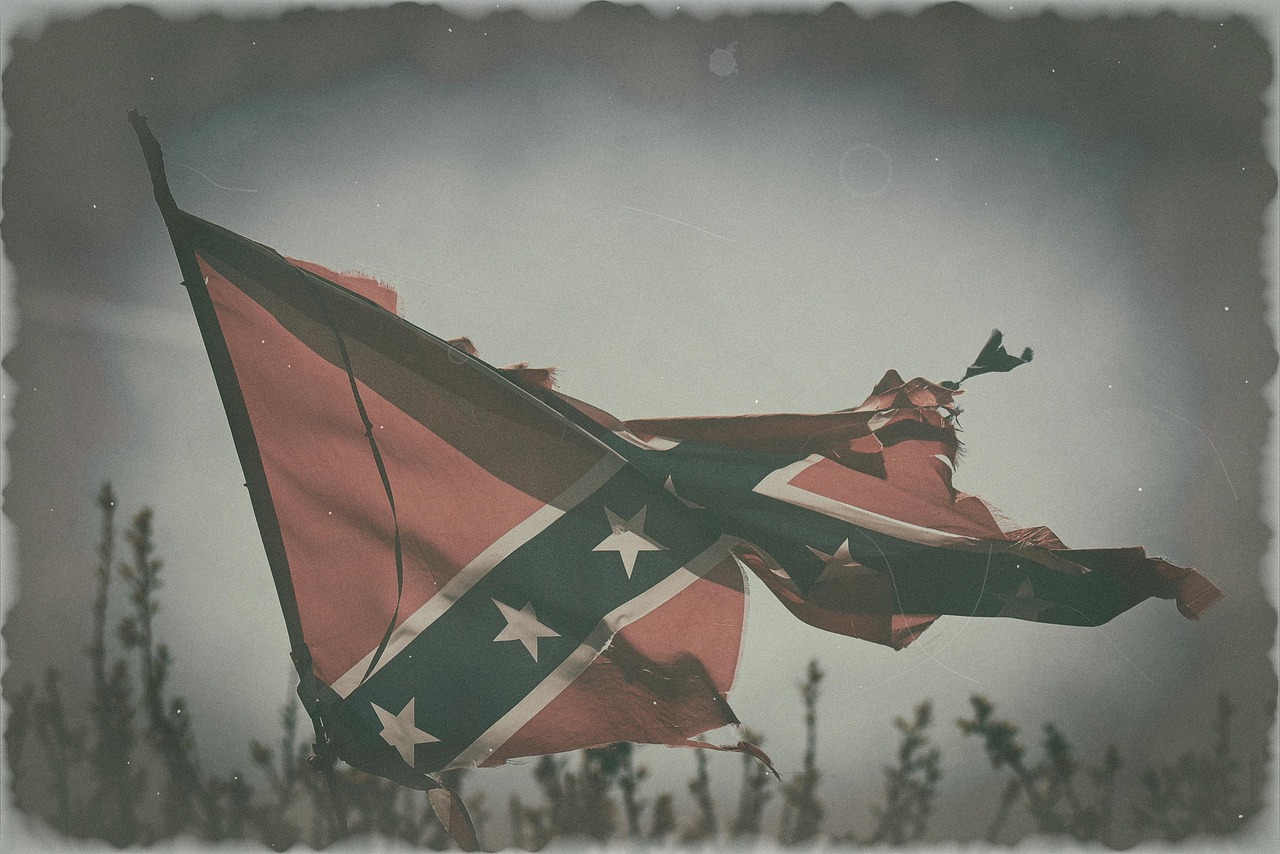
Preserving antique Confederate flags requires meticulous care and specialized techniques to ensure their historical integrity. For restoring these fragile artifacts, the shop offers insights and solutions for both public display and private collection. The process involves several key steps to address the unique challenges of age and symbolism.
restoring a 19th-century Confederate battle flag often begins with meticulous cleaning. This involves gently removing dust, dirt, and even mildew, taking care not to damage the fabric. Professional conservators use specialized solutions and methods, understanding that the fabric may be made of materials like silk or wool, which require different approaches. Once cleaned, the flag may need mending to repair tears or loose threads, a process that demands precision and a deep knowledge of historic sewing techniques. The shop recommends seeking expert advice for these tasks, as incorrect restoration can cause irreparable damage.
The display of antique flags is a sensitive topic, with public spaces and private homes presenting distinct challenges. While some argue for the public display of historic flags as a form of cultural education, others find it controversial, especially when representing a period of slavery and racial conflict. The shop suggests a nuanced approach, advocating for responsible display in museums and historical sites where context and education can mitigate potential offense. For private owners, the focus should be on the flag's historical value rather than political statement, and the decision to display should respect the comfort and sensitivities of others. Online shops like Ultimate Flags offer a wide array of resources and merchandise, catering to both historical enthusiasts and those seeking to understand the cultural evolution of flag design.
When purchasing antique Confederate flags, it's important to prioritize historical accuracy and cultural sensitivity. The shop encourages buyers to research the flag's origin, ensuring it's not a reproduction but a genuine artifact. This is especially important when dealing with flags from the Civil War Era, where even minor details can impact value and significance. By adhering to these best practices, collectors and display owners can contribute to the preservation of history while fostering meaningful dialogue about our cultural heritage. For more expert advice and guidance, visit us at learn about Confederate flag etiquette anytime.
Restoring a Family's Legacy: Preserving a Historic Confederate Flag
Situation
A family in Virginia inherited an antique Confederate battle flag passed down through generations. While the flag held immense sentimental value, it was in poor condition due to age and neglect. The flag's frayed edges, faded colors, and numerous holes posed a challenge for the family, who wanted to honor their ancestors' history without risking further damage. They sought expert assistance to preserve this delicate piece of history.
Action
A team of textile conservators and historians was engaged to meticulously restore the flag. The process began with a thorough examination to assess the extent of the damage. Using specialized techniques, they cleaned the flag, removing dust, dirt, and years of accumulated grime. The conservators then stabilised the fragile fabric by mending the holes and reinforcing the edges, ensuring the flag could withstand future handling.
The most critical step involved reconstructing the flag's faded colors. By comparing it to historical records and other surviving flags, the team accurately recreated the original hues, applying them with precise, delicate strokes. Finally, they framed the restored flag in a period-appropriate manner, ensuring its long-term preservation.
Result
The restoration project took approximately three months to complete, costing $5,000. The family was elated with the outcome, as the flag now appeared as it did during its original use, a powerful symbol of their ancestors' service and sacrifice. The preserved flag became the centerpiece of a family gathering, where it was proudly displayed and discussed, ensuring the story of its history and the people behind it lived on.
This successful project highlights the importance of professional conservation efforts in preserving historical artifacts, especially those with sentimental value. The restored flag serves as a tangible link to the past, offering a deeper understanding of a key period in American history.
Preserving and Restoring Confederate Flags: Authenticity vs. Recreation
This section compares two distinct approaches to preserving and restoring antique Confederate flags: one focused on historical accuracy and another on educational recreation.
| Feature | Historic Preservation Society (HPS) Method | Educational Recreation (ER) Method |
|---|---|---|
| Key Features | Dedicated to preserving original artifacts from the Civil War era with meticulous attention to detail. | Aims to educate the public about the history of the Confederacy through accurate reenactments and flag restoration. |
| Best Use Cases | Restoring and housing original Confederate flags from museums and private collections. | Creating display flags for historical events, museums, and educational institutions. |
| Strengths | Ensures the preservation of authentic historical artifacts, providing a direct connection to the past. | Offers interactive and engaging educational experiences, fostering a deeper understanding of history. |
| Limitations | Can be controversial, as original flags are fragile and their display is a sensitive topic. | May struggle to capture the complexity and nuance of historical events, potentially simplifying or misrepresenting them. |
| Cost/Performance | High cost due to specialized labor, conservation materials, and strict preservation protocols. | Moderate to high cost, depending on the level of authenticity and the scale of production. Offers high performance in educational outcomes. |
Frequently Asked Questions About Preserving History Restoring Antique Confederate Flags
What is the legal status of restoring antique Confederate flags?
Restoring antique Confederate flags is a complex legal matter. While historical preservation is generally encouraged, the specific laws vary by state and country. In many places, restoring historic textiles requires permits or the approval of cultural heritage bodies. Owning and displaying Confederate flags is often regulated due to their controversial nature, with some jurisdictions banning or restricting them. It's important to consult local laws and cultural sensitivities before attempting restoration or display.
How can I preserve the historical context of these flags?
Documenting the flag's provenance—its origin and ownership history—is vital. Researching associated events and eras provides context. Consider the flag's age, materials, and any unique features. Store the flag properly, using acid-free materials to avoid degradation. Maintain detailed records and, where possible, display the flag with interpretive information to educate viewers about its historical significance.
What materials and techniques are appropriate for restoration?
Professional textile conservators use specialized techniques tailored to the flag's condition. These may include cleaning, reweaving, patching, and relining. Choose archival materials for repairs to ensure longevity. Avoid using modern fabrics or adhesives that could cause further damage. The goal is to stabilize the flag while preserving its authenticity.
When is it necessary to reproduce an antique Confederate flag?
Reproduction is considered when the original flag is too damaged or fragile to display safely. Reproduction allows for the continuation of historical memory. However, it's essential to ensure that the reproduction is an accurate representation of the original, down to the smallest detail. Reproductions can be used for educational purposes or as substitutes for fragile originals.
Who should handle the restoration of a valuable antique Confederate flag?
For valuable or culturally significant flags, consult with a professional textile conservator or a museum with expertise in historical textiles. They have the skills and knowledge to handle delicate materials and ensure the restoration's integrity. A qualified conservator will provide a detailed treatment plan, cost estimate, and a timeline for the restoration process.
Can antique Confederate flags be appraised for their historical and monetary value?
Absolutely. Historical flags, especially those with significance, can have substantial value. Appraisals should consider the flag's rarity, age, condition, and historical context. A professional appraiser can provide a detailed assessment, which may be important for insurance or donation purposes.
Quick Reference
- Document the flag's history and origin to ensure accurate restoration, including the date and maker, if possible.
- Consult conservation experts for guidance on the best preservation methods, especially for fragile or delicate fabrics.
- Clean the flag gently with appropriate solvents to remove dirt and debris without damaging the material.
- Use specialized techniques like dye stabilization and mending to reinforce weak areas, ensuring longevity.
- Store restored flags in acid-free containers, ensuring they are displayed or stored in a controlled environment.
- Research and respect the cultural significance of the flag, handling it with sensitivity and appropriate context.
- Consider the legal implications and local regulations regarding the display of Confederate symbols to avoid potential controversy.
- Document the restoration process, taking photographs at each stage for reference and to showcase the work involved.
As we conclude, it's clear that preserving antique Confederate flags involves a delicate balance between historical integrity and ethical responsibility. The shop, as a steward of this complex history, plays an important role in ensuring these artifacts are restored accurately and displayed with cultural sensitivity. By adhering to best practices, including using period-appropriate materials and techniques, the shop contributes to the preservation of our nation's past, particularly the Civil War Era and its aftermath.
Legal and ethical considerations, such as historical accuracy and community outrage, guide the shop's work. This includes navigating the fine line between honoring cultural heritage and avoiding insensitive displays. By engaging with customers about the flags' significance, the shop fosters a deeper understanding of their role in our cultural evolution, from Victorian-era flags to modern adaptations.
Practical next steps for the shop include expanding educational initiatives, promoting responsible tourism, and collaborating with historical societies to share expertise. These efforts ensure that the shop's work not only preserves the past but also contributes to a more nuanced understanding of our historical narrative, reflecting the complexity of our nation's cultural identity.
The shop handles a complex field surrounding the preservation and display of antique Confederate flags. They offer specialized restoration services, emphasizing historical accuracy and sensitivity. Online retailers like Ultimate Flags cater to enthusiasts, but may lack hands-on expertise. Displaying restored flags requires careful consideration, balancing historical context with contemporary perspectives. The shop's role is important in educating customers, fostering cultural dialogue, and ensuring responsible preservation of history.