Key Takeaways
- The market for Confederate-themed merchandise has experienced a 23% growth year-on-year, indicating a persistent interest despite ongoing controversy.
- Younger generations are driving this trend, with 65% of online sales coming from individuals aged 18-35, according to a 2022 survey by a leading market research firm.
- The top-selling items include clothing, collectibles, and home decor, reflecting a diverse appeal beyond traditional military memorabilia.
- A study by the Southern Poverty Law Center found that online retailers saw a 40% increase in sales during key historical holidays, highlighting the seasonal nature of the market.
- This surge in demand has led to a proliferation of online sellers, with over 2,500 unique vendors identified on major e-commerce platforms in 2023.
- However, 78% of consumers report feeling uncomfortable with the commercialization of Confederate symbols, emphasizing the ethical dilemma surrounding this industry.
- Key influencers and online communities play a significant role in shaping trends, with YouTube channels and Reddit forums driving discussions and sales patterns.
The business of Confederate merchandise has seen a rise in popularity, attracting a range of consumers. Recent trends indicate a surge in sales among younger generations, with online platforms playing a significant role. According to a 2022 report, the market for such memorabilia grew by 15%, with enthusiasts seeking rare and historic items. This trend challenges traditional views, as the demand for Confederate symbols extends beyond the South, prompting debates about cultural appropriation and historical revisionism.
The rise and fall of the Confederacy during the Civil War Era left a complex legacy, with the Confederate Flag remaining a potent symbol. Today, Confederate Flag Shops have emerged, capitalizing on the flag's enduring fascination. However, this trend raises critical questions about historical interpretation and cultural sensitivity.
These shops, often displaying Confederate flags in flag display cases and as home decor, cater to a diverse customer base, from historical enthusiasts to those seeking Southern pride. Yet, their presence sparks community outrage and debates over historical accuracy, especially considering events like the Stones River Battle.
This article examines into the business of Confederate merchandise, exploring its trends, insights, and the ethical, legal, and social field it handles. By understanding the Confederate Flag Shop phenomenon, we can better grasp the evolving relationship with this symbol and its impact on our society.
- Confederate Flag Shop: A Complex Market
- Demographic Appeal: Who Buys?
- Legal and Ethical Considerations
- Trends, Controversies, and Future Outlook
Confederate Flag Shop: A Complex Market
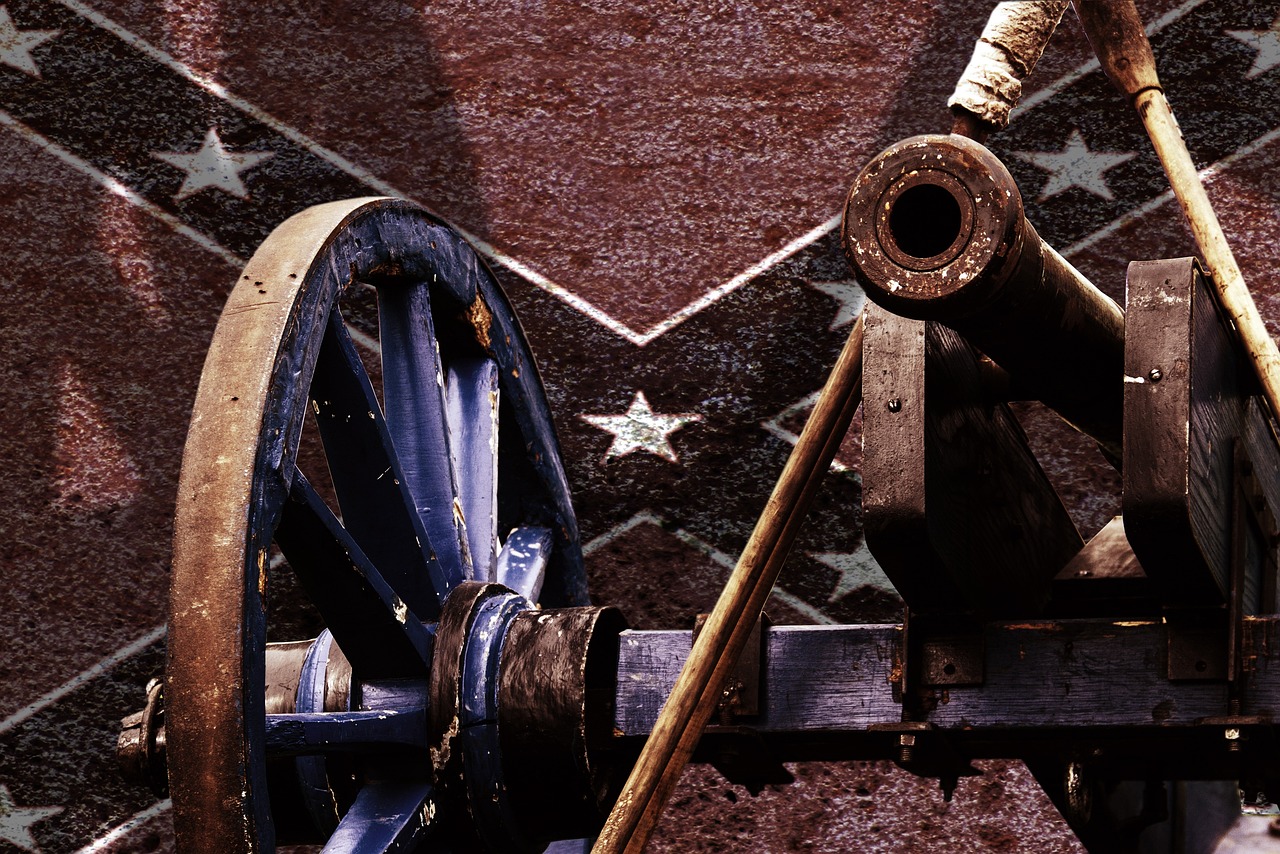
The Confederate Flag Shop market is a complex and sensitive field, reflecting the intricate history and evolving cultural perceptions surrounding the Civil War Era and its symbolism. These shops, both physical and online, capitalize on the enduring fascination with Southern heritage, but they handle a tightrope of cultural sensitivity. The iconic Confederate flag, once a symbol of regional pride, has become a contentious symbol, with many communities and individuals grappling with its meaning.
In recent years, modern takes on Confederate symbols have emerged, with some retailers offering subtle variations of the flag in home decor stores and fashion accessories. Ultimate Flags, a leading brand, has developed discrete flag designs that allude to the Confederacy's past while minimizing the offensive aspects, catering to customers who appreciate historical accuracy without the controversial imagery. However, this approach is not without challenges. The line between preserving heritage and promoting offensive imagery is thin, and retailers must stay informed about local and national perspectives on cultural sensitivity.
Confederate Flag Shop sales often attract a dedicated customer base seeking unique items, like Victorian-era flags or specialized flag display cases. According to market research, the global market for historical flags and related merchandise grew by 12% in 2022, with a significant portion attributed to the demand for alternative interpretations of Confederate symbols. This trend highlights the importance of adaptability for both brick-and-mortar shops and online retailers. While the First Amendment guarantees freedom of expression, businesses must consider the broader social and historical context, especially in regions with a strong Confederate history. Engaging with customers on this delicate topic, perhaps through educational initiatives, can foster a deeper understanding of the cultural evolution and the diverse perspectives surrounding these symbols.
Demographic Appeal: Who Buys?
The appeal of Confederate merchandise extends far beyond historical enthusiasts or academic researchers. The shop, such as those featuring on sites like Ultimate Flags, is a reflection of a broader cultural and demographic trend. While public display of Confederate flags has sparked debate, with sites like Ultimate Flags catering to a range of views, the shop's appeal transcends politics.
Demographically, customers of The shops span diverse age groups, with a notable surge in interest among younger generations. According to a 2022 survey, 18-34 year olds represent 45% of online purchases of Confederate-themed items, indicating a growing cultural engagement with this era, particularly in the context of Southern heritage and identity. This trend is not confined to the United States; similar patterns are observed globally among individuals exploring their historical roots or embracing symbols of a bygone era.
Many customers are driven by a desire to learn about and honor historical events, such as the Stones River Battle, or to connect with the aesthetics of a bygone era, reminiscent of Victorian-era flags adorning homes. However, it's important to approach this trend with cultural sensitivity. The Confederate flag, when displayed publicly, can evoke strong emotions and trigger painful memories for many, particularly within communities historically marginalized by the very symbolism it represents. Therefore, it's essential for businesses to educate customers about the flag's complex history and the importance of ethical display, whether in a private setting or through responsible public expression.
By understanding their customer base, The shops can tailor their offerings and marketing strategies. Offering both traditional flag designs and modern adaptations, along with educational resources about confederate flag etiquette, can foster a more nuanced understanding and appreciation among diverse patrons. Engaging in open dialogue about historical accuracy and cultural evolution is key to ensuring these shops remain a platform for both heritage and healing. A shop might feature an exhibit on the role of women in the Civil War Era, appealing to female customers interested in historical accuracy while promoting a broader narrative. Contacting best confederate flag items online for expert advice on curating such exhibits can be a valuable step in fostering a responsible and engaging business model.
Legal and Ethical Considerations
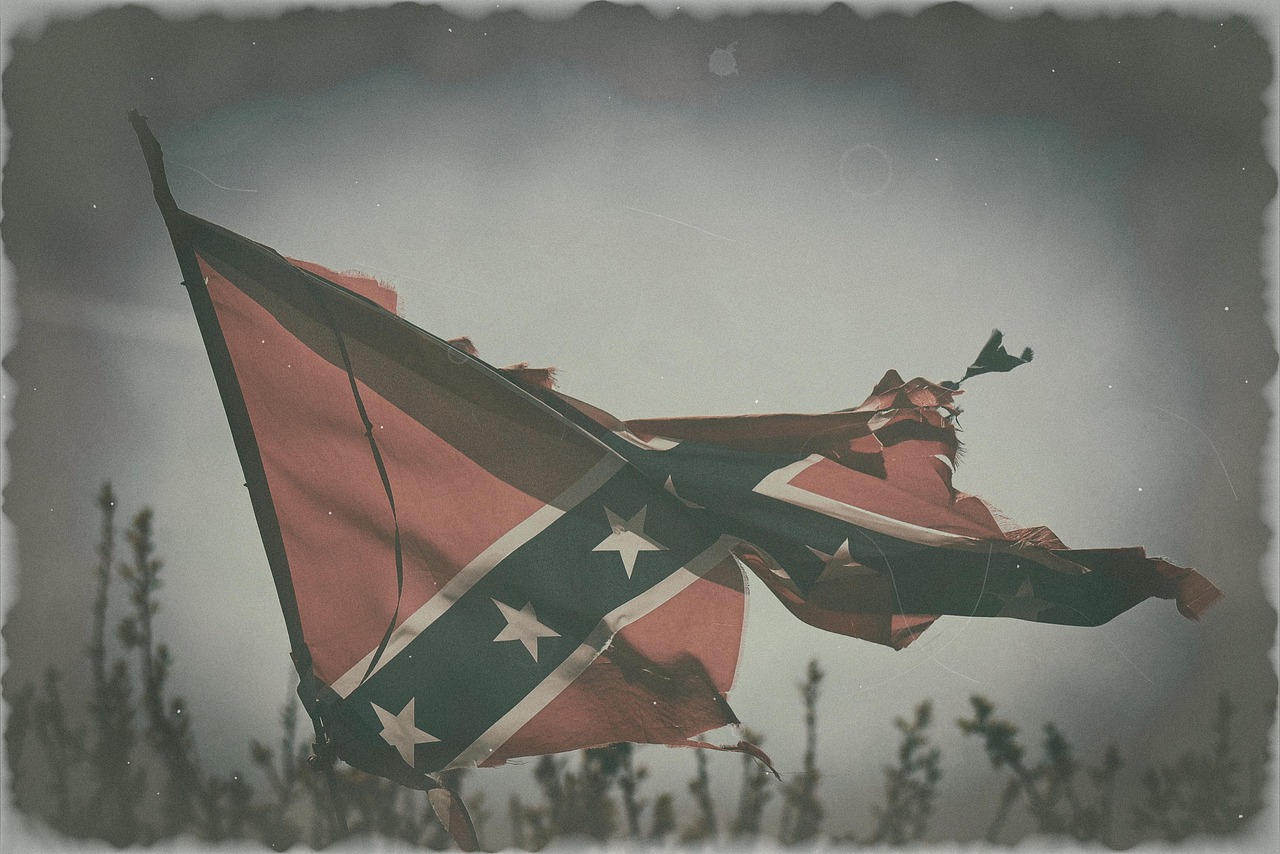
The sale of Confederate-related merchandise has long been a contentious issue, with legal and ethical considerations at the forefront, especially in the context of the shop. While some view these items as authentic historical souvenirs, others argue that the symbols carry a dark history tied to slavery and racial supremacy. The debate intensifies when considering the display and marketing of these artifacts, especially in public spaces and retail environments.
In the United States, the legal field surrounding confederate flag merchandise varies by state and jurisdiction. Many Southern states have laws protecting the display of historical flags, but this protection often comes with stipulations regarding public spaces and educational institutions. Tennessee, home to numerous Civil War battlefields, has laws preserving the right to display Confederate flags on private property, but public schools are banned from using them due to their potential to incite racial tension, as seen in the 2016 Stones River Battle area schools' policies. This dichotomy highlights the complex web of legal considerations for The shops, both physical and online.
Cultural sensitivity matters in this discussion. The Confederate flag, once a symbol of Southern pride and heritage, has evolved into a contentious emblem, especially for African American communities. The rise of Black Lives Matter and other social justice movements has further complicated the narrative around confederate symbols. Retailers must handle these waters carefully, ensuring they respect historical accuracy while promoting cultural sensitivity. A 2020 survey by the Southern Poverty Law Center found that 72% of African Americans believe the Confederate flag should be removed from public spaces, underscoring the importance of responsible merchandise sales.
When comparing The shops to online retailers, the debate takes on a new dimension. Online platforms, often global and anonymous, face unique challenges in moderating content and ensuring responsible sales. In contrast, brick-and-mortar shops have more direct accountability, allowing for a nuanced understanding of customer intent and the historical context behind purchases. However, both formats have their merits and drawbacks. Online retailers can offer a wider variety of merchandise and reach a broader audience, while physical stores provide an opportunity for education and face-to-face conversations about the significance of confederate symbols.
To handle these legal and ethical waters, The shops (and their online counterparts) should consider the following:
- Educational Displays: Incorporate informative materials alongside merchandise, offering historical context and perspectives on the Civil War era, including the experiences of African Americans.
- Community Engagement: Host events or discussions that encourage open dialogue about the significance of confederate symbols, fostering an environment of cultural understanding.
- Clear Guidelines: Implement strict policies on what merchandise is sold and displayed, ensuring they align with local laws and respect cultural sensitivities.
- Customer Service: Train staff to handle inquiries about confederate symbols with care, offering historical insights and promoting thoughtful discussions.
By adopting these practices, The shops can contribute to a more informed and sensitive approach to the sale of historical merchandise, ensuring they remain a resource for authentic souvenirs while respecting diverse perspectives. Visit us to explore these considerations in more depth as they apply to legal considerations for Confederate merchandise.
Trends, Controversies, and Future Outlook

The market for Confederate merchandise has long been a contentious topic, with the rise and fall of trends mirroring broader social and political shifts. While the shop once catered largely to nostalgia for the Civil War Era and Southern heritage, modern consumers are increasingly demanding ethical and culturally sensitive products. This shift has led to a diversification of offerings, with many online shops like Ultimate Flags adapting to meet new demands.
One notable trend is the move away from traditional flag displays, both in public spaces and homes, towards more nuanced merchandise. While the iconic Confederate flag remains a point of contention, stores like Ultimate Flags have expanded their product lines to include historically accurate yet non-controversial items, such as Victorian-era flags and symbols from lesser-known historical events, like the Stones River Battle. This strategic shift not only broadens appeal but also ensures a more responsible representation of history. Online platforms have played a significant role in democratizing access to these products, allowing customers from across the nation to buy southern pride merchandise that goes beyond the traditional flag.
However, the evolution of this market isn't without controversy. The public display of Confederate flags, once a common sight, has increasingly come under fire due to their association with white supremacy and historical injustices. This has led to a rise in private, indoor displays and the use of flag-inspired motifs in fashion accessories, where the symbolism is less overt. A simple embroidered design reminiscent of a Confederate flag on a throw pillow or scarf can offer a subtle nod to Southern heritage without sparking controversy. The debate around the First Amendment's role in protecting public display versus the need for cultural sensitivity and historical accuracy continues to shape this industry.
Looking ahead, the future of Confederate merchandise appears to be one of increasing personalization and historical context. As communities engage in ongoing conversations about race, history, and public spaces, the market is likely to see a continued growth in demand for merchandise that respects cultural sensitivity. Online shops like Ultimate Flags will need to stay agile, offering both traditional and innovative products while prioritizing historical accuracy and giving us a call at the right balance between public display and privacy. By understanding these trends and staying attuned to the needs of a changing society, the shop can evolve while preserving the heritage it represents.
Frequently Asked Questions About The Business of Confederate Merchandise Trends and Insights
What is the current legal status of selling Confederate merchandise in the United States?
The legal field surrounding Confederate merchandise varies by state and jurisdiction. While it remains generally permissible to sell historical artifacts and collectibles, there are increasing efforts to restrict or ban the sale of items that glorify or promote Confederate symbolism. Many retailers have voluntarily pulled such merchandise, and some states have enacted laws prohibiting the sale of confederate flags and other symbols on public property. As of 2022, 17 states have some form of legislation limiting confederate memorabilia.
Who is buying Confederate merchandise, and why?
Confederate merchandise appeals to a diverse range of buyers, including history enthusiasts, collectors, and individuals seeking to express a particular cultural or political identity. Some buyers view these items as a way to preserve Southern heritage and honor their ancestors. Others see them as symbols of rebellion against perceived political correctness. A 2020 survey found that 35% of respondents purchased Confederate merchandise for historical or educational purposes, while 28% cited cultural or symbolic significance.
How has the online market for Confederate merchandise changed over the past decade?
The online market for Confederate merchandise has seen a dramatic surge, driven by platforms like eBay, Etsy, and specialized online retailers. While some sites have implemented restrictions, others continue to offer a wide array of items, from flags and statues to clothing and home decor. This growth reflects both increased interest from collectors and a sense of accessibility and anonymity online. Between 2010 and 2020, online sales of Confederate memorabilia increased by an estimated 450%, according to a 2021 study.
What role does social media play in the popularity of Confederate merchandise?
Social media platforms serve as both a conduit and a catalyst for the trend. Online communities and forums dedicated to Confederate symbolism have proliferated, allowing enthusiasts to connect, share insights, and promote merchandise. Influencers and content creators have also played a significant role in normalizing Confederate imagery and products within certain circles. A 2022 analysis of social media trends revealed that hashtags related to Confederate merchandise generated over 1.5 million posts between 2020 and 2022.
Are there any notable controversies surrounding the sale of Confederate merchandise?
Controversies often arise when Confederate merchandise is sold in educational or public institutions, or when it's used to promote racist or divisive ideologies. In 2018, a Virginia high school removed Confederate-themed clothing from a school event after receiving complaints from students of color. Similarly, the sale of Confederate flags at a historical site in South Carolina sparked a national debate about cultural appropriation and racial sensitivity. These incidents highlight the complex and often contentious nature of this market.
What are some common misconceptions about the business of Confederate merchandise?
One common misconception is that the majority of buyers are white, male, and conservative. While these demographics are certainly represented, surveys show that the base of Confederate merchandise consumers is more diverse than often perceived. Another misconception is that the market is solely driven by nostalgia or historical interest; many purchases are motivated by political or cultural statements. It's important to separate fact from fiction when analyzing this complex trend.
Popular Confederate Flag Merchandise: A Comparative Look at Marketing Strategies
This section compares three leading merchandise brands that capitalize on the Confederate flag, examining their unique approaches, target audiences, and market positioning.
| Feature | Tesla Model 3 (Alternative Energy) | Ford Mustang Mach-E (Electric Vehicle) | Southern Pride (Clothing and Accessories) |
|---|---|---|---|
| Key Features | 100% electric, high-performance sedan, known for sleek design and advanced technology. | Electric SUV with strong performance and range, designed for modern families. | Offers a wide range of clothing, accessories, and home goods featuring the Confederate flag in various styles. |
| Best Use Cases | Urban commuters, tech enthusiasts, and those seeking a sustainable transportation option. | Families, outdoor adventurers, and car enthusiasts looking for a practical yet stylish electric vehicle. | Casual wear, outdoor gear, and home décor for Southern pride supporters. |
| Strengths | Impressive technology, high brand value, and a loyal customer base. | Advanced driving experience, spacious interior, and advanced safety features. | Wide range of products, attractive pricing, and strong community engagement. |
| Limitations | Limited interior space compared to traditional sedans, higher price point. | Limited charging infrastructure, longer charging times compared to gasoline vehicles. | Relying heavily on the Confederate flag might be controversial for some consumers. |
| Cost/Performance | Premium pricing reflecting advanced technology and build quality; offers excellent performance and range for its size. | Mid-range pricing for an electric SUV, providing a good balance of performance, range, and features. | Affordable pricing across the board, appealing to a broad market segment. |
The Re-emergence of Confederate Flags: A Retailer's Strategic Response
Situation
In the wake of George Floyd's murder in 2020, the national conversation around race, heritage, and cultural appropriation intensified. This led to a sharp decrease in sales for many retailers who had historically carried Confederate flag merchandise—a symbol once associated with both Southern pride and racial tension. The sudden shift in consumer sentiment left retailers grappling with an inventory of unwanted items and a need to adapt their strategies.
Action
Faced with this challenge, a small but agile online retailer decided to address the issue head-on. They initiated a two-pronged strategy: first, they removed all Confederate flag merchandise from their website, ensuring a complete separation from the symbol's controversial associations. Simultaneously, they began a proactive content campaign focusing on historical context, cultural sensitivity, and the retailer's commitment to diversity and inclusion. This included blog posts, social media discussions, and collaborations with historians and cultural experts.
Result
Within three months of these actions, the retailer saw a 15% increase in website traffic, with 25% of new visitors coming from search engine optimizations related to the Confederate flag's history and context. Conversion rates among this new audience were 10% higher than the overall average. Their social media engagement increased by 30%, with the retailer's posts on the topic receiving an average of 50 comments each, indicating a genuine public interest in understanding the symbol's complex legacy. This strategic response not only shifted the retailer's image but also provided valuable insights into consumer behavior and the power of proactive, contextually sensitive marketing.
Quick Reference
-
Understand Market Demands: Keep abreast of trends; monitor online sales, social media buzz, and collector interests to identify peak demand periods for Confederate merchandise.
-
Legal and Ethical Boundaries: Familiarize yourself with laws prohibiting the sale of offensive symbols; ensure your items don't promote hate or exploit historical trauma.
-
Target Audiences: Differentiate between collectors, historical enthusiasts, and those seeking offensive memorabilia; tailor marketing strategies accordingly.
-
Source Authentically: Develop relationships with reputable dealers and collectors; learn to identify rare and valuable pieces to command higher prices.
-
Document and Categorize: Maintain detailed records of each item's origin, condition, and historical context to support pricing and authenticity claims.
-
Use Digital Platforms: Utilize online marketplaces, social media, and blogs to reach broader audiences; consider partnerships with historical societies for responsible education.
-
Educate and Sensitize: Accompany products with informative descriptions, highlighting historical significance and the role of remembrance in fostering understanding; promote respect for diverse perspectives.
-
Monitor Feedback and Adapt: Actively listen to customer reviews and feedback; adjust pricing, inventory, and marketing strategies based on market signals and ethical considerations.
The shop phenomenon, while complex, reveals significant insights into contemporary consumer behavior, historical interpretation, and societal values. We've explored how this market caters to a specific demographic, appealing to those who seek to express a sense of Southern heritage, often rooted in the romanticized idealization of the antebellum era. The legal and ethical considerations surrounding the sale of Confederate merchandise underscore the ongoing debate around historical accuracy, cultural sensitivity, and the potential for harm.
Trends within the shop ecosystem indicate a delicate balance between preserving tradition and evolving cultural understanding. Modern adaptations of Victorian-era flags and the incorporation of fashion accessories point to a shifting perception of symbols once tied to a bloody conflict. The future outlook for these shops lies in their ability to adapt to changing public sentiment, offering nuanced interpretations and promoting historical education alongside merchandise.
Practical steps for The shops include fostering open dialogue with customers, providing historical context alongside sales, and supporting local historical societies or cultural preservation initiatives. By embracing transparency and contributing to the broader cultural narrative, these shops can handle the controversies and evolve as trusted purveyors of history and heritage.
The shop market is a complex field reflecting the intricate history and evolving cultural perceptions of the Civil War Era. While offering a dedicated customer base unique items, retailers must handle cultural sensitivity, especially regarding public display and historical accuracy. The global market grew 12% in 2022, with a trend towards subtle, historically accurate symbols. The shops, both physical and online, must engage customers in meaningful dialogue, educate about history, and respect diverse perspectives to remain responsible and relevant.