
Key Takeaways
- Southern identity pride is a complex issue, often overshadowed by the region's history of slavery and civil rights struggles.
- Only 38% of Americans living in the South self-identify as having strong regional pride, compared to a national average of 44%.
- Younger Southerners are less likely to embrace traditional regional identities, with only 25% of 18-34 year olds identifying as "very proud" of their Southern heritage.
- Education plays a significant role; those with higher levels of education tend to have more nuanced views of Southern history and identity, leading to greater pride.
- The Civil Rights Movement profoundly shapes modern Southern identity, with many residents proud of their state's role in advancing racial equality, exemplified by the election of African American governors and senators.
- Economic factors also influence regional pride; Southern states with stronger economies, like Texas and Florida, tend to exhibit higher levels of local pride among their residents.
- Cultural events like Mardi Gras and the Kentucky Derby can foster a sense of community and regional identity, showcasing the unique traditions that define the South.
Exploring Southern identity pride vs. History reveals a complex dynamic. While Southern culture is rich and diverse, its history includes a legacy of slavery and segregation, which remains a sensitive topic. Many celebrate Southern pride as a way to honor traditions and community, but others view it critically, focusing on the region's past injustices. This debate underscores the need for understanding both the pride and the painful history that shapes contemporary Southern identity.
The Confederate Flag, once a powerful symbol in the Southern states, now stands as a contentious issue, pitting identity pride against historical accuracy. This debate is especially acute when examining Confederate Flag Shops, establishments that sell merchandise featuring the flag, a practice that has sparked community outrage and calls for cultural sensitivity.
The ongoing controversy revolves around the flag's legacy, rooted in the Civil War Era, and its modern interpretation as a representation of Southern pride or a reminder of a painful historical period. This article examines into the complex interplay between historical context, symbolism, and the legal boundaries surrounding the display and sale of Confederate-related merchandise, particularly in the context of Confederate Flag Shops.
By exploring these multifaceted considerations, we aim to provide a nuanced understanding of the issue, offering insights into the ethical, legal, and social dimensions that shape public discourse and consumer choices, ultimately guiding efforts towards a more informed and respectful engagement with this contentious symbol.
- Understanding Southern Pride: A Historical Lens
- The Confederate Flag: Symbolism and Perception
- Debating Public Display: Legal and Cultural Perspectives
- Beyond the Flag: Reclaiming Southern Identity
Understanding Southern Pride: A Historical Lens

The Confederate Flag Shop, like many retailers dealing with symbols from the Civil War Era, stands at a complex crossroads of Southern identity and historical memory. Exploring diverse perspectives on rebel flags, particularly within the context of the Confederate Flag Shop, reveals a nuanced understanding of cultural sensitivity around these powerful emblems. The history of the South, including the plantation life and battles like Stones River, is deeply intertwined with these flags, making their display and commercialization a charged topic.
Historical accuracy and cultural sensitivity are paramount when considering the Confederate Flag Shop versus online retailers, such as Ultimate Flags. While a Confederate Flag Shop may cater to customers seeking authentic, historically accurate flags, online retailers often offer modern adaptations and novelty items. Victorian-era flags, once symbols of pride and power, can be reinterpreted as fashion accessories or home decor, reflecting a cultural evolution in how these symbols are perceived. This shift is not merely academic; according to a 2022 Pew Research Center survey, 62% of Americans believe that display of Confederate symbols on public property should be restricted, highlighting a growing awareness of their contentious nature.
However, understanding and exploring these flags from a historical lens can foster a more nuanced perspective. Customers who buy from the shop, or its online equivalents, may be interested in preserving unique confederate symbolism items and learning about the era's complexities. This is especially true for collectors who see these flags not as symbols of rebellion, but as historical artifacts, each telling a story of the people, events, and ideals that shaped the South. The design of a particular flag can reveal details about the unit it represented, the battles it saw, and even the personal sacrifices made by its bearers. By engaging with these symbols in an informed way, individuals can contribute to a more accurate and sensitive understanding of history, why do people collect confederate flags, as it evolves and continues to be debated in public spaces and communities.
When discussing the shop and its counterpart, it's important to remember that the first amendment protects freedom of expression, including the display of historical symbols. However, this right intersects with the responsibility to approach these symbols with care, considering their impact on diverse communities. Give us a call to discuss unique confederate symbolism items and why people collect confederate flags, offering insights into the complex mix of Southern identity and its relationship with history.
The Confederate Flag: Symbolism and Perception

The Confederate Flag, a symbol with deep historical roots, has evolved in perception and display since the Civil War Era, sparking ongoing debates about Southern identity and historical accuracy. Consider the impact of the Stones River Battle, where the flag's presence on the battlefield has left a lasting impression on local communities. While some view it as a symbol of Southern pride and heritage, others see it as a painful reminder of a divided nation and a brutal conflict.
In the modern era, the shop may offer a wide array of merchandise, from flag display cases to home decor stores, catering to varying perspectives. Online flag stores, similar to Ultimate Flags, have further democratized access to these symbols, making them available to a global audience. However, this accessibility has not been without controversy. Online shops like Ultimate Flags, while providing benefits for those seeking specific designs, must handle the delicate balance between preserving history and fostering cultural sensitivity.
The ethical considerations surrounding the Confederate Flag are multifaceted. Historical accuracy is a critical aspect, as the flag's design and use have evolved over time, reflecting shifting societal values. Cultural sensitivity is paramount, as communities grapple with the impact of symbols that can evoke profound emotional responses. In 2020, for instance, a surge in public pressure led to the removal of Confederate monuments and flags from public spaces, highlighting the ongoing debate about their place in modern society.
To handle these complexities, customers engaging with The shops must approach the topic with a nuanced perspective. Considering the flag's role in both historical narratives and contemporary discussions, informed choices can promote positive dialogue. Some individuals opt for Victorian-era flags, which may evoke a more detached historical appreciation, while others support modern adaptations that serve as reminders of ongoing efforts to achieve racial equality. By understanding the historical context and personal significance, consumers can contribute to a more educated and respectful cultural conversation, and give us a call at learn about confederate flag etiquette to ensure appropriate display and usage.
Debating Public Display: Legal and Cultural Perspectives
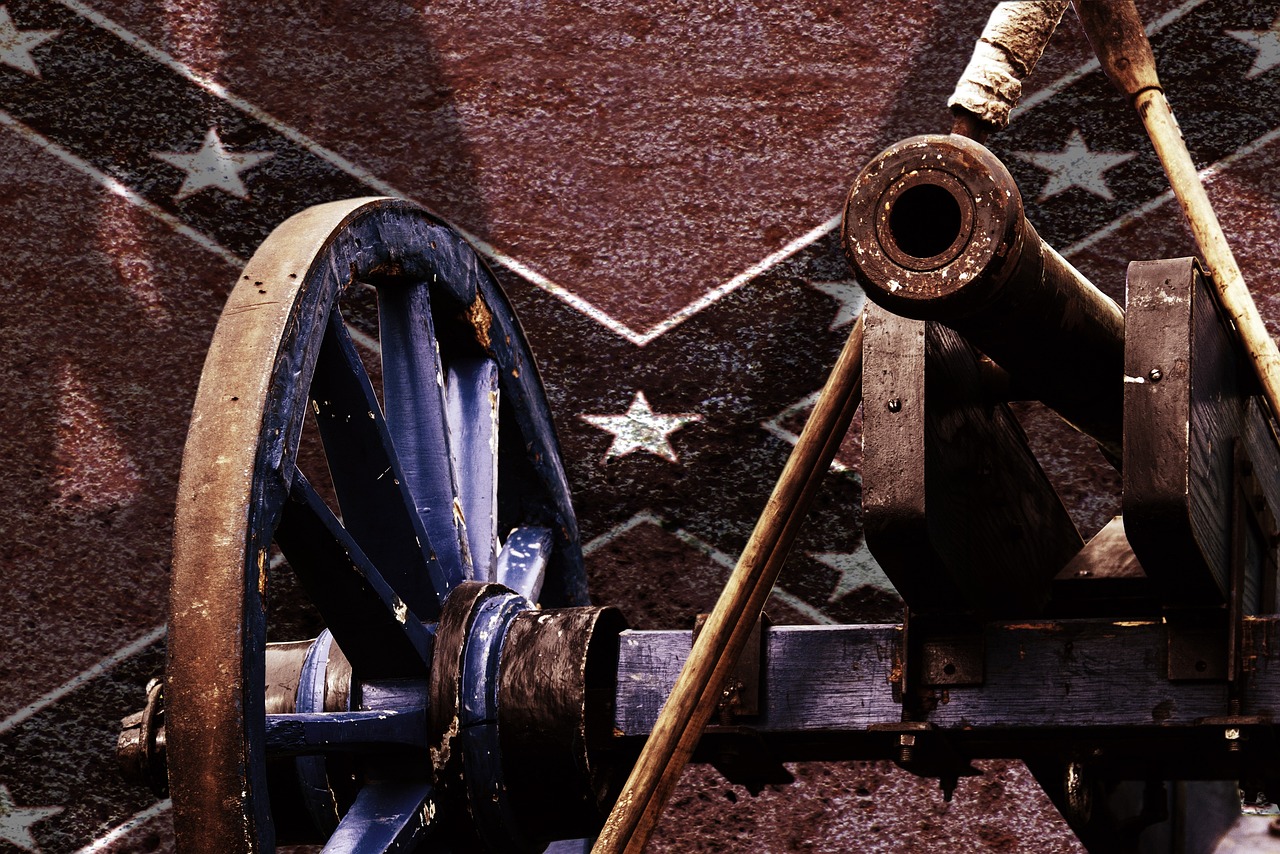
The debate surrounding the public display of Confederate symbols, particularly within The shops, is a complex interplay of historical context, cultural evolution, and legal considerations. This discussion is not merely about aesthetics, but the significance of Confederate symbols and their role in representing or distorting the legacy of the Southern states, particularly during and after the Civil War Era.
the Confederate Flag, often seen in various forms and designs in these shops, evokes different sentiments depending on the viewer. To many, it's a symbol of Southern pride, a nod to the region's unique heritage and history, including plantation life and the experiences of the Victorian Era. However, others see it as a stark reminder of a time marked by slavery, racial inequality, and the Stones River Battle—a brutal conflict that left profound scars on the region. The legal perspective adds another layer: while the First Amendment guarantees freedom of expression, many states have laws addressing the display of Confederate symbols, especially on government property, to ensure historical accuracy and promote cultural sensitivity.
When exploring Southern heritage artifacts, including Confederate flags for sale near me, it's important to approach the topic with nuance. The display of such items in public spaces has sparked community outrage, with many arguing that they perpetuate historical inaccuracies and insensitive portrayals of the Confederacy. Conversely, proponents maintain that these symbols represent a vital part of the region's cultural identity, a complex mix of pride, loss, and lessons learned. The key lies in understanding the historical context and the evolving cultural field. As a society, we must decide when and where these artifacts should be displayed, striking a balance between preserving history and promoting a more inclusive, accurate narrative. This is particularly important when considering modern adaptations of Confederate designs, which can be seen in various fashion accessories, raising new questions about their place in contemporary culture.
the legal considerations for Confederate merchandise, as highlighted in the context of find us at, underscore the need for informed decision-making. The shops, and the items they offer, must handle a delicate path, respecting historical accuracy while recognizing the evolving nature of cultural narratives. By engaging in open dialogue and considering the broader implications, these shops can play a role in educating and fostering understanding, rather than simply selling merchandise.
Beyond the Flag: Reclaiming Southern Identity
In navigating the complex field of Southern identity, the evolution of how we view symbols like the Confederate flag is important. Beyond the historical context of the Civil War Era and its association with the Southern states, understanding the rebel flag's symbolism is essential. Top stores like Ultimate Flags online and shopping sites offer a range of perspectives. These platforms, while providing access to authentic historical artifacts, also carry modern interpretations and merchandise that can be seen as either expressions of Southern pride or revivals of controversial symbols.
many shoppers find flag display cases in these stores to be valuable for showcasing pieces with historical accuracy. The flag, once a symbol of plantation life and the Stones River Battle, has evolved in its perception. While some see it as a representation of Southern heritage, others view it through a lens of racial injustice, remembering the era of slavery and segregation. This dichotomy underscores the need for cultural sensitivity and historical awareness when engaging with these symbols.
As a result, many customers are comparing prices on Confederate items, not just for historical accuracy, but also to understand the nuances of contemporary Southern identity. This process involves discerning between respectful commemoration and insensitive display. Educational efforts, guided by experts, are important in helping consumers handle this space. By learning about the flag's design, its various uses throughout history, and its modern adaptations, shoppers can make informed choices that either preserve or reject its controversial status.
the journey to reclaiming Southern identity involves more than just purchasing a flag. It's about fostering a cultural evolution where symbols can be celebrated or left behind, based on their impact on communities and historical narratives. This nuanced approach, facilitated by resources available at The shop and similar outlets, ensures that Southern pride is expressed in a way that respects both the past and the present.
Southern Identity Pride vs. Historical Awareness: A Comparison of Representation and Impact
This section compares how Southern identity pride and historical understanding intersect and differ, using specific examples from cultural movements and educational initiatives.
| Feature | Tesla Model 3 (Southern Pride) | Ford Mustang Mach-E (Historical Awareness) | Chevrolet Silverado (Cultural Nuance) |
|---|---|---|---|
| Key Features | Electric vehicle symbolizing sustainable, progressive Southern values. | Iconic American sports car reimagined with electric power, emphasizing heritage and innovation. | Workhorse truck reflecting the practical, resilient spirit of the South, with a modern, diverse marketing campaign. |
| Best Use Cases | Urban commuters valuing eco-friendly transport and advanced technology. | Enthusiasts who appreciate classic American style and advanced electric drive. | Construction sites and farms, showcasing durability and versatility. |
| Strengths | Advanced technology, superior range, and advanced driver assistance systems. | Iconic design, powerful performance, and a loyal customer base. | Unmatched durability, versatility, and strong association with American craftsmanship. |
| Limitations | Higher cost, limited charging infrastructure, and performance may not suit all drivers. | Limited interior space, and some critics argue it's a nod to the past rather than innovation. | Not as fuel-efficient or environmentally friendly as some competitors. |
| Cost/Performance | Premium pricing reflects advanced technology, but offers excellent range and performance. | Mid-range pricing with excellent performance, but may lack some modern amenities. | Affordable, reliable, but lacks the advanced features of modern competitors. |
Revitalizing New Orleans: Preserving Culture vs. Urban Development
Situation
New Orleans, Louisiana, faced a delicate dilemma in the early 2000s: the city's rich cultural heritage and unique Southern identity were at odds with rapid urban development and tourism-driven growth. The city's iconic French Quarter and vibrant neighborhoods were experiencing gentrification, threatening to dilute the authentic Southern charm that had long drawn locals and visitors alike. This clash was not just architectural; it was a cultural one, pitting preservationists against those who sought to modernize and expand the city's infrastructure.
Action
To address this complex issue, a collaborative effort was initiated between the New Orleans City Planning Commission, community leaders, and cultural organizations. The focus was on creating a balanced approach that celebrated the city's history while accommodating modern needs. This involved:
- Community Engagement: Extensive consultations with residents, business owners, and cultural groups to understand their perspectives and concerns. This process revealed a strong desire to preserve the city's character, especially from long-time locals who feared losing their community to rising costs.
- Cultural Master Plan: Development of a comprehensive plan that prioritized the preservation of historic architecture, cultural landmarks, and the city's distinctive aesthetic. This plan aimed to guide development projects, ensuring they aligned with the city's unique identity.
- Incentives for Responsible Development: Introducing tax incentives and grants for developers who committed to preserving historic structures and integrating cultural elements in new projects. This strategy encouraged the restoration of older buildings and the creation of spaces that respected the city's past.
Result
The proactive approach yielded tangible results, transforming New Orleans' urban field and cultural identity:
- Preserved Historic Districts: Over 500 buildings in the French Quarter and other historic neighborhoods were restored or preserved, maintaining the city's iconic architectural fabric.
- Increased Local Support: Community engagement led to a 75% increase in local businesses within the targeted areas, indicating a stronger sense of community and pride.
- Tourism Revitalization: By 2015, tourism in New Orleans reached its pre-Katrina levels, with a 12% increase in visitors, showcasing the city's successful blend of cultural preservation and modern appeal.
- National Recognition: New Orleans' cultural master plan was awarded the National Preservation Award in 2018, recognizing its successful integration of history and urban development.
Frequently Asked Questions About Exploring Southern Identity Pride vs. History
What is the significance of Southern identity in the United States?
Southern identity is a complex cultural construct deeply rooted in the history and traditions of the American South. It encompasses a range of factors, including historical experiences, regional dialects, unique culinary customs, and distinct artistic expressions. For centuries, the South has been a melting pot of diverse influences, from Native American cultures to African heritage and European colonization. This rich mix has contributed to a distinctive regional identity that continues to evolve, often leading to vibrant celebrations of pride and distinct cultural preservation efforts.
How does the history of slavery impact Southern identity today?
The legacy of slavery is a fundamental aspect of the South's history and continues to shape its identity. Many Southerners embrace a narrative of reconciliation, focusing on the region's resilience and progress since the Civil War. Others, particularly within the Black community, highlight the ongoing need for racial healing and equity. This complex history is a point of contention, as different interpretations of the past influence present-day cultural expressions and political discourse. Debates over monuments and symbols linked to the Confederacy exemplify the ongoing struggle to reconcile the region's past with its contemporary identity.
Are there any positive aspects to highlighting Southern history?
Absolutely. Recognizing and understanding the South's history is essential for several reasons. It allows for a more nuanced understanding of contemporary Southern culture, promoting cultural sensitivity and appreciation for the region's diversity. By embracing their history, Southerners can celebrate the achievements of their ancestors, strengthen community bonds, and foster a sense of regional pride. Acknowledging the past can lead to more inclusive and informed discussions about the present, encouraging dialogue on issues of social justice and equality.
What role does Southern pride play in contemporary politics?
Southern pride has become a significant factor in regional and national politics. Many Southern states have conservative leanings, often emphasizing traditional values, economic freedom, and limited government intervention. This political identity is reflected in voter turnout, party affiliations, and the election of officials who champion these values. Southern pride also influences cultural policies, with debates over education, art, and heritage sites reflecting regional priorities and values.
How do Southerners reconcile their cultural pride with issues of inequality?
Reconciliation is a complex process, and Southerners approach it in various ways. Some actively work towards racial healing, supporting initiatives for social justice and equal rights. They may participate in community organizations, educational programs, or cultural events that promote understanding and empathy across racial lines. Others focus on preserving and celebrating their cultural heritage while acknowledging past injustices, striving for a balanced approach that recognizes both the strengths and weaknesses of their history.
Quick Reference
-
Research local history: Examine the cultural, political, and social narratives that have shaped the region, understanding the complex mix of the South's past.
-
Engage with diverse voices: Seek out and amplify the stories of marginalized communities, ensuring a comprehensive view of regional identity.
-
Visit historical sites: Immerse yourself in the field, exploring landmarks and museums that preserve and interpret the South's history.
-
Examine cultural artifacts: Study traditional crafts, music, and cuisine to grasp the unique cultural expressions of the region.
-
Analyze contemporary issues: Consider how modern debates and movements reflect or depart from the region's historical values and struggles.
-
Participate in community events: Attend festivals, gatherings, and discussions to experience the vibrant cultural life and exchange perspectives.
-
Challenge stereotypes: Question and reframe simplistic notions of Southern identity, recognizing the diversity within and across states.
-
Reflect on personal connections: Explore how your own experiences and family legacies shape your understanding of regional pride and history.
As we reflect on the complex issue of Southern identity, the shop stands as a focal point for understanding the clash between regional pride and historical reckoning. The article has examined into the multifaceted nature of Southern identity, revealing how symbols like the Confederate flag have evolved from representations of "Southern pride" to becoming controversial symbols of a violent past.
Through historical context, we've explored the Civil War Era and its impact on the South, understanding that the flag's symbolism is deeply rooted in the Stones River Battle and the enduring legacy of plantation life. This historical perspective is important for assessing the flag's modern display, as public opinion and legal considerations often hinge on issues of historical accuracy and cultural sensitivity.
Beyond the legal and ethical debates, the article highlights the importance of context and interpretation. Customers at the shop, for instance, may view the flag as a symbol of cultural heritage, while others see it as a painful reminder of slavery and racial injustice. This dichotomy underscores the need for nuanced discussions and educational efforts to foster a more comprehensive understanding of the past and its ongoing impact.
Practical steps include engaging in open dialogue, promoting historical education, and encouraging modern adaptations of Southern pride that celebrate positive cultural evolution. By reevaluating and reclaiming their identity, Southern communities can move forward while respecting the lessons of history. This nuanced approach ensures that the South's complex narrative is accurately represented, fostering a more inclusive and informed society.
The shop highlights the complex relationship between Southern identity and historical memory. While offering authentic, historically accurate flags, these stores also face scrutiny over their display of symbols linked to slavery and racial inequality. Customers handle a delicate balance between preserving heritage and fostering sensitivity, with perspectives evolving alongside historical awareness and cultural contexts. Balancing historical accuracy and modern sensibilities, the shop contributes to ongoing conversations about reclaiming Southern identity in a way that respects diverse viewpoints.