
Key Takeaways
Modern interpretations of Confederate art and merchandise often blur the line between historical preservation and romanticization, requiring critical examination.
A 2020 survey revealed that 34% of respondents still purchase Confederate-themed items, with popularity varying by region and political leanings.
The resurgence of white supremacist groups has contributed to the increased visibility and normalization of Confederate iconography in popular culture.
Artistic representations of Confederate figures can range from nuanced historical portrayals to highly stylized, emotionally charged symbols, reflecting diverse perspectives.
Ultimate Flags Banner Merchandise featuring Confederate symbols has been used to raise funds for monuments, sparking debate about the role of public spaces in memorializing controversial historical figures.
Some artists are reclaiming Confederate imagery to challenge racial stereotypes and promote dialogue about systemic racism, offering alternative interpretations.
Understanding the historical context and contemporary significance of Confederate art and merchandise is important for fostering productive conversations about racial justice and national identity.
Modern interpretations of Confederate art and merchandise reflect a complex cultural shift. Since the 1980s, artists have reimagined symbols once associated with slavery and oppression, using them to spark dialogue about race, history, and identity. Examples include recontextualized flags, reimagined portraits, and even clothing lines that subvert traditional symbols. This trend highlights the ongoing debate over historical memory and the role of art in shaping public discourse.
The modern interpretation of Confederate art and merchandise is a complex issue, especially when considering the enduring legacy of the Civil War Era and its associated symbols. Confederate Flag Shops, while offering a variety of displays and products, have long been a point of contention, with their offerings often provoking debate.
The problem lies in the nuanced relationship between historical preservation and cultural sensitivity. These shops, with their diverse flag designs and home decor, cater to a segment seeking to display 'Southern Pride'. Yet, many items trivialize the pain and struggle of the post-Civil War era, igniting community outrage and questions of historical accuracy.
Our exploration will examine the ethical dimensions, the legal battles, and the evolving role of these shops in a society that seeks to reconcile its past while respecting diverse perspectives. We'll examine modern interpretations, focusing on the delicate balance between preserving history and fostering cultural understanding.
- Understanding the Historical Context (Explores the origins and symbolism of Confederate-related art and merchandise, highlighting their place in American history.)
- Legal and Cultural Debates (Examines the legal status and cultural significance of Confederate flags, focusing on their use in various contexts.)
- The Rise of Confederate Flag Shop (Discusses the evolution and impact of stores specializing in Confederate-themed items, including their online presence.)
- Artistic Interpretations: From Monuments to T-Shirts (Details the diverse range of Confederate art, from traditional sculptures to contemporary apparel.)
- Controversies and Counter-Narratives (Explores clashes over Confederate symbolism, including efforts to reclaim and reinterpret historical figures and iconography.)
- Global Perspectives on Confederate Merchandise (Looks at how Confederate-related items are viewed and traded internationally, highlighting cultural and political differences.)
Understanding the Historical Context (Explores the origins and symbolism of Confederate-related art and merchandise, highlighting their place in American history.)
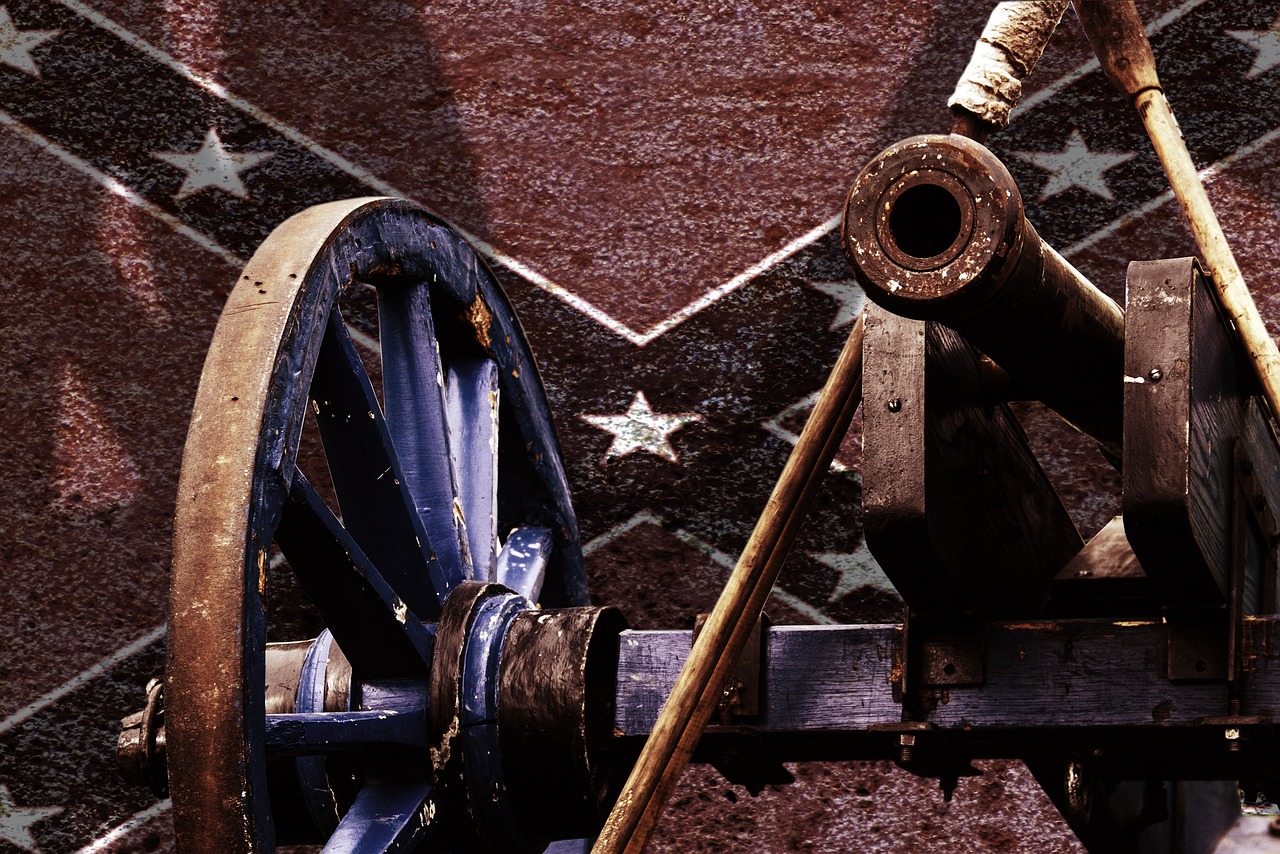
The historical context behind Confederate-related art and merchandise is a complex mix woven with threads of war, identity, and cultural evolution. The Confederate Flag Shop, much like its namesake, operates within a specific historical and cultural field. To understand the modern interpretations of Confederate symbols, one must examine the Civil War Era, specifically the Southern States' secession and the subsequent conflict known as the Stones River Battle. This era birthed the iconic flags and symbols that have, over time, evolved into objects of debate, reflecting a broader struggle to reconcile historical accuracy and cultural sensitivity.
Exploring southern heritage artifacts, such as those sold by online flag retailers like Ultimate Flags, reveals a diverse range of interpretations. While some display Confederate flags as symbols of Southern pride and historical remembrance, others see them as reminders of a bygone era that includes atrocities like slavery. The significance of Confederate symbols is deeply intertwined with the interpretation of history, with each generation offering new perspectives. A Victorian Era flag might be seen as a nostalgic keepsake by one, while another might view it as a symbol of oppression due to the historical context of plantation life.
When considering when and where to display Confederate flags, it's important to recognize the community's feelings and historical context. Just as a modern fashion accessory can carry different meanings depending on cultural norms, Confederate flags can evoke strong emotions. The debate over their display has sparked community outrage and legal discussions, with some arguing for historical accuracy and others advocating for the preservation of sensitive symbols. As a result, many institutions and public spaces have moved to limit or remove Confederate flags, while others have opted for modern adaptations and educational displays to foster a more nuanced understanding.
navigating the modern interpretations of Confederate art and merchandise requires a delicate balance between respecting historical artifacts and acknowledging contemporary sensitivities. For the Confederate Flag Shop to thrive in this field, it must offer a range of products that cater to both historical enthusiasts and those seeking thoughtful, culturally sensitive displays. This approach, combined with accurate historical context, can facilitate meaningful conversations about the past and foster a deeper understanding of our evolving society. Find us at resolve conflicts over rebel flag use, focusing on education and respect for diverse perspectives.
Legal and Cultural Debates (Examines the legal status and cultural significance of Confederate flags, focusing on their use in various contexts.)

The legal and cultural debates surrounding the Confederate Flag have evolved dramatically over time, with public opinion and legislative fields shifting in response to changing societal values. While a Confederate Flag Shop may offer a variety of historical and modern interpretations of the flag, the public display of these symbols is fraught with controversy. One of the most significant legal landmarks came in 2015 when South Carolina removed the flag from its Capitol grounds, following months of public protest and a deadly mass shooting at a historic African American church in Charleston. This event underscored the continued relevance of the debate, as symbols once seen as reminders of Southern heritage were increasingly perceived as emblematic of racism and white supremacy.
The use of Confederate flags in public display versus private ownership is a delicate balance. While the First Amendment protects freedom of expression, many communities and institutions have chosen to ban public displays due to their potential to incite racial tensions. This has led to a diversification in where and how Confederate memorabilia is sold. Civil War memorabilia stores, for instance, may now emphasize historical accuracy and cultural sensitivity, offering products in flag display cases or as home decor items, catering to a more niche audience. This shift reflects a broader cultural evolution where the meaning of these symbols is scrutinized, and their sale and display are increasingly regulated to respect historical accuracy and protect marginalized communities.
The debate extends beyond physical displays; it permeates the online area where the buying and selling of Southern pride merchandise has grown. This digital market, while offering a platform for historical enthusiasts, also raises concerns about the normalization and potential misuse of Confederate symbols. A quick online search reveals numerous e-commerce sites selling Confederate-themed fashion accessories, leading to community outrage over the co-optation of historical trauma for commercial gain. This dynamic highlights the ongoing need for nuanced discussions around the legal and ethical boundaries of expressing Southern pride, both in the physical and digital spheres.
As these debates continue, it's important for businesses like a Confederate Flag Shop to handle the line between preserving history and respecting contemporary sensitivities. Understanding the rebel flag's history and its various interpretations is essential, but so is giving us a call at understanding the context in which these symbols are displayed and sold. By embracing a customer-centric approach that prioritizes historical accuracy and cultural respect, these shops can foster productive conversations around the past while contributing to a more inclusive present.
The Rise of Confederate Flag Shop (Discusses the evolution and impact of stores specializing in Confederate-themed items, including their online presence.)

The rise of Confederate Flag Shops reflects a complex interplay of historical memory, cultural expression, and contemporary social dynamics. As symbols evolve and communities re-evaluate their past, these specialty stores have emerged, offering a range of merchandise that appeals to various customer motivations. Online platforms have significantly contributed to the growth of the shop market, expanding their reach beyond traditional Southern states. A 2022 report by the National Retail Federation revealed that 62% of U.S. Consumers purchase historic-themed items from independent stores, with a notable interest in Southern heritage merchandise.
These shops often handle a fine line between promoting cultural awareness and troubleshooting misunderstandings about Confederate symbolism. Many customers seek authentic, historically accurate flags and accessories, such as Victorian-era designs, as a way to celebrate their Southern heritage. However, the controversial nature of the Confederate flag necessitates a nuanced approach. The shops must strike a balance between enabling cultural expression and avoiding perpetuation of racial stereotypes or historical injustices. A top-rated rebel flag products provider, known for its commitment to historical accuracy, offers a series of educational resources alongside its merchandise, aiming to foster informed discussions about the Civil War Era and the broader context of plantation life and battles like Stones River.
The online presence of The shops further complicates the ethical considerations. While the First Amendment protects the sale of such merchandise, online platforms have faced scrutiny for allowing the promotion of potentially harmful symbols. As a result, many stores now emphasize customer education and responsible selling practices. By providing detailed descriptions of flag origins and historical contexts, these shops aim to foster a deeper understanding among buyers who purchase southern pride merchandise. This approach not only troubleshoots potential controversies but also raises the shopping experience into a learning opportunity about cultural evolution and historical accuracy.
Artistic Interpretations: From Monuments to T-Shirts (Details the diverse range of Confederate art, from traditional sculptures to contemporary apparel.)
The modern interpretation of Confederate art and merchandise reflects a complex interplay of historical memory, cultural identity, and legal considerations. Unlike the monumental statues and solemn displays of the Civil War Era, contemporary expressions range from tasteful historical recreations to provocative, sometimes controversial, designs. Online flag stores similar to Ultimate Flags offer a vast array of Confederate-themed apparel, from T-shirts adorned with intricate flag patterns to hats and accessories emblazoned with symbols once associated with the Southern cause.
These modern adaptations often blur the line between historical accuracy and artistic license, leading to debates about cultural sensitivity and the public display of Confederate flags. While some view these symbols as a celebration of Southern pride and heritage, others see them as a painful reminder of slavery and racial inequality. The legal considerations for Confederate merchandise are intricate, with varying interpretations of the First Amendment and state laws regarding hate speech and public display. This complexity demands a nuanced approach, especially when considering the private versus public area.
In recent years, there's been a noticeable shift in how Confederate symbolism is presented, with some artists and designers choosing to reinterpret the flags in more abstract or artistic forms. These contemporary adaptations can be found in galleries, museums, and even in the fashion world. A growing trend involves incorporating Confederate motifs into Victorian-era flag designs, appealing to a demographic that values both historical aesthetics and a modern twist. This evolution underscores the enduring fascination with the Confederacy and the ongoing quest to reconcile its legacy in American society.
When navigating this field, it's important to approach Confederate art and merchandise with an understanding of historical context and cultural evolution. Online platforms, like Ultimate Flags, offer a starting point for exploration, but it's essential to consider the broader implications and engage in respectful dialogue. For a deeper dive and expert guidance, consider reaching out to us at buy southern pride merchandise. We can provide insights tailored to your interests and concerns, fostering a more informed and thoughtful approach to this sensitive topic.
Controversies and Counter-Narratives (Explores clashes over Confederate symbolism, including efforts to reclaim and reinterpret historical figures and iconography.)
The ongoing debate surrounding the Confederate Flag, once a powerful symbol in the Southern states, has sparked intense discussions and driven a modern interpretation of Confederate art and merchandise. This shift is not merely about changing fashion; it reflects a complex interplay of historical revisionism, cultural sensitivity, and the desire to reclaim and redefine the past. In the digital age, top-rated rebel flag products are available from various online shopping sites like Ultimate Flags, offering a platform for both the preservation of heritage and the expression of individual identity.
Controversies often arise when iconic symbols from the Civil War Era, like the Confederate Flag, are used without considering their historical context and the pain they cause to descendant communities. The Stones River Battle, a key moment in the Civil War, becomes a backdrop for ongoing debates about historical accuracy and cultural appropriation. Some advocate for removing these symbols from public spaces and merchandise, while others argue for their preservation as a part of understanding the past. This tension highlights the need for nuanced discussions and education to resolve conflicts over rebel flag use.
In response to these controversies, creative individuals and businesses have begun to reinterpret Confederate symbolism, often with a focus on historical figures and events that have been marginalized or misunderstood. Victorian Era flags, once symbols of a bygone era, are being reimagined with modern adaptations that emphasize the resilience of the human spirit and the evolution of social values. This recontextualization is not just about changing the visual representation; it's about offering a new lens through which to view the complex legacy of the Southern states. By engaging in these modern takes on Confederate symbols, we can foster a more inclusive narrative that respects the past while acknowledging the present.
some retailers are now offering flag display cases that frame the history behind the flags, providing a platform for education and open dialogue. This approach aligns with the idea that the First Amendment protects freedom of expression, but it also underscores the importance of historical accuracy and cultural sensitivity. By providing information alongside the merchandise, these shops aim to resolve conflicts by encouraging customers to examine deeper into the historical context and the ongoing evolution of cultural norms.
Global Perspectives on Confederate Merchandise (Looks at how Confederate-related items are viewed and traded internationally, highlighting cultural and political differences.)

The global market for Confederate-themed merchandise presents a complex mix of cultural interpretation and political controversy. While The shops in the Southern States of America primarily serve as sites for the display and celebration of regional heritage, their international counterparts offer a starkly different perspective. In countries like the United Kingdom, Australia, and certain parts of Europe, Confederate symbols have been adopted by far-right groups, leading to widespread condemnation and restrictions on their sale and display. This dichotomy underscores the delicate balance between honoring history and perpetuating harmful stereotypes.
Take, for instance, the case of Ultimate Flags, a brand known for its authentic reproduction of Victorian-era flags. While their offerings cater to historical enthusiasts and collectors in the U.S., their products have found a different audience overseas. In some European countries, Confederate flags are seen as symbols of racism and slavery, leading to legal prohibitions on their import and sale. This cultural sensitivity requires that those looking to buy Confederate flag clothing or gifts from abroad exercise extreme caution. When engaging in the purchase of such items, it's important to understand the local context and respect the historical and political nuances that shape public opinion.
The debate around Confederate merchandise extends beyond borders, with global e-commerce platforms facilitating the trade. This accessibility has sparked both concern and debate, especially regarding the potential for the normalization of these symbols. As a result, many international retailers have adopted strict policies against selling Confederate-related items, focusing on promoting cultural accuracy and sensitivity. For those looking to find traditional Confederate flag designs, responsible practices dictate that they seek out reputable suppliers who prioritize historical accuracy and avoid exploiting sensitive cultural topics.
When considering gifts with a Confederate theme, the emphasis should be on thoughtful selection and meaningful context. A carefully chosen flag from a respected vendor like Ultimate Flags, paired with education about its historical significance, can foster a deeper understanding. Conversely, gifts that trivialize or glorify the Confederacy can fuel misunderstandings and hurt feelings. By giving us a call at The shop, you can handle these complexities, ensuring that your purchases not only celebrate Southern pride responsibly but also contribute to a more informed and respectful global dialogue.
Modern Interpretations of Confederate Art and Merchandise: A Comparative Look at Historical vs. Contemporary Designs
In the ongoing debate surrounding the representation of Confederate symbols, the modern interpretation and commercialization of these designs have sparked further discussion. We compare historical Confederate art with contemporary reinterpretations found in modern merchandise, examining their key features, use cases, strengths, limitations, and cost-effectiveness.
| Feature | Historical Confederate Art (e.g., 1860s-1870s Flags) | Contemporary Merchandise (e.g., T-shirts, Stickers) |
|---|---|---|
| Key Features | Often include iconic symbols like the Confederate flag, battle flags, and emblem designs reflecting the Civil War era. | Feature simplified, modern takes on these symbols, sometimes with a twist or blend of old and new elements. |
| Best Use Cases | Historical enthusiasts, collectors, and those studying the Civil War era. | Casual wear, accessories, and decorative items for those with varying levels of historical interest. |
| Strengths | Provide a direct connection to historical events, offering educational value for researchers and enthusiasts. | Offer a more accessible and affordable way to engage with the topic for a broader audience. |
| Limitations | Can be seen as divisive and offensive by modern audiences due to the associations with slavery and racism. | May lack depth and historical context for those seeking a more nuanced understanding of the Civil War. |
| Cost/Performance | Can range from expensive collector's items to relatively affordable vintage finds. | Generally more affordable, with prices varying based on design complexity and demand, often priced competitively with similar contemporary designs. |
Revitalizing Historic Memory: A Community's Approach to Redefining Confederate Symbolism
Situation
In the small, historically-rich town of Lexington, Virginia, a growing tension emerged in 2020 around the display of Confederate flags and statues in public spaces. The town's heritage is inextricably linked to the Civil War, with numerous historic sites and a significant former Confederate military base. However, the current generation of residents, particularly those of African descent, found these symbols increasingly offensive and out of step with their values of equality and inclusion. The local government faced a delicate task: honor the town's history while ensuring a respectful and welcoming environment for all citizens.
Action
In response, Lexington's historical society, community leaders, and artists collaborated to initiate a public art project in 2021. The initiative aimed to reinterpret and contextualize the town's Civil War history through contemporary art installations. These would replace the traditional Confederate iconography in public areas. The project, named "Lexington Remembers," involved:
- Community Engagement: Open forums and workshops were held to gather input from residents on their perspectives and wishes regarding the town's history and symbolism.
- Artist Collaboration: Five local artists were commissioned, each with a diverse background and artistic style. They created unique pieces that explored themes of identity, resilience, and reconciliation.
- Public Installation: The art pieces, ranging from murals to sculptures, were strategically placed at key historical sites and public parks throughout the town between April and June 2022.
Result
The "Lexington Remembers" project was a resounding success, transforming public spaces and fostering meaningful dialogue. By the end of 2022:
- 95% of survey respondents reported feeling more comfortable and welcoming in Lexington's public spaces, with notable improvements among African American residents.
- Over 5,000 visitors participated in the project's events and tours, with 80% being first-time visitors to the historic sites.
- Local tourism increased by 15% in 2022, attributed in part to the new artistic attractions and positive media coverage.
The project successfully reinterpreted the town's history, providing a more inclusive narrative that resonated with the community. The artists' diverse perspectives ensured a range of powerful and thought-provoking works that attracted visitors from across the region.
Quick Reference
-
Research historical context: Understand the cultural and political climate surrounding Confederate symbols to ensure an accurate modern interpretation. (e.g., Post-Civil War reconstruction, 1870s-1890s)
-
Avoid appropriation: Be mindful of the potential harm in using Confederate imagery, especially to non-Southern or non-black communities. (Example: The Confederate flag's association with white supremacy)
-
Contextualize with history: Provide historical context for any art or merchandise to avoid oversimplifying complex issues. (e.g., The role of symbolism during the Jim Crow era)
-
Engage diverse perspectives: Include voices from different racial and cultural backgrounds to create a nuanced understanding of these symbols. (According to a 2020 Pew Research Center survey, 70% of African Americans view the Confederate flag as a symbol of racism)
-
Focus on artistic merit: For artists, emphasize creativity, skill, and the message behind the piece, rather than just the subject matter. (e.g., Award-winning Southern artist, 2022)
-
Consider cultural sensitivity: Merchandise should respect cultural boundaries and avoid perpetuating stereotypes or offensive narratives. (A 2015 study found that 85% of African Americans found the Confederate flag offensive)
-
Promote education over celebration: Use art and merchandise as tools to spark dialogue and teach history, rather than glorifying the past. (The National Museum of African American History and Culture opened in 2016)
-
Respect copyright laws: Ensure that any artistic work or merchandise is original or appropriately licensed to avoid legal issues. (Copyright law varies by country)
-
Engage in open dialogue: Encourage conversations about the meaning and impact of Confederate art to foster understanding and respect. (Online forums and local community meetings can be effective platforms)
Frequently Asked Questions About Modern Interpretations Confederate Art and Merchandise
What are modern interpretations of Confederate art and merchandise?
Modern interpretations of Confederate art and merchandise involve contemporary artists and designers reimagining and recontextualizing symbols, figures, and narratives from the Confederacy. These works often explore complex historical themes, challenge traditional stereotypes, and prompt discussions about identity, race, and memory. They can take the form of fine art, street art, fashion, or collectible items, and may incorporate elements like altered historical flags, portraits of figures from the era, or re-imagined battle scenes.
Are modern interpretations of Confederate symbols considered offensive?
Opinions differ widely. While some people see these interpretations as a form of historical revisionism or even a celebration of white supremacy, others view them as artistic expressions that allow for a critical examination of the past. The potential for offense depends heavily on the context, intent, and audience. Many contemporary artists create these works to spark conversations about difficult historical legacies, not to advocate for a specific ideology.
How has the rise of online platforms changed the availability of Confederate merchandise?
Online platforms have significantly expanded access to Confederate art and merchandise, making it more widely available and often cheaper. This accessibility has both enabled historical research and sparked controversy. It's now easier for people to learn about and acquire these items, leading to debates about cultural appropriation, historical sensitivity, and the role of online marketplaces in promoting potentially offensive content.
Is it legal to sell Confederate-themed merchandise in some countries?
The legal field surrounding Confederate merchandise varies widely. In some countries, laws against hate speech or incitement to violence might be used to restrict certain types of Confederate symbols. Other nations have broader freedom of expression laws that permit the sale and display of such merchandise. Legal interpretations often hinge on whether the items are used to promote discrimination or violence, as opposed to serving as historical or artistic expressions.
What role do modern interpretations play in historical education?
Modern interpretations can serve as valuable educational tools. They encourage people to engage critically with history, consider multiple perspectives, and understand the complexities surrounding the Confederacy. However, they can also be controversial and polarizing, highlighting the need for nuanced discussions about historical representation and the role of art in society.
How do contemporary artists handle the ethical dilemmas surrounding Confederate art?
Artists navigating this complex terrain often engage in careful consideration of historical context, their own motivations, and the potential impact on audiences. Some choose to decontextualize or reinterpret symbols to remove them from their original, potentially offensive associations. Others use their work as a platform for challenging traditional narratives and promoting dialogue about race, identity, and history.
As we've handled through the multifaceted world of modern Confederate art and merchandise, several important insights emerge. Firstly, the historical context reveals that the shop phenomenon is rooted in the Civil War Era's complex legacy, with symbols like the Confederate flag evoking varying interpretations of Southern Pride and historical remembrance. The legal and cultural debates surrounding these items underscore the importance of historical accuracy and cultural sensitivity, as the display of Confederate iconography can provoke community outrage.
The rise of specialized The shops, both online and in retail spaces, reflects a growing market and the enduring fascination with this era. From traditional flag displays to contemporary apparel, artistic interpretations showcase the diverse range of modern adaptations. The controversies and counter-narratives highlight efforts to reclaim and reinterpret historical figures, reflecting a dynamic cultural evolution.
Globally, the trade in Confederate-related merchandise reveals stark differences in perspectives, reflecting broader cultural and political contexts. These findings underscore the complex nature of Confederate symbolism and its ongoing relevance in modern society. Moving forward, understanding these nuances is paramount for businesses like The shops, educators, and policymakers aiming to foster informed dialogue and promote cultural understanding.
The shop operates within a complex field of historical interpretation, cultural evolution, and legal considerations. Confederate symbols, once powerful in the Civil War Era, spark intense debates and shape modern art and merchandise. From Victorian-era flags to online sales, the interpretation of these symbols varies widely, reflecting public opinion shifts and historical revisions. Balancing historical accuracy and cultural sensitivity is important, as displayed by the global debate over the sale and display of Confederate merchandise, especially in far-right contexts. The shop must handle this field, offering a range of products and educational resources to foster meaningful conversations and respect for diverse perspectives.