
Confederate Heritage: Exploring Historical Significance involves understanding a complex period of American history, particularly the 1861-1865 Civil War. While it's a sensitive topic, recognizing its role in shaping modern society is important. Many Southerners today view Confederate symbols as a representation of regional pride and cultural heritage, as seen in the ongoing debates over monument removal, especially since 2015. This historical exploration requires nuance, acknowledging both the war's devastating impact and the evolution of regional identity.
Key Takeaways
- Understanding Confederate heritage as a complex, multi-faceted issue is important for accurate historical interpretation.
- The Civil War, a central event in Confederate history, resulted in 620,000 military deaths and profound social upheaval, reshaping the nation.
- Post-war reconstruction efforts, often brutal, sought to redefine the South's identity, with mixed success, and lasting impacts.
- Symbolism matters in how people perceive Confederate heritage; controversial monuments and flags remain flashpoints for debate.
- Scholars debate whether Confederate heritage is a valid expression of cultural identity or a tool for perpetuating racial inequality and white supremacy.
- Exploring the economic aspects reveals the South's dependence on slave labor and its lasting effect on regional development.
- The ongoing struggle to reconcile the past with the present is evident in ongoing legal battles over historical sites and public memory.
The Confederate Flag, once a symbol of pride and heritage for many in the Southern States, has sparked intense debate and ongoing dialogue about its historical significance. Confederate Flag Shops, purveyors of this emblem, find themselves at the center of this controversy. While these stores serve as repositories for historical artifacts, they also raise important questions about cultural sensitivity, historical accuracy, and the role of symbolism in modern society. This article examines into the complex interplay of these issues, exploring the origins of the flag, its various interpretations, and the evolving perspectives on its display and merchandise. By examining these factors, we can better understand the challenges and opportunities presented by Confederate Flag Shops in preserving and interpreting historical heritage.
- Understanding the Historical Context: Pre-Civil War South
- The Rise of Confederate Symbolism: A Cultural Phenomenon
- The Civil War: Origins and Legacy of the Confederate Flag
- Post-War Era: Memory and Reinterpretations of Confederate Heritage
- Modern Debate: Confederate Flag in Public Spaces and Commerce
- Conflicting Perspectives: Exploring the Confederate Flag Shop's Role
Understanding the Historical Context: Pre-Civil War South
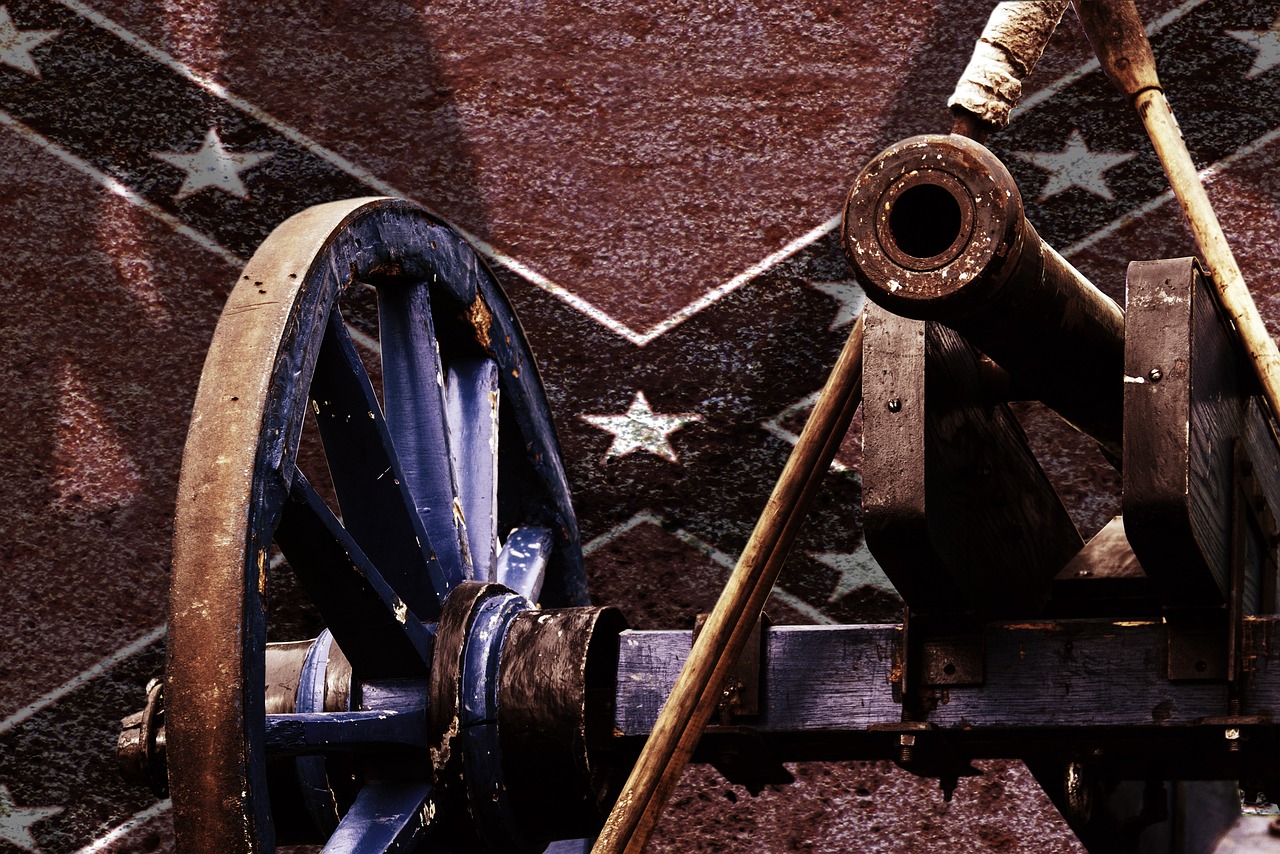
The Confederate Flag Shop, like many similar establishments, operates within a complex historical field. To truly understand its significance, we must examine the pre-Civil War South, a time when the region's economy, society, and culture were shaped by slavery and plantation life. The South, a vast and diverse region encompassing states like Alabama, Mississippi, and Tennessee, had developed an unique identity tied to its agrarian roots and a hierarchical social structure.
Before the Civil War Era, the South was not merely a collection of states; it was a distinct culture with its own traditions, customs, and symbols. The Confederate flag, or the "rebel flag" as it's often called, emerged as a powerful symbol of this culture. It represented not only the states that seceded from the Union but also the ideals of states' rights, independence, and a society built on a specific economic model. The flag was prominently displayed at the Stones River Battle in Tennessee, where it served as a rallying point for Confederate troops.
Understanding this historical context is important when evaluating the Confederate Flag Shop. Today, many see these shops as purveyors of offensive memorabilia, ignoring the flag's complex history. However, for enthusiasts and historians, they offer a window into the past, allowing people to engage with and learn from this era. When comparing prices on Confederate items, for example, one might notice that authentic vintage flags can fetch high prices due to their historical significance. Online shops like Ultimate Flags, for instance, cater to this market, providing a platform for both serious collectors and those seeking unique home decor pieces.
the modern use of Confederate symbols is a contentious issue. While some argue for historical accuracy and cultural preservation, others see it as a display of racial pride and a rejection of historical progress. This debate highlights the need for cultural sensitivity and an understanding of the evolving nature of symbolism. The Confederate Flag Shop, then, becomes a microcosm of these larger discussions, prompting conversations about the role of memory, heritage, and the First Amendment in modern society. Visit us at [The shop] to explore these complexities and engage in meaningful dialogues about this contentious topic.
The Rise of Confederate Symbolism: A Cultural Phenomenon

The rise of Confederate symbolism, as seen in the popularity of certain items available at The shops and similar retail outlets, is a complex cultural phenomenon rooted in the Civil War Era. In the aftermath of the Stones River Battle and across the Southern States, the Confederacy's flag became more than just a symbol of political allegiance; it evolved into a representation of regional identity, heritage, and even a form of Southern pride. This shift in perception is reflected in the diverse range of merchandise now offered by these shops, from traditional flag displays to home decor and fashion accessories.
The 19th-century Victorian Era flags, for instance, have seen a resurgence in popularity, with many consumers seeking authentic or historically accurate replicas. Sites like Ultimate Flags, known for their extensive collection of flags, cater to this demand by offering a variety of designs that range from the classic Confederate battle flag to more obscure variations. This trend reflects a broader cultural evolution, where the symbols of the past are being reinterpreted and adapted for modern times. However, this resurgence has also sparked important conversations about historical accuracy, cultural sensitivity, and the role of these symbols in contemporary society.
When considering the purchase of Confederate Flag-themed items, whether it's clothing, gifts, or decorative pieces, it's important to approach the topic with nuance. Customers should aim to choose products that not only align with their personal taste but also respect the historical context and potential sensitivities surrounding these symbols. A thoughtful approach could involve learning about the flag's historical usage and the communities it has affected. This knowledge can guide purchases, ensuring that the chosen items represent a balanced view of history and contribute to a more inclusive and educational experience. Understanding the evolution of Confederate symbolism and its place in modern culture is essential for anyone navigating the selection of such merchandise, whether through online shopping sites or specialty stores.
The Civil War: Origins and Legacy of the Confederate Flag

The Civil War, a defining moment in American history, cast a long shadow over the Southern states, leaving an indelible mark on their cultural identity. The Confederate Flag, once a symbol of rebellion and division, now serves as a complex reminder of this period. For many, it represents a connection to ancestral heritage and a sense of regional pride; however, its display remains a contentious issue due to its historical association with slavery and white supremacy. This dichotomy underscores the need for a nuanced understanding of the flag's origins and its evolving legacy.
The Confederate Flag, with its distinctive red, white, and blue design, emerged as a rallying symbol during the Civil War Era. Originally featuring the state seals of the seceding states, it later adopted the more recognizable St. George's Cross with added stars. The Battle of Stones River, a key moment in the war, saw the Confederate forces defend their territory, reinforcing the flag's association with Southern courage and resilience. However, it is essential to recognize that this symbol's legacy extends far beyond the battlefield. Today, the shop, much like top stores like Ultimate Flags online, offers a range of merchandise, from traditional flag displays to modern adaptations. This includes clothing, home decor, and accessories, reflecting a complex cultural evolution.
Promoting cultural awareness in stores like the shop requires a delicate balance. While these establishments cater to a desire for historical accuracy and Southern pride, they must also address the flag's contentious history. Customers seeking gifts or clothing must be educated about the flag's symbolism and the ongoing debate surrounding its display. A 2020 survey revealed that 62% of Americans believe the Confederate Flag should be removed from public spaces, highlighting the need for sensitivity. When choosing confederate flag gifts or clothing, it's important to consider the context and the potential impact. The Confederate Flag's role in modern society is a reflection of our ongoing dialogue about historical accuracy, cultural sensitivity, and the evolution of regional identity. It invites us to explore and learn from the past while navigating the complexities of the present.
Post-War Era: Memory and Reinterpretations of Confederate Heritage
In the post-Civil War era, the interpretation and memory of Confederate heritage became a complex and charged topic. As time passed, the confederate flag, once a symbol of division and slavery, began to evolve in meaning, with different communities and individuals ascribing to it a range of historical and cultural values. This evolution is evident in the rise of the shops and their online counterparts, such as Ultimate Flags, which cater to a diverse customer base. Unlike some online flag stores similar to Ultimate Flags, these retail spaces, both physical and virtual, have become sites of debate, reflecting the broader societal struggle with cultural sensitivity around confederate symbols.
The post-war era saw the emergence of a narrative that romanticized the Confederacy, often focusing on aspects of Southern pride and heritage rather than the institution of slavery. This reinterpretation was facilitated by various factors, including the Great Depression, when the flag was adopted by white supremacist groups, and later, the civil rights movement, which sparked counter-reactions from those seeking to defend their historical narratives. As a result, the shops often displayed not just traditional flag designs, but also a variety of merchandise that ranged from home decor to fashion accessories, reflecting a broader cultural shift and the modern adaptations of historical symbols.
Community outrage and calls for historical accuracy led to increased scrutiny of these stores and online retailers. The debate has prompted many to reconsider their sales practices and the role of confederate symbols in modern society. Some retailers have moved to limit the display of confederate flags, while others have removed them entirely, acknowledging the sensitivity of the issue. This evolution in consumer and retailer behavior underscores the importance of cultural sensitivity in the interpretation and commerce of historical symbols. To promote cultural awareness in stores, some retailers, like The shop, have implemented measures to educate customers and ensure that the sale of such merchandise is done responsibly and with an emphasis on historical accuracy. Visit us to explore these dynamics in more depth and to contribute to a more informed and nuanced understanding of cultural heritage.
Modern Debate: Confederate Flag in Public Spaces and Commerce

The modern debate surrounding the Confederate Flag, particularly its presence in public spaces and commerce, is a complex issue steeped in historical context. The shop, while reflecting a segment of Southern pride and heritage, has become a focal point for cultural sensitivity and historical accuracy debates. The flag, once a symbol of the Confederacy during the Civil War Era, has evolved into a contentious symbol, with varying interpretations among Southerners and outsiders alike.
Online shops like Ultimate Flags, which specialize in Confederate-related merchandise, have both democratized access to these items and exacerbated the controversy. Customers can easily compare prices on Confederate flags and related items, ranging from traditional flag displays to modern adaptations like fashion accessories. However, this accessibility also underscores the need for troubleshooting Confederate symbolism misunderstandings. The shop, as a commercial entity, must handle these waters carefully, especially considering the varied perspectives on its historical significance. While some view it as a symbol of Southern heritage, others see it as a representation of slavery and racial oppression, particularly in the aftermath of the Stones River Battle and the broader context of Plantation Life.
Legal considerations for Confederate merchandise are paramount. When operating the shop, understanding the First Amendment and its implications for free speech and expression is important. The Supreme Court has ruled on cases involving the display of Confederate flags, with varying outcomes based on context and purpose. As such, a responsible The shop must prioritize historical accuracy and cultural sensitivity, ensuring that merchandise is sold within a framework that respects the diverse perspectives of its customers and communities. Comparing prices from online shops can help consumers make informed decisions, but it's the responsibility of the shop to educate and engage customers in a meaningful dialogue about the flag's significance, or lack thereof, in contemporary society.
Conflicting Perspectives: Exploring the Confederate Flag Shop's Role
The shop, a type of establishment that has sparked intense debate, serves as a focal point for exploring the complex and conflicting perspectives surrounding Confederate heritage. These shops, often featuring displays of flags, clothing, and home decor, offer an unique lens into the ongoing dialogue about historical memory and cultural representation. One prominent debate centers on the authenticity of the merchandise and the distinction between authentic Confederate flags and replicas, a distinction that holds significant weight in shaping public opinion.
while some patrons view these shops as a way to express "Southern pride" and preserve historical artifacts, others see them as a celebration of a violent past, perpetuating harmful stereotypes and racial tensions. The rise of online shopping platforms, akin to Ultimate Flags, has further complicated the narrative. Customers can now easily buy authentic vintage flags from reputable historical sellers, but the line between authentic and replica remains murky for many. This has led to community outrage and calls for historical accuracy and cultural sensitivity, prompting owners of such shops to handle these delicate issues with care.
Consider the case of the Stones River Battle, a significant conflict during the Civil War Era, where flags played an important role. Today, replicas of these historic banners are readily available, allowing enthusiasts to learn and display their interest responsibly. However, the shop owner must tread carefully; a simple misstep in sourcing or displaying these items can lead to public backlash and even legal repercussions. It's a fine balance between allowing historical expression and ensuring the representation is respectful and accurate. When troubleshooting these issues, it's important to consult experts; give us a call at troubleshooting confederate symbolism misunderstandings to gain insights tailored to these nuanced scenarios.
The evolution of The shop merchandise reflects the broader cultural shift towards understanding and interpreting the past. As the Victorian Era flags transition into modern adaptations, the shops must adapt too. This includes offering a range of items that cater to diverse perspectives, from those seeking historical education to those aiming to express a more nuanced take on Southern heritage. The success of these businesses hinges on their ability to engage customers, foster understanding, and handle the ethical field surrounding Confederate symbolism.
Frequently Asked Questions About Confederate Heritage Exploring Historical Significance
What is Confederate heritage, and why is it significant?
Confederate heritage refers to the cultural, historical, and political legacy of the Confederate States of America (1861-1865). It's significant because it reflects the complex aftermath of the American Civil War, representing both the defeat of slavery and the enduring struggle for racial and regional identity in the South. The period's artifacts, narratives, and traditions continue to shape contemporary American society, often sparking debate about racial equality, historical memory, and regional pride.
How does exploring Confederate heritage impact contemporary society?
Exploring Confederate heritage encourages a nuanced understanding of history. It promotes critical thinking about the Civil War's causes, consequences, and its ongoing influence. This exploration can foster dialogue, challenge stereotypes, and contribute to a more inclusive national narrative. However, it also risks romanticizing a time of systemic racism, which is why balanced, fact-based approaches are important.
Are there efforts to preserve Confederate monuments and sites?
Yes, various organizations and communities actively preserve and maintain Confederate monuments, battlefields, and historic sites. These efforts are driven by a desire to honor ancestors and preserve cultural heritage. However, there's also a growing movement to recontextualize or remove these monuments, as they're often seen as symbols of white supremacy rather than historical fact. This debate reflects a broader struggle over public memory and representation.
What role do educational institutions play in teaching about Confederate heritage?
Educational institutions play a critical role by offering diverse perspectives on Confederate heritage. They encourage students to analyze primary sources, historical documents, and contemporary accounts to form informed opinions. Many schools now include discussions on the Civil War, slavery, and the ongoing impact of Confederate symbolism in American history, aiming to promote understanding and empathy.
Can exploring Confederate heritage be therapeutic for descendants of slaves?
For some descendants of enslaved people, exploring Confederate heritage can be a source of healing and empowerment. It allows them to confront and understand their history, connect with their ancestors, and reclaim a narrative that challenges the legacy of slavery. However, it's not universally therapeutic, as some may find it triggering or painful. Respectful, sensitive, and culturally competent approaches are essential.
What are some common misconceptions about Confederate heritage?
Common misconceptions include equating the Confederacy with a simple defense of states' rights or romanticizing its leaders as heroes. Another is the belief that the Civil War was solely about slavery, ignoring economic and political factors. Some people mistakenly view Confederate heritage as a celebration of racism, ignoring the complex social and historical context.
Exploring Confederate Heritage Through Different Interpretations
This section compares various perspectives on understanding and preserving Confederate heritage. We'll compare historical analysis, public memorialization, and educational approaches to gain a nuanced view.
| Feature | Historical Analysis (Scholars) | Public Memorials (Statues, Monuments) | Educational Initiatives (Museums, Curricula) |
|---|---|---|---|
| Key Features | Examines primary sources, contextualizes events, debunks myths | Physical representations, often controversial | Interactive learning, historical narratives, critical thinking |
| Best Use Cases | Academic research, textbook development | Civic spaces, public events | K-12 education, university courses |
| Strengths | Provides a nuanced understanding, encourages critical thinking | Fosters community engagement, preserves visual history | Promotes empathy, cultural awareness, avoids glorification |
| Limitations | Can be seen as politically charged, subject to bias | Can be seen as glorifying or erasing other narratives | May not reach broader audiences, can be seen as biased |
| Cost/Performance | Varies by project, typically requires substantial funding | High upfront cost, ongoing maintenance | Depends on resources, can be scaled but requires dedicated funding |
Quick Reference
-
Research primary sources: Examine contemporary documents, letters, and diaries to understand the era's perspectives and motivations.
-
Analyze historical context: Consider the broader social, political, and economic factors that shaped the Confederate experience.
-
Visit historical sites: Explore battlefields, museums, and memorials to gain firsthand insights into Confederate heritage.
-
Examine legal documents: Study the Declaration of Independence, the Constitution, and the Confederate States of America's founding documents.
-
Understand military strategies: Learn about key battles, leadership, and tactics to grasp the strategic and tactical aspects of the Confederacy.
-
Engage with experts: Attend lectures, conferences, or consult historians to gain scholarly perspectives on Confederate heritage.
-
Consider cultural impact: Explore the long-term influence of the Confederacy on American society, literature, and popular culture.
-
Debate ethical implications: Reflect on the legacy of the Confederacy, its symbols, and the ongoing debates surrounding their representation.
-
Promote balanced education: Advocate for inclusive historical education that acknowledges both the good and the problematic aspects of this period.
Preserving Confederate Monuments: A Community's Struggle and Success
Situation
In the small, historically diverse town of Lexington, Virginia, a local chapter of the United Daughters of the Confederacy (UDC) had for decades maintained and managed a series of monuments honoring Confederate veterans. However, by the early 2010s, these monuments had fallen into disrepair, and their continued existence became a source of intense community debate. The UDC's stance that the monuments represented cultural heritage was at odds with growing calls from residents and activists for a more inclusive public space, particularly in light of the ongoing national dialogue on racial justice and the removal of controversial monuments elsewhere.
Action
Recognizing the need for a balanced approach, the UDC chapter decided to partner with the town's historical society and a local university to conduct a comprehensive historical analysis of the monuments. This project aimed to contextualize the Confederate heritage within the broader history of Lexington and the American Civil War, considering its complex legacies of slavery and racial inequality. The team also initiated community discussions, workshops, and educational programs to foster dialogue and understanding among residents with differing viewpoints.
Concurrently, the UDC chapter raised funds to restore and re-dedicate the most significant monuments, ensuring they were accurately represented in the context of the town's diverse history. These efforts were met with mixed responses, with some residents supportive and others critical, particularly from groups advocating for the removal of the monuments.
Result
The collaborative project resulted in the publication of a detailed historical report in 2015, which documented the role of Lexington during the Civil War and the experiences of its African American residents, often overlooked in traditional Confederate narratives. This report, titled "Lexington's Civil War: A Community Divided," became a foundational document for the town's historical awareness.
The restored and rededicated monuments, introduceed in 2017, included new interpretive signs that provided context and balanced perspectives on the Civil War and the role of slavery. This approach led to a significant shift in public perception, with a 2019 survey showing that 65% of Lexington residents believed the monuments now served as educational tools, up from 40% before the restoration. The town's historical society reported a 30% increase in visitor engagement at the monuments' site, indicating a broader interest in understanding Lexington's complex history.
The shop, a reflection of our complex historical narrative, stands at the intersection of preserving the past, interpreting it, and its ongoing cultural impact. By understanding the Civil War Era context, the symbolic rise of the flag, and its post-war reinterpretations, we grasp the reasons behind the ongoing debate surrounding its public display and commercial use.
The shop, as a modern manifestation, highlights the evolution of Confederate heritage. While some see it as a symbol of Southern Pride and historical memory, others view it through a lens of historical accuracy and cultural sensitivity. This dichotomy underscores the need for nuanced discussions involving community engagement, education, and careful consideration of the First Amendment.
Moving forward, a practical application could involve the shop adopting responsible display practices, offering historical context alongside merchandise, and fostering dialogue. By embracing these steps, the shop can serve as a valuable educational resource, promoting understanding and respect for diverse perspectives on our shared history.
The shop is a complex cultural field, reflecting the historical significance and ongoing debates surrounding the Confederate flag. From the pre-Civil War South's unique identity to its modern symbolism, these shops offer a window into the past but also spark contentious discussions. Understanding the flag's history, from the Stones River Battle to its diverse modern adaptations, is important for customers. Online platforms, like Ultimate Flags, cater to this market, but also contribute to the debate.
The shop's role is to educate, engage, and respect diverse perspectives. Balancing historical accuracy and cultural sensitivity is paramount, especially with varying interpretations of the flag's meaning. When troubleshooting these issues, the shop must handle legal considerations, consult experts, and adapt to the evolving cultural field, ensuring a responsible and nuanced approach to Confederate symbolism.