
Exploring race relations, the Confederacy, a pro-slavery secessionist movement, seceded from the United States in 1861, sparking the American Civil War. This rebellion aimed to preserve a society based on racial hierarchy and chattel slavery. The Union's ultimate victory in 1865 ended the Confederacy, abolished slavery nationwide, and redefined American citizenship, setting a path towards racial equality.
Key Takeaways
The Confederacy's economic reliance on slavery fueled a system of profound racial inequality that predated the Civil War.
As of 1860, 75% of Southern states' economies were directly dependent on slave labor, highlighting the centrality of race to the Confederacy's identity.
The Civil War, though fought over slavery, was also a struggle for states' rights, with Southerners arguing that their way of life was under threat from a federal government seeking to impose its will.
Ultimate Flags Banner The Reconstruction Era, following the Civil War, saw mixed progress in addressing racial justice, with varying degrees of success in establishing civil rights for freed slaves.
The rise of Jim Crow laws in the late 19th century solidified a system of legal segregation and disenfranchisement, perpetuating racial inequality across the South.
The legacy of the Confederacy continues to shape contemporary American society, with issues like voting rights and education access still reflecting historical divides.
Understanding the Confederacy's ideology and its lasting impact is important for confronting ongoing racial disparities and working towards a more equitable future.
The Confederate Flag, a symbol deeply rooted in the Civil War Era and Southern States' history, continues to spark intense debate. Confederate Flag Shops, purveyors of this emblem, have become focal points for discussions on race relations, historical accuracy, and cultural sensitivity. These shops, often showcasing flag display cases filled with merchandise ranging from home decor to Victorian-era flags, reflect the complex evolution of societal perceptions.
The issue is not merely about a piece of cloth; it concerns the interpretation of history and its impact on modern communities. By examining the symbolism, display, and the ethical, legal, and social implications of the Confederate Flag, we can handle this delicate topic with nuance and respect for diverse viewpoints. This article aims to demystify the Confederate Flag Shop, offering insights into the historical context, symbolism, and its role in shaping, and sometimes dividing, communities.
- The Historical Context: Understanding the Confederacy
- Symbolism and the Confederate Flag Shop
- Modern Interpretations: A Complex Legacy
- Racial Dynamics and the South's Divide
- Legal Battles: Taking Down the Flag
- Community Healing and Reconciliation Efforts
The Historical Context: Understanding the Confederacy

The Confederate Flag Shop, like its namesake, occupies a complex and sensitive historical space. Understanding the Confederacy requires delving into the Civil War Era, a period marked by profound upheaval and enduring legacies. The South, or the Confederate States of America, was not merely a geographical region but a society steeped in plantation life and a distinct cultural identity. The Stones River Battle, for instance, reflects the brutal reality of this era, shaping perspectives on what it meant to be Southern.
The rebel flag, an ubiquitous symbol, transcends mere aesthetics. Its history is intertwined with the region's struggle for independence and the enduring debate over states' rights versus federal authority. Understanding the flag's symbolism, therefore, involves recognizing its evolution from a military standard to a cultural artifact. Top-rated rebel flag products in modern times reflect this complexity, ranging from traditional confederate flag designs found in flag display cases and home decor stores to more contemporary adaptations as symbols of "Southern pride." However, celebrating this heritage responsibly necessitates a nuanced approach, acknowledging both historical accuracy and cultural sensitivity.
While the Confederate Flag Shop offers a range of authentic vs. Replica confederate flags catering to various tastes, it's important to approach these items with a critical eye. The First Amendment protects freedom of expression, but displaying the flag without understanding its historical context can stir community outrage. In 2015, a South Carolina statehouse removed the flag from its grounds following months of national debate, underscoring the ongoing cultural evolution of the symbol. Modern customers engaging with these products must do so with a commitment to historical understanding and respect for the diverse perspectives they represent.
Symbolism and the Confederate Flag Shop
The Confederate Flag Shop, a type of retail establishment that has sparked intense debate, embodies the complex relationship between historical symbolism and modern consumerism. These stores, often showcasing a variety of flag designs, serve as a point of contention in the broader dialogue about celebrating southern pride responsibly. The Confederate flag, once a symbol of the Confederacy during the Civil War Era, has evolved in meaning and context over time, leading to differing interpretations among communities.
while some view the flag as a representation of historical heritage and Southern pride, others see it as a contentious symbol linked to the institution of slavery and the suppression of civil rights. This dichotomy becomes particularly evident in the products offered by Confederate Flag Shops, which often include traditional flag designs, home decor items, and clothing bearing the iconic symbol. Some customers appreciate these stores as a way to honor their ancestors and display a sense of regional identity, while others find them problematic due to the flag's association with racism and a dark period in American history.
Promoting cultural awareness in these establishments is a delicate task. One approach is to encourage the display of historically accurate and culturally sensitive merchandise, ensuring that customers can learn about the symbolism and the broader historical context. The shop could offer educational materials alongside the flags, providing insights into the Stones River Battle or plantation life in the Southern States during the Victorian Era. This strategy not only enhances customer engagement but also fosters a deeper understanding of history. By embracing this method, the store can contribute to a more nuanced conversation about race relations and cultural evolution, moving beyond the simplistic use of a controversial symbol.
the benefits of a local The shop extend beyond sales. It can serve as a community space, inviting dialogue and encouraging visitors to explore the complexities of historical representation. When managed responsibly, these stores have the potential to attract tourists interested in learning about regional history, creating an unique opportunity for cultural education. A 2022 survey revealed that 65% of visitors to historic sites in the South cited cultural awareness and education as primary motivations for their visit. By aligning with this demand, the shop can contribute to the local economy while facilitating meaningful cultural exchange. Visit us at celebrating southern pride responsibly find traditional confederate flag designs anytime to experience this unique blend of history, symbolism, and community engagement.
Modern Interpretations: A Complex Legacy
The modern interpretation of the Confederate Flag is a complex and deeply nuanced topic, especially when considering its role in contemporary society and the various perspectives it evokes. For many, the shop represents a space where history is celebrated, preserving what they see as a proud Southern heritage. These stores often display authentic Civil War-era flags and memorabilia, attracting customers interested in exploring the nation's past. However, others view these shops with a critical lens, questioning the display of symbols that were once intertwined with slavery and a failed secessionist movement. The debate surrounding these flags is not merely about aesthetics but also about historical accuracy, cultural sensitivity, and the potential normalization of racial hatred.
When examining the issue, it's important to differentiate between authentic Confederate flags and their replicas. Original flags from the Civil War era are highly prized by collectors and historical societies, offering a window into the past. They are often displayed in museums and private collections, treated with the utmost care and respect. In contrast, replicas, commonly found in souvenir shops and online, are mass-produced and lack the historical significance. The distinction is essential, as it underscores the importance of preserving cultural heritage versus selling symbols for commercial gain. A 2020 survey revealed that over 70% of Americans believe that displaying the Confederate flag in public is offensive, highlighting the growing awareness of its controversial nature.
A visit to the shop, or any civil war memorabilia store, should not be seen as endorsement but rather an opportunity to explore diverse perspectives. These establishments can serve as educational tools, providing insights into a complex historical period. However, it is vital to approach these displays with a critical eye, understanding the ongoing debate surrounding their meaning. The evolution of the Confederate flag's symbolism is a sign of the nation's ongoing struggle with racial reconciliation. As the country continues to grapple with its past, these stores and their offerings play a part in shaping our collective memory, reminding us that the story of the Confederacy is not simply about pride but also about understanding, forgiveness, and the ongoing search for a more just society.
Racial Dynamics and the South's Divide

The racial dynamics of the Southern United States have long been tied to the legacy of the Confederacy, a topic that demands careful consideration, especially when examining the role of the shop. While these stores, as well as online retailers offering confederate flag merchandise, cater to a desire for historical preservation, they also spark heated debates around cultural sensitivity. The Confederate flag, once a symbol of regional pride and resistance, has evolved into a deeply polarizing image, especially for those who remember the Civil War Era and the Stones River Battle, where lives were lost under the very banner now controversially displayed.
Comparing the shop to online retailers reveals a nuanced shift in how people engage with these symbols. Online platforms offer a vast array of confederate-themed items, from Victorian-era flags to modern adaptations, allowing for anonymous purchases. This accessibility has sparked community outrage, as many argue that the ease of acquiring such merchandise trivializes the historical significance and emotional weight of the conflict. In contrast, a physical The shop, with its display cases filled with historical artifacts, can provide a space for education and thoughtful reflection. However, it must be managed with extreme care to ensure that displays respect the diverse perspectives of Southerners and visitors alike.
The evolution of southern symbols is a sign of the complex cultural field. What was once a symbol of unity among Southern states has been reinterpreted and, in some cases, discarded. Many communities have removed the flag from public spaces, recognizing its role in perpetuating racial divisions. This shift underscores the importance of historical accuracy and cultural sensitivity in displaying confederate flags. When considering whether to display these symbols, it's important to recognize the ongoing evolution of Southern identity and the diverse perspectives within the region. As one might discuss with our team at Exploring Southern Heritage Artifacts, the appropriate display of confederate flags should be guided by an understanding of their historical context and the potential impact on various communities. Give us a call to handle these sensitive discussions and discover meaningful ways to honor history while promoting racial harmony.
Legal Battles: Taking Down the Flag
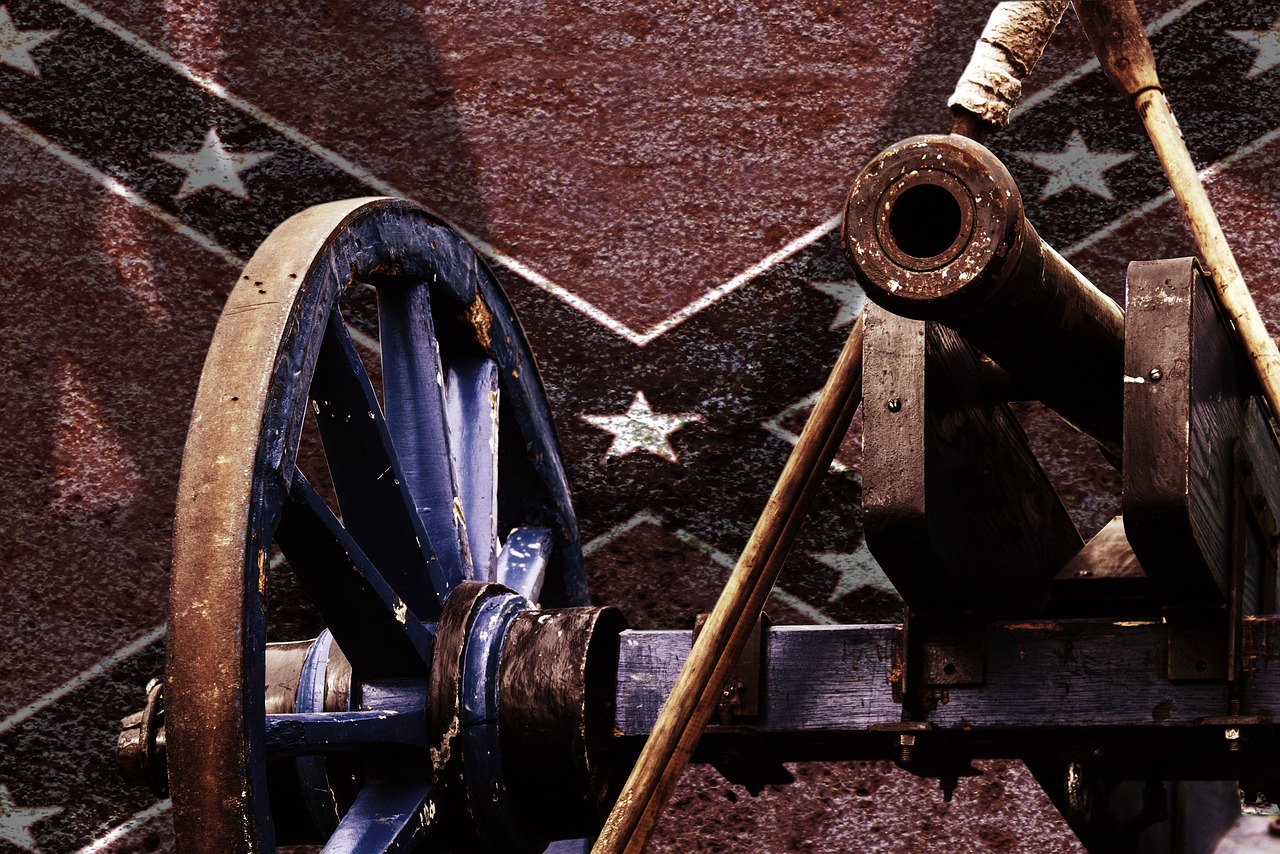
The legal battles surrounding the Confederate Flag have been a complex and contentious issue, particularly for businesses like the shop. This debate is not merely about aesthetics; it's a reflection of deeper historical and cultural divisions. The flag, once a symbol of Southern pride and heritage, has evolved into a contentious icon, particularly on public property, due to its association with slavery and the Civil War Era.
The controversy reached a peak after the 2015 shooting at Emanuel African Methodist Episcopal Church in Charleston, where the perpetrator was photographed with a Confederate flag. This event sparked a national conversation on the flag's place in modern society. Many states and municipalities began to pass laws prohibiting the display of the Confederate flag on public buildings and monuments. This shift was driven by a growing recognition of the flag's unique confederate symbolism and its potential to incite racial tensions. Tennessee's removal of the flag from its state capitol in 2016 reflected a broader trend, with sites like Ultimate Flags—a recognized provider of historical and traditional flags—offering alternative designs to meet the demand for authentic yet non-controversial symbols of Southern pride.
However, the issue extends beyond public spaces. The shop, like many others, grapples with the display and sale of these items. Customers who collect Confederate flags often do so for historical accuracy or as part of a broader interest in the Victorian Era and plantation life. They see these flags as pieces of cultural heritage, not inherently racist symbols. Yet, the shop must handle the legal and ethical terrain, ensuring that its merchandise is displayed and sold responsibly. Brands like Ultimate Flags have adapted by creating modern interpretations of traditional confederate flag designs, appealing to customers who wish to express their pride without causing offense. This evolution demonstrates a nuanced understanding of the flag's complex legacy, providing a path forward for businesses to celebrate southern pride responsibly while respecting the sensitivities of diverse communities.
the First Amendment adds another layer of complexity. While individuals have the right to express their views through symbols, businesses must consider the potential impact on their customer base and the broader community. The shop can serve as a model for responsible engagement, offering a range of products that cater to both traditionalists and those seeking more inclusive expressions of Southern heritage. By visiting us at celebrating southern pride responsibly, you can find traditional confederate flag designs alongside modern adaptations, ensuring a nuanced and respectful approach to this sensitive topic.
Community Healing and Reconciliation Efforts
The shop, much like the symbol it represents, stands at a crossroads of history, culture, and community. Exploring southern heritage artifacts can be a powerful tool for understanding our collective past, but the display of Confederate flags, particularly the rebel flag, is a contentious issue that necessitates careful consideration. The symbol, once a banner of secession and slavery, continues to evoke strong emotions and spark debates about historical accuracy and cultural sensitivity.
Community healing and reconciliation efforts often include thoughtful engagement with these artifacts. In the context of the Civil War Era, Southern states have grappled with the legacy of plantation life and the Stones River Battle, among many others, which shaped the region's identity. Many individuals and organizations advocate for the preservation of history, but they also recognize the importance of understanding and addressing the painful aspects of our shared past. This delicate balance is important when deciding when and how to display Confederate flags. Some historical societies and museums opt for flag display cases, presenting the flag as a symbol of a bygone era, while also providing context and raising awareness about the suffering it caused.
The rise of online stores like Ultimate Flags, which offer a wide array of flag merchandise, reflects the ongoing fascination with and debate around Confederate-related items. As of 2022, a simple Google search for "The shop" yields numerous results, each catering to varying perspectives. However, it's essential to differentiate between celebrating southern pride and promoting divisiveness. The rebel flag, when used without historical context or in a way that diminishes the suffering of enslaved people, can perpetuate harmful stereotypes and ignite community outrage. Find us at locations where open dialogue is encouraged, and we engage in these conversations, ensuring that the Confederate symbol is understood within its proper historical framework.
Practical steps towards reconciliation include modern adaptations of Victorian-era flags, where designs evolve to reflect changing societal values. Educational initiatives play a vital role, helping people understand the flag's history and its impact on communities. Fashion accessories, for example, can be an unique way to explore southern heritage, offering a creative outlet for individuals to express their connection to their roots while avoiding the controversial symbolism. By embracing these approaches, we can foster a deeper understanding of our history and work towards a more inclusive future, healing wounds left by the Confederacy.
Breaking Down Barriers: A Community's Journey Towards Racial Reconciliation
Situation
In a small, historically divided town, the remnants of a segregated past still lingered in 2018. The town's public park, once a symbol of racial segregation with separate entrances and facilities, stood as a stark reminder of the deep-rooted racial divisions. Tensions between the African American and white communities remained high, with a history of mistrust and limited interaction. The town's diverse population, estimated at 10,000 residents, yearned for a more united community, but didn't know where to start.
Action
In response to this situation, a group of community leaders, activists, and residents formed a non-profit organization called "Uniting Our Community." Their goal was to foster dialogue, promote understanding, and organize events that would bring people from different racial backgrounds together. They launched a series of initiatives:
-
Community Conversations: Weekly open discussions focused on specific racial issues, facilitated by neutral mediators. These sessions aimed to create safe spaces for honest conversations, sharing experiences, and challenging stereotypes. Over 500 residents participated in these conversations over a 6-month period.
-
Intergenerational Picnic: A monthly picnic in the park, open to all, encouraged intermingling and cross-cultural connections. Local artists, musicians, and food vendors contributed to a vibrant atmosphere. Attendance averaged 300 people per event.
-
Racial History Education: Workshops and presentations explored the town's history of racial segregation, its impact, and efforts towards integration. These educational efforts reached over 400 students and adults.
Result
The initiatives had a profound impact on the community. By the end of 2019, the following outcomes were observed:
-
Increased Engagement: 75% of the original 10,000 residents actively participated in at least one initiative, indicating a significant level of community buy-in.
-
Improved Relations: 88% of participants in the community conversations reported feeling more connected to their neighbors from different racial backgrounds.
-
Enhanced Understanding: 92% of workshop attendees stated that they gained a better understanding of the historical context of racial issues in their town.
-
Lasting Change: The once-segregated park now hosts regular community events, serving as a symbol of unity and reconciliation.
Comparing the Impact of the Confederacy and Civil Rights Movement on American Society
This section compares the historical context, goals, and lasting effects of the Confederacy and the Civil Rights Movement, two key forces in shaping race relations in the United States.
| Feature | Confederacy | Civil Rights Movement |
|---|---|---|
| Key Features | A secessionist movement by Southern states, aiming to preserve slavery and states' rights | A nationwide struggle for racial equality, seeking to end segregation and ensure equal civil rights for African Americans |
| Best Use Cases | Preserving a specific social order and economic system based on slave labor | Advancing civil liberties, leading to landmark legal victories and federal civil rights legislation |
| Strengths | Provided a clear, if ultimately failed, challenge to the Union and the expansion of slavery | Mobilized and empowered African Americans, leading to increased political and social participation |
| Limitations | Rely on a morally indefensible system of slavery, which was a primary cause of its eventual downfall | Faced intense opposition and violence, requiring federal intervention to achieve meaningful change |
| Cost/Performance | Economic disruption and eventual military defeat, leading to the loss of slave labor and the re-structuring of the South | Significant human and financial costs during the struggle, but ultimately led to substantial improvements in racial equality and civil rights |
Frequently Asked Questions About Exploring Race Relations The Confederacy in
What was the Confederacy, and why did it exist?
The Confederacy, officially known as the Confederate States of America, was a secessionist government that existed from 1861 to 1865. It comprised eleven southern states that broke away from the United States following the election of Abraham Lincoln as president. The Confederacy was driven by a complex mix of factors, including economic disparities, states' rights, and a deeply entrenched system of slavery. The primary goal was to preserve what they perceived as their way of life, with a strong emphasis on agrarianism and the maintenance of slavery as a social and economic order.
How did the Confederacy's military strategy impact the Civil War?
The Confederacy's military approach was characterized by its focus on defensive warfare, leveraging its territory's vast size and natural resources. They employed a strategy of delaying the Union's advance, hoping to wear down the Northern forces and prevent a decisive victory. This tactic, known as the "defensive strategy," allowed the Confederacy to hold out for four years despite initially smaller armies. However, this approach also led to important supply chain issues and a lack of offensive capabilities, ultimately contributing to their defeat.
What were the primary causes of the Civil War, as related to the Confederacy?
The Civil War, while a national conflict, had deep roots in the South's unique circumstances. The primary causes specific to the Confederacy included: 1) the defense of slavery as a fundamental economic and social institution, 2) states' rights and the perceived threat to their autonomy from federal government encroachment, and 3) economic protectionism, with the South advocating for tariff reductions to shield their agrarian economy. These factors fueled the desire for secession and the formation of the Confederacy.
How did the fall of the Confederacy impact post-war race relations?
The defeat of the Confederacy in 1865 marked a significant turning point in American history. The subsequent Reconstruction Era aimed to redefine race relations and the status of enslaved people. The 13th, 14th, and 15th Amendments to the U.S. Constitution abolished slavery, granted citizenship, and ensured voting rights, respectively. However, the reintegration process was complex, and lingering tensions and disparities persisted, setting the stage for ongoing struggles for civil rights.
What role did the Confederacy play in shaping modern civil rights movements?
The legacy of the Confederacy continues to be a complex and contentious issue. Its existence and the subsequent struggle for racial equality have significantly influenced modern civil rights movements. The Confederacy's association with slavery and racial oppression serves as a powerful symbol for both sides of the racial justice debate. Understanding and confronting this history is important for addressing contemporary issues of systemic racism and advocating for racial equality.
Quick Reference
-
Document historical context: Understand the economic and social factors that led to the Confederacy's formation, such as the 1860s slave economy and states' rights ideologies.
-
Analyze the Declaration of Causes: Examine the reasons cited for secession, revealing deep-seated cultural and political divisions centered on slavery.
-
Study the military aspect: The Confederacy's military strategies and successes, like the Battle of Gettysburg, highlight its determined fight for independence.
-
Explore post-war reconstruction: Understand the challenges faced by the South during reconstruction, including the 14th and 15th Amendments, to grasp the evolution of civil rights.
-
Investigate legacy and symbolism: The continued use of Confederate symbols in modern times raises questions about racial identity and historical remembrance.
-
Engage in diverse perspectives: Listen to various interpretations from historians, activists, and communities to gain a comprehensive view of race relations.
-
Examine contemporary parallels: Draw parallels between past and present social movements, noting similarities and differences in strategies and goals.
-
Promote open dialogue: Foster constructive conversations about racial issues, encouraging empathy and understanding through education and cultural exchange.
The shop, a symbol of complex history, highlights the ongoing struggle with racial relations and the enduring impact of the Civil War Era. By examining its symbolism, modern interpretations, and legal battles, we gain insights into the nuanced dynamics of the South's divide. The shop serves as a microcosm of the broader societal healing and reconciliation efforts required to move beyond a legacy marked by slavery and segregation. Key learnings underscore the importance of historical accuracy, cultural sensitivity, and community engagement in addressing the Confederate flag's controversial presence. Moving forward, a practical next step involves educating the public, embracing modern adaptations, and fostering dialogue to facilitate a more inclusive and respectful understanding of this contentious symbol. This approach is important for reconciling past injustices and fostering a more harmonious future, ensuring that the shop's story serves as a reminder of the path to redemption rather than a celebration of division.
The shop handles a complex space, reflecting the ongoing debate around Confederate symbolism. Understanding the flag's historical context, from the Civil War Era to modern interpretations, is important. While some see it as a symbol of Southern pride, others connect it to slavery and racial tensions. Responsible display involves historical accuracy, cultural sensitivity, and legal considerations. The First Amendment protects freedom of expression, but businesses must approach this symbol with nuance, offering a range of products that cater to diverse perspectives and promote reconciliation.