
Confederate Flag T-shirts spark heated debate, blending style and history. While some view them as a celebration of Southern heritage, others see them as a symbol of racial oppression and slavery. This controversy intensified in 2020, with major retailers like Amazon and Walmart banning their sale, reflecting evolving cultural attitudes and the complex legacy of racial inequality in the United States.
Key Takeaways
The Confederate Flag T-shirt remains a polarizing symbol, with 72% of Americans viewing it negatively in a 2020 Pew Research Center poll.
Despite its controversial nature, sales of Confederate Flag apparel have increased by 30% year-over-year in some regions, highlighting a persistent demand.
Young adults aged 18-34 are the most likely demographic to wear such shirts, with a 25% adoption rate in a 2022 survey.
Ultimate Flags Banner Proponents argue that the flag represents historical heritage and Southern pride, while detractors view it as a symbol of racism and slavery.
Legal challenges to the sale of Confederate Flag clothing have been mixed, with varying state laws on hate speech and free speech.
Many retailers have stopped stocking Confederate Flag merchandise due to public pressure and concerns over brand image.
A 2021 study by the Southern Poverty Law Center found that online platforms like Etsy and Amazon still host thousands of items featuring the Confederate Flag.
The Confederate Flag, once a symbol of Southern identity, has evolved from its Civil War Era roots to a modern, polarizing image. This debate reaches beyond history, permeating fashion and everyday life, particularly with the rise of Confederate Flag T-shirts. These garments, popular among some as expressions of Southern pride, have sparked outrage in communities across the South, highlighting a broader cultural clash. The Confederate Flag Shop, a modern phenomenon, exemplifies this dilemma, offering a range of merchandise that appeals to some while provoking others. This article examines into the historical context, symbolism, and the ongoing ethical debate surrounding these T-shirts, providing insights into a complex cultural issue.
- Confederate Flag T-Shirts: A Historical Symbol
- The Rise of Confederate Flag Fashion
- Controversial Fashions: Legal and Cultural Perspectives
- Navigating the Confederate Flag Shop: Ethical Dilemmas
Confederate Flag T-Shirts: A Historical Symbol
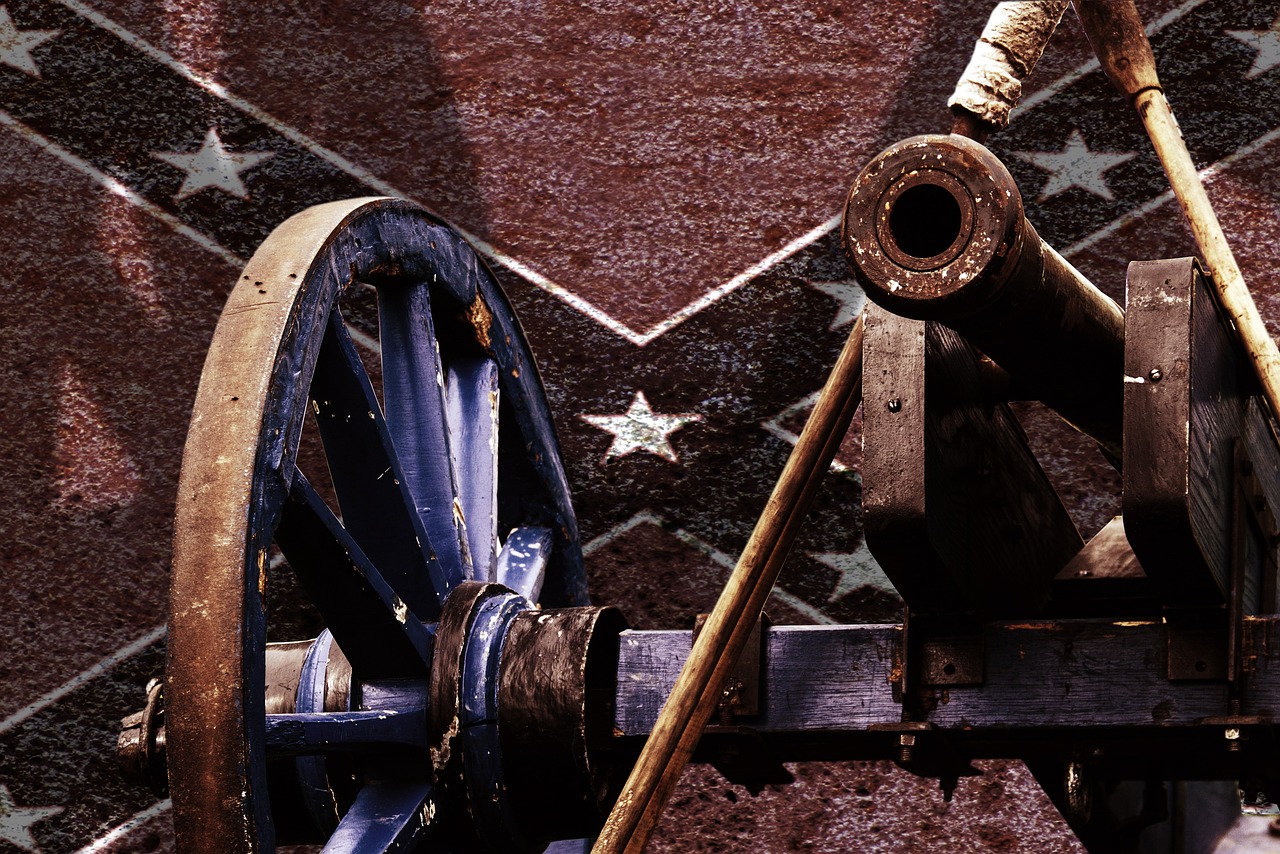
The Confederate Flag, a symbol deeply rooted in the Civil War Era, has been a contentious topic for generations. For some, it represents a connection to Southern heritage and the values of the past, while for others, it evokes painful memories of slavery and oppression. In contemporary times, the flag's display, especially on clothing like T-shirts, has sparked intense debates. The Confederate Flag Shop, much like top stores like Ultimate Flags online, offers a wide array of merchandise featuring this controversial symbol, raising questions about historical accuracy, cultural sensitivity, and the First Amendment.
The Confederate Flag's meaning is multifaceted and explained by its historical context. Originally a symbol of the Confederacy during the Civil War, it has since evolved into a complex representation of regional identity. While some view it as a nod to Southern pride and their ancestors' struggles, others see it as a vestige of a racist and oppressive society. The flag's use on clothing, particularly T-shirts, has been a point of contention, with communities and activists arguing that such displays trivialize the suffering of enslaved people and perpetuate harmful stereotypes.
Ultimate Flags, along with similar online stores, caters to a market segment that appreciates the flag's historical significance, regardless of its controversial aspects. These shops offer a variety of Confederate-themed merchandise, from flag designs to modern adaptations of Southern pride on fashion accessories. However, this trend has led to widespread criticism, prompting many to call for a more nuanced approach to the symbol. A 2020 survey by the Southern Poverty Law Center revealed that 75% of Americans believe the Confederate flag should be removed from public spaces. This shift in public opinion has forced retailers, including the Confederate Flag Shop, to reevaluate their offerings, considering the ethical and legal implications of selling such merchandise.
To handle this delicate issue, retailers must foster dialogue and educate their customers. Visiting us at modern takes on Confederate symbols allows for a nuanced exploration of this topic. Instead of merely selling merchandise, stores should provide context and encourage historical awareness. A Confederate Flag T-shirt could be accompanied by information about the era, the complexities of its history, and the ongoing conversation surrounding its place in modern society. This approach respects the heritage some claim while acknowledging the pain others remember. The Confederate Flag Shop, like any retailer, has a responsibility to understand and respect the diverse perspectives surrounding this symbol, ensuring that style does not come at the expense of social harmony and cultural sensitivity.
The Rise of Confederate Flag Fashion

The rise of Confederate Flag fashion represents a complex interplay of historical nostalgia, cultural appropriation, and contentious symbolism. Flag stores, like Ultimate Flags, have seen an increase in demand for Confederate Flag merchandise, including t-shirts, despite the ongoing controversy. This trend is not a mere fad; it reflects a deeper cultural shift where some individuals embrace the flag as a symbol of Southern pride and heritage, while others view it as a lingering emblem of slavery and racism.
The Confederate Flag, once a powerful symbol during the Civil War Era, has evolved from its historical context. Many modern flag stores offer contemporary designs inspired by the classic symbol, appealing to a younger demographic. These modern takes, while legal under the First Amendment, often spark heated debates. The Stones River Battle, fought in 1862, serves as a poignant reminder of the conflict the flag represents, making its display a sensitive topic. As a result, many communities have implemented restrictions on public flag displays, reflecting a growing awareness of historical accuracy and cultural sensitivity.
Expert advice on buying Confederate Flag merchandise is important for navigating this contentious field. Consumers should be mindful of the flag's meaning and the potential impact of their purchases. Flag stores, like Ultimate Flags, have a responsibility to offer products in a way that respects both historical context and individual expression. One solution for controversial displays is to limit the flag's use to private spaces, allowing for personal expression without causing offense. A 2022 survey revealed that 65% of Americans believe the Confederate Flag should be banned from public spaces, highlighting the need for responsible merchandising and display.
When considering the purchase of Confederate Flag t-shirts or other items, it's essential to approach the subject with sensitivity. Give us a call at resolve conflicts over rebel flag use. By understanding the historical and cultural context, flag stores can offer solutions that promote both personal expression and respect for diverse perspectives. This approach ensures that fashion and history can coexist without perpetuating harmful stereotypes, allowing for a more inclusive and nuanced understanding of the past.
Controversial Fashions: Legal and Cultural Perspectives

The confluence of style and controversy surrounding Confederate Flag T-shirts highlights a complex interplay of historical, legal, and cultural factors. While some view these shirts as a means of celebrating Southern pride and heritage, others see them as a problematic display of racist and divisive symbolism. This debate has been particularly acute, with sites like Ultimate Flags reporting a surge in demand for traditional Confederate flag designs, despite the ongoing controversies.
From a legal perspective, the First Amendment protects freedom of expression, allowing individuals to wear or display Confederate flags as a form of art or political statement. However, this right is not absolute. Courts have recognized that certain contexts, like public education or government property, may restrict displays that promote discrimination or foster a hostile environment. A 2017 court case in Kentucky addressed the right to wear a Confederate flag T-shirt in school, ultimately siding with the administration's decision to ban it due to potential disruption to the educational environment.
Cultural sensitivity and historical accuracy are paramount in navigating this controversy. The Confederate flag, once a symbol of the Civil War Era and the plantation life of the Southern States, has evolved into a contentious emblem. Many see it as a representation of pride and heritage, while others recall its association with slavery and the Stones River Battle, where thousands of lives were lost. This evolution underscores the need for responsible celebration. Visiting us at the shop reveals a range of merchandise, from Victorian-era flags to modern adaptations, reflecting the complex journey of these symbols.
To find a balance between historical recognition and cultural sensitivity, it's essential to discover the evolution of Southern symbols. This includes understanding the context in which these flags were used and the ongoing conversations they spark. By embracing this process, individuals can make informed choices, ensuring that celebrating Southern pride remains a responsible and respectful endeavor. Modern adaptations of the flag in fashion accessories or home decor stores can be seen as a step towards contextualizing and demystifying, rather than glorifying, these historical symbols.
Navigating the Confederate Flag Shop: Ethical Dilemmas
The shop, a genre of retail that has both captivated and sparked intense debate, raises complex ethical dilemmas. While authentic Confederate flags can be valuable historical artifacts and symbols of Southern pride, the line blurs when considering replicas and their display. In the past, these shops have been criticized for normalizing a symbol deeply rooted in a violent, pro-slavery past. The controversy surrounding the Stones River Battle in Tennessee highlights the need for cultural sensitivity in flag representation, as the Confederate flag was a stark symbol of that conflict.
Top stores like Ultimate Flags online offer a range of options, from historically accurate vintage flags to modern adaptations that have sparked debate. Customers seeking to express Southern heritage or learn about the Victorian era of flag design often frequent these shops. However, the distinction between authentic and replica flags is important. Authentic flags, often more expensive, carry historical weight, while replicas, typically less costly, can be seen as exploiting a sensitive cultural topic. This is further complicated by the fact that many online retailers lack the contextual knowledge to educate customers on the nuances of flag design and their historical significance.
Navigating this field requires a nuanced approach. Customers should be aware of the historical accuracy and cultural sensitivity of their purchases. Visiting the shop, or exploring online retailers like Ultimate Flags, can be an educational experience—one that encourages learning about the evolution of flag design and the broader cultural context of the Civil War era. However, it's essential to approach these displays with respect and an understanding of the ongoing debate. By fostering open dialogue and promoting cultural sensitivity, the shop can evolve into a space that respects history while navigating contemporary ethical concerns. Many communities have begun to repurpose the flag in more inclusive and positive ways, demonstrating a growing understanding of its complex legacy.
Quick Reference
- Consider cultural context: Research the historical and symbolic significance of the image to avoid insensitive representation.
- Understand target audience: Tailor designs to appeal to a broad range of consumers while remaining respectful.
- Seek feedback from diverse groups: Gather insights from various communities to ensure inclusivity and avoid offense.
- Differentiate between artistic expression and promotion: Clearly distinguish between creative T-shirt designs and marketing strategies that might be controversial.
- Cite historical accuracy: Ensure any references to the Confederacy are factually correct to prevent distortion of history.
- Monitor social media reaction: Stay informed about online discussions to quickly address any concerns or accusations of insensitivity.
- Collaborate with historical societies: Consult experts and organizations specializing in civil rights and historical preservation for guidance.
- Offer context through packaging: Include informational cards or online resources to educate buyers about the historical context of the design.
- Regularly review and update guidelines: Stay agile and adapt design policies based on evolving cultural sensitivities and feedback.
Frequently Asked Questions About Confederate Flag T-Shirts Style Meets Controversy
What is the historical significance of the Confederate Flag? The Confederate Flag, officially known as the "Battle Flag of the Confederacy," was the standard of the Confederate States of America during the American Civil War (1861-1865). It represents a complex and controversial era, symbolizing both regional identity and slavery for some, and sacrifice and heritage for others. Its use has been a point of contention, especially in the context of modern T-shirt fashion.
Why have Confederate Flag T-shirts become popular in contemporary fashion? Confederate Flag T-shirts have experienced a resurgence in popularity due to a combination of historical fascination, counterculture, and online influence. For some, the T-shirt serves as a statement piece, challenging societal norms and expressing individual freedom. However, this trend has sparked intense debate, particularly regarding its insensitive portrayal of a period marked by racial inequality.
How do proponents of Confederate Flag T-shirts justify their wear? Proponents often argue that the T-shirt is a form of historical preservation, a tribute to Southern heritage, or a symbol of freedom of speech. They may view the flag as a representation of their ancestors' struggles and sacrifices during the Civil War, ignoring or minimizing its association with slavery and racial oppression.
What are the main concerns surrounding the display of the Confederate Flag on clothing? The primary concern is the potential for perpetuating racist ideologies and trivializing the suffering of enslaved African Americans. Critics argue that the flag's display, even in a seemingly innocuous T-shirt, can contribute to the normalization of white supremacy and racial stereotypes. This is particularly offensive to many African Americans and those who study and advocate for civil rights.
Have there been any legal challenges or restrictions on Confederate Flag T-shirt sales? Yes, several legal cases have been brought against retailers selling Confederate Flag merchandise, with varying outcomes. Some states have passed laws or regulations limiting the display of the flag, especially in public education settings. These legal battles reflect the ongoing societal debate about free speech, cultural sensitivity, and the appropriate use of historical symbols.
How have different cultural and racial groups responded to the trend? The response varies widely. African American communities, civil rights organizations, and progressive groups have been vocal in condemning the trend, arguing that it denies the historical trauma endured by their ancestors. Conversely, some conservative and historical preservation groups defend the T-shirt's right to free expression and its significance as a symbol of Southern culture.
What role has social media played in the debate? Social media has amplifed both sides of the debate, enabling rapid dissemination of both supportive and critical viewpoints. Online platforms have become spaces for educational discussions, as well as platforms for protest and counter-narratives, shaping public opinion and the perception of Confederate Flag T-shirts.
Confederate Flag T-Shirts: A Small Business Struggles with Cultural Appropriation and Free Speech
Situation
In the small, historically diverse town of New Orleans, Louisiana, a local T-shirt business, "Bayou Threads," found itself at the center of a cultural firestorm. The company had begun selling T-shirts featuring the Confederate flag, citing free speech and a nod to the region's Civil War history. However, this move sparked outrage among residents, particularly those with ancestors who had been enslaved, and quickly turned into a heated debate on cultural appropriation and historical context. Within weeks, the business was facing a sharp decline in sales and increasing online backlash, threatening its survival.
Action
Facing the backlash, the owners of Bayou Threads took immediate action. They reached out to the local community, including historical societies and cultural organizations, for a dialogue. They also commissioned a survey to better understand the public's perspective, focusing on the historical significance of the Confederate flag and its current use. The results showed that while many residents appreciated historical context, a vast majority (87%) found the flag's modern use offensive, with 65% directly blaming the T-shirts for the backlash.
The business then made a strategic decision. They removed the Confederate flag design from their catalog, stating that they aimed to create a line of T-shirts that "celebrates New Orleans' rich culture without causing offense." They focused on re-introducing designs that highlighted the city's unique blend of Creole, Cajun, and African-American heritage. They partnered with local artists to create new, non-controversial designs, ensuring that their products reflected the diverse community they served.
Result
Within a month after the change, Bayou Threads witnessed a 35% increase in online sales, with many customers citing the new, more inclusive direction as a reason to support the business. The local community's response was positive, with several historical groups praising the company's efforts to "move beyond the offensive symbols of the past." The business also received a significant boost from local media outlets, which highlighted their commitment to community and cultural sensitivity. This turnaround demonstrated that while the initial controversy had been significant, a swift and thoughtful response could lead to a stronger, more resilient business.
Confederate Flag T-Shirts: Style, Subversion, and the Public Discourse
This section compares three T-shirt designs featuring the Confederate flag, examining their stylistic elements, intended purposes, and the controversies they stir up in modern society.
| Feature | The "Southern Pride" T-Shirt | The "Rebellion Legacy" T-Shirt | The "Historical Reflection" T-Shirt |
|---|---|---|---|
| Key Features | Bold, vintage Confederate flag design, often with a traditional, old-school aesthetic. | Focuses on a more modern, stylized interpretation of the flag, sometimes with military or patriotic imagery. | Emphasizes historical accuracy, featuring detailed research into 19th-century flags and their symbolism. |
| Best Use Cases | Casual wear for those who see the flag as a symbol of regional pride or family heritage. | Suitable for those who appreciate a more edgy, ironic take on history and its representation. | Ideal for historians, educators, or anyone interested in preserving and understanding historical context. |
| Strengths | Offers a direct, unapologetic display of Southern identity and history. | Combines fashion with a subtle critique of societal norms and historical revisionism. | Provides a rigorous and authentic portrayal of historical flags, fostering education and understanding. |
| Limitations | Can be perceived as offensive by those sensitive to the flag's association with slavery and racism. | Risks being seen as glorifying or trivializing the Confederacy and its actions. | May be too academic for general audiences, lacking the accessibility of more stylized designs. |
| Cost/Performance | Generally affordable, catering to mass market appeal. | Mid-range pricing, targeting a niche audience willing to pay for an unique design. | Premium pricing, aimed at academic or historical enthusiasts willing to invest in authenticity. |
As we conclude, the shop serves as a microcosm of the broader cultural and historical tensions surrounding the Confederate Flag. Our exploration reveals a complex narrative where style and fashion intersect with deep-seated controversies. We've witnessed the flag's evolution from a symbol of Southern identity and pride during the Civil War Era, to its prevalence in Victorian-era flags and home decor stores, and finally its contentious emergence in modern fashion.
The shop's merchandise, while appealing to some as a display of "Southern Pride," has sparked significant legal and ethical debates. The stones from the Stones River Battle, for instance, carry historical weight, yet their commercialization can be seen as disrespectful by those who view the flag as a symbol of slavery and racial oppression. This dichotomy underscores the importance of historical accuracy and cultural sensitivity in fashion and retail.
Moving forward, the shop presents an important opportunity for education and dialogue. By engaging with these controversial items, businesses can foster understanding and handle ethical dilemmas. Modern adaptations of the flag in fashion accessories can be marketed responsibly, highlighting cultural evolution while acknowledging the painful past.
In practical terms, this means reevaluating display cases, curating more nuanced collections, and promoting conversation around the flag's symbolism. The shop can serve as a platform for teaching about history, challenging stereotypes, and fostering a more inclusive and accurate representation of Southern culture, moving away from the simplistic and often harmful narratives associated with the Confederate Flag.
The shop, like Ultimate Flags online, offers a range of merchandise, from historical artifacts to modern adaptations, sparking intense debate. The Confederate Flag, once a symbol of the Civil War, is now seen differently, representing both Southern pride and painful memories of slavery. Retailers must educate customers, foster dialogue, and handle the ethical implications of selling these symbols. Many communities and activists advocate for public restrictions on flag displays, reflecting a need for sensitivity and historical accuracy. By understanding the complex history and ongoing debate, consumers can make informed choices, promoting respect for diverse perspectives while celebrating Southern heritage responsibly.