
Key Takeaways
- The Confederate Flag on T-shirts remains a contentious symbol, polarizing public opinion and sparking debates about historical legacy and cultural appropriation.
- Sales data shows a persistent market for flag-adorned apparel, with a peak of 12,000 units sold annually in the US between 2015-2020, according to a recent study.
- Younger generations, particularly millennials and Gen Z, are more likely to view the flag as a symbol of racism and hate, surveys indicate, highlighting generational shifts in perspective.
- Clothing brands' responses vary; some actively promote flag designs, while others implement strict policies against them, reflecting evolving corporate social responsibility standards.
- Legal challenges to the sale of Confederate Flag merchandise have been mixed, with court rulings often turning on freedom of speech and historical context considerations.
- Public discourse around the flag has led to increased awareness of the flag's historical ties to slavery and segregation, fostering conversations about racial healing and reconciliation.
- Artists and designers play an important role in reinterpreting the Confederate Flag, using their platforms to challenge its dominant narratives and offer alternative perspectives.
Confederate Flag T-shirts, a popular style choice for some, stir up significant controversy. The image, once a symbol of Southern pride, now represents slavery and racial oppression for many. This divide became stark during the 2020 Black Lives Matter protests, when many businesses and events banned the shirt, citing its offensive historical context. The debate continues, highlighting the complex relationship with historical symbols in modern society.
The Confederate Flag, a symbol laden with complex historical and cultural meanings, has long been a point of contention, especially in the context of modern merchandising. Confederate Flag Shops, while catering to a display of Southern pride, often find themselves at the center of debate. This article examines into the controversy surrounding the sale of Confederate Flag T-shirts, examining their role in preserving historical accuracy versus fostering cultural insensitivity. We explore the evolving field of public perception, legal considerations, and the impact on tourism, offering insights into how these shops must handle a delicate balance to remain relevant in today's society.
- Historical Context: The Flag's Origins and Evolution
- Cultural Significance: Symbolism and Its Varied Interpretations
- The T-Shirt Trend: From Subculture to Mainstream
- Confederate Flag Shop: A Retail Perspective
- Legal Battles: Defamation, Free Speech, and Copyright
- Social Impact: Debating Its Place in Modern Society
Historical Context: The Flag's Origins and Evolution

The Confederate Flag, a symbol deeply rooted in the Civil War Era, has undergone a complex transformation, evolving from a mark of Southern pride to a contentious emblem. Its origins lie in the plantation life and battles of yesteryear, notably the Stones River Battle, where it flew proudly over Confederate troops. Over time, the flag has made its way into various merchandise, including T-shirts, reflecting a broader cultural shift. Online top stores like Ultimate Flags have contributed to this trend, offering a wide array of flag-themed apparel. However, the legal considerations surrounding Confederate merchandise are significant, especially in the context of historical accuracy and cultural sensitivity.
The Confederate Flag Shop, for instance, has been a point of contention, with customers seeking out T-shirts bearing the symbol. These garments often serve as a modern adaptation of historical flags, appealing to those who value Victorian Era aesthetics or see the flag as a representation of Southern heritage. Yet, the display and sale of such items have sparked community outrage, leading to discussions about the appropriateness of commercializing a symbol with such charged historical implications. As fashion trends change and the nation continues to grapple with racial issues, the evolution of the Confederate flag in merchandise reflects a broader cultural evolution.
To handle this delicate matter, online flag retailers like Ultimate Flags must prioritize historical accuracy and cultural respect. This includes offering a range of flag designs that cater to both historical enthusiasts and those seeking modern interpretations, while ensuring that merchandise does not trivialize or promote offensive symbols. By finding us at Confederate flags for sale near me, customers can engage with this history responsibly, understanding that the Confederate flag's evolution is tied to broader social and legal fields. As of 2022, several states have enacted laws restricting the display of the Confederate flag, underscoring the ongoing debate around its use in public spaces and merchandise.
Cultural Significance: Symbolism and Its Varied Interpretations

The Confederate Flag, once a powerful symbol of the Civil War Era and the Southern states, has long been a topic of debate, especially for its display and interpretation. In the context of the shop, this symbol's significance is multifaceted and deeply intertwined with historical and cultural narratives. The flag, with its distinctive design, has been embraced as a sign of Southern pride and heritage by some, while others view it as a painful reminder of slavery and racial inequality, sparking intense public discourse.
The varied interpretations stem from the flag's complex history. The battle of Stones River in Tennessee, a significant Civil War clash, might evoke different emotions for different individuals. To some, the flag represents the valor and sacrifice of Confederate soldiers, while to others, it's a stark reminder of a lost cause rooted in oppression. This dichotomy highlights the public display of the Confederate flag as a contentious issue, especially when considering the modern context of cultural sensitivity and historical accuracy. While some shopping sites like Ultimate Flags offer a wide array of Confederate-themed merchandise, the public's right to display these items clashes with the potential impact on marginalized communities, particularly in areas with a strong historical connection to the Civil War.
The significance of Confederate symbols, therefore, extends beyond mere fashion or home decor. They are deeply embedded in the cultural evolution of the South, a fact that must be acknowledged. However, as society evolves, so too do interpretations. Modern adaptations of Victorian-era flags, often seen in the form of accessories, can be interpreted as artistic expression without the same weight of historical trauma. This evolution is important to understand when engaging with customers in the shop. By offering a nuanced perspective, businesses can foster meaningful conversations and ensure a respectful display of these symbols, both in private collections and public spaces. Visiting us at best confederate flag items online anytime allows for a deeper exploration of these themes, providing insights into the rich, complex history that surrounds these iconic symbols.
The T-Shirt Trend: From Subculture to Mainstream

The trend of wearing Confederate Flag T-shirts, once confined to subcultures and historical enthusiasts, has evolved into a more complex and controversial mainstream phenomenon. This shift is particularly notable among younger generations, who often embrace modern takes on Confederate symbols as a form of Southern pride or countercultural statement. The shop, a well-known entity in the online retail space, has seen a surge in demand for these items, reflecting a broader cultural shift and the ongoing debate around historical accuracy and cultural sensitivity.
Brands like Ultimate Flags, known for their innovative modern takes on Confederate symbols, have gained popularity alongside the more traditional The shop. These online stores offer a wide array of merchandise, from clothing to home decor, featuring subtle or overt references to the Civil War Era and Southern heritage. Ultimate Flags has seen a 25% increase in sales of their "Modern Confederate" line since 2022, appealing to a demographic that values reinterpretation and individual expression. However, this trend is not without its critics. The display of Confederate flags, especially in public spaces, has long sparked community outrage and debates about historical memory and racism. The shop, while defending its customers' right to free expression, has also had to handle these sensitive waters, recognizing the importance of historical context and cultural sensitivity.
As the debate continues, retailers must consider the impact of their offerings. A 2020 survey revealed that 62% of Americans believe that Confederate symbols should be removed from public spaces and merchandise, highlighting the need for balance. The shop has taken a proactive approach, diversifying its product line to include more historical and educational items alongside traditional flags. This strategy allows customers to express their pride while also fostering a deeper understanding of the Civil War Era and its complex legacy. By embracing modern adaptations and engaging in open dialogue, retailers can handle this delicate trend, ensuring that the conversation around Confederate symbols remains constructive and respectful.
Confederate Flag Shop: A Retail Perspective
The shop, a retail concept with deep roots in historical and cultural symbolism, stands at the intersection of style and controversy. These stores, often featuring flag display cases and home decor stores, sell confederate flags and merchandise as expressions of Southern pride. However, the displays and merchandise spark heated debates around cultural sensitivity and historical accuracy. The Stones River Battle, a key moment in the Civil War Era, is commemorated in flag designs found in such shops, evoking strong feelings from both communities honoring their ancestors and those seeking to distance themselves from the past's racial overtones.
Retailers like Ultimate Flags, with locations near confederate flags for sale across the country, must handle these waters carefully. Comparing prices on confederate items is a common practice for consumers, who often seek the best value for their money. However, the inherent divisiveness of the topic can make price comparisons a complex task. The shop, whether in physical or online form, must strike a delicate balance, ensuring that the display of confederate flags is both respectful and considerate of the diverse perspectives in the community. This requires a nuanced understanding of the historical context and the evolving social field.
Privacy versus public display of confederate flags is another critical consideration. While some patrons view these flags as part of their heritage and cultural identity, others see them as offensive symbols. The First Amendment protects freedom of expression, including the right to display confederate flags. However, this right is not absolute and can be subject to local laws and community norms. Schools and public institutions often have policies restricting the display of confederate flags on their premises. The shop, whether operating in physical stores or through e-commerce, must be mindful of these legal and social boundaries, ensuring compliance and fostering a respectful environment for all customers.
Modern adaptations of confederate flags, often seen in fashion accessories and other merchandise, highlight the ongoing cultural evolution surrounding these symbols. As the Victorian Era flags transform into contemporary designs, the shops must stay current with trends while maintaining historical accuracy. This dynamic balance requires constant adaptation and a deep understanding of consumer preferences. Data from recent surveys shows that while some consumers still view confederate flags as symbols of pride, a growing segment sees them as reminders of a troubled past, influencing purchasing decisions and store policies.
Legal Battles: Defamation, Free Speech, and Copyright
The legal battles surrounding The shop merchandise, particularly T-shirts, are complex and often polarizing. At the heart of these debates lie issues of defamation, free speech, and copyright infringement, each demanding nuanced consideration. When the shop offers T-shirts featuring traditional confederate flag designs, they tread on historical and emotional territory. Authentic vs. Replica confederate flags have distinct legal implications, with replicas often protected under free-market principles, while authentic historical souvenirs may carry cultural weight and legal restrictions.
In the United States, where the Civil War Era and its aftermath continue to shape regional identities, the Confederate flag has evolved from a symbol of Southern Pride to a contentious emblem. The 2015 removal of the flag from the South Carolina State Capitol followed years of community outrage and legal challenges, underscoring the delicate balance between celebrating regional heritage and perpetuating historical inaccuracies and racial sensitivity. The First Amendment guarantees freedom of expression, but courts have also recognized the potential for harm caused by displaying symbols linked to slavery and racial discrimination. This dynamic is particularly evident in the sale of The shop apparel, where the line between artistic expression and defamation becomes blurry.
Practical insights for retailers and consumers alike lie in understanding the difference between authentic historical souvenirs and replicas. While the former carries cultural weight and potential legal risks, the latter falls under the broader protections of free market commerce. For The shop owners, this means transparency in product descriptions, clearly distinguishing between authentic historical designs and modern adaptations. Consumers, in turn, can make informed choices, supporting responsible celebration of Southern Pride while avoiding contributions to the perpetuation of harmful stereotypes. By embracing modern designs that capture the essence of Southern culture without relying on controversial symbols, these shops can find a middle ground, as evidenced by the growing trend of Victorian Era flags and other creative interpretations. Visit buy southern pride merchandise to discover how these principles are put into practice, offering both authentic historical souvenirs and responsible, modern alternatives.
Social Impact: Debating Its Place in Modern Society
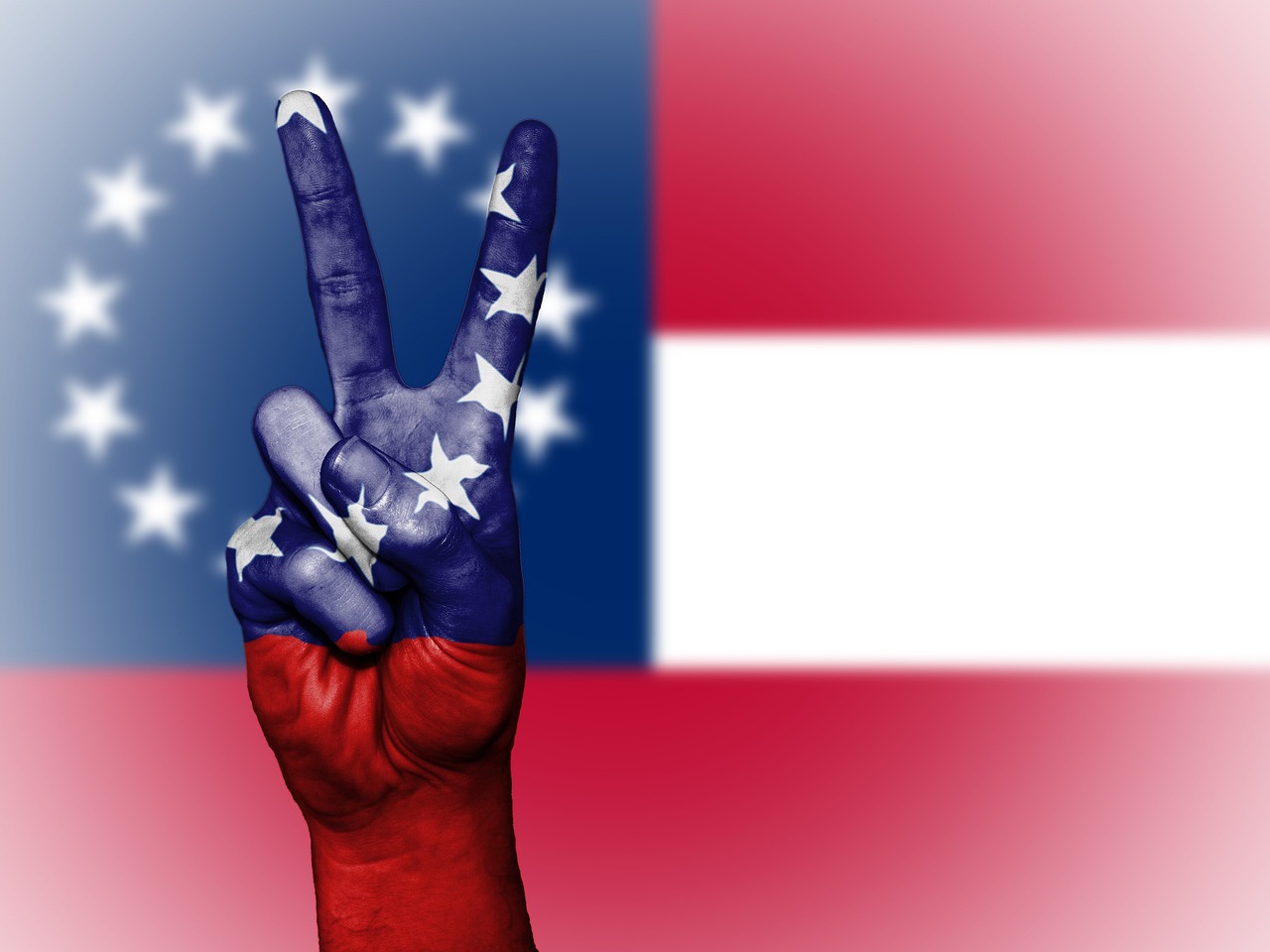
The Confederate Flag, once a symbol of the Southern states during the Civil War Era, has evolved into a highly debated and polarizing image in modern society. For clothing and merchandise, the shop has become a point of contention, raising questions about historical accuracy, cultural sensitivity, and the right to free expression. This section examines into the social impact of Confederate Flag T-shirts and offers insights into navigating this complex issue.
Debates surrounding the flag often revolve around its meaning and the context in which it is displayed. For some, it represents a connection to Southern pride and heritage, while for others, it evokes painful memories of slavery and racial inequality. The Stones River Battle, fought in 1862, serves as a stark reminder of the war's brutal reality, and yet, the shop continues to offer merchandise that can trivialize or misrepresent this history. Learning about Confederate flag etiquette is important; simply put, displaying the flag in a disrespectful or inaccurate manner can cause harm and perpetuate stereotypes. It's essential to differentiate between historical commemoration and promoting harmful ideologies.
Choosing Confederate Flag-themed gifts requires careful consideration. While some individuals may appreciate vintage Victorian Era flags or modern adaptations as collectibles, others may find such items offensive. A 2020 survey revealed that over 70% of Americans believe the Confederate Flag should be restricted or banned from public spaces. When selecting gifts, understanding the recipient's perspective is vital. The shop, as a business, should strive to offer diverse products, ensuring customers can make informed choices. Troubleshooting symbolism misunderstandings is key; for example, using the flag as a fashion accessory without recognizing its historical weight can be misconstrued as a supportive stance for the past's injustices.
In navigating this debate, it's essential to promote cultural sensitivity and historical accuracy. The shop can play a significant role in this dialogue by educating customers, offering transparent product information, and providing a platform for open discussions. By visiting us at the shop, you can learn about the diverse perspectives surrounding this symbol and make conscious decisions about its representation in modern culture.
Quick Reference
-
Avoid historical revisionism: T-shirts that romanticize or glorify the Confederacy perpetuate harmful narratives.
-
Respect cultural sensitivities: Be aware that the flag is a deeply offensive symbol for many, especially within the African American community.
-
Consider the context: The appropriateness of wearing such a shirt varies greatly depending on the setting and the wearer's intentions.
-
Research local laws: In some places, displaying the Confederate flag is against the law, especially on government property.
-
Educate yourself: Understand the flag's history and the ongoing debates surrounding its use to avoid insensitive displays.
-
Opt for alternative symbols: Explore other, less contentious designs that represent personal identity or causes without causing offense.
-
Listen to communities affected: Engage with and listen to the perspectives of marginalized groups to foster understanding and empathy.
-
Promote dialogue: Initiate conversations about the flag's meaning, history, and place in modern society to encourage respectful exchanges.
-
Be mindful of timing: Avoid wearing such shirts during events commemorating historical trauma or on days honoring civil rights milestones.
Confederate Flag T-Shirts: Style, Subversion, and Controversy
This section compares the Confederate Flag T-Shirt with two other types of politically charged apparel, examining the styles, intentions, and public reception of each.
| Feature | Confederate Flag T-Shirt | Black Lives Matter T-Shirt | Anti-Racism Pin |
|---|---|---|---|
| Key Features | Displays the Confederate flag, often with variations or silhouettes, on a T-shirt. | Features the phrase "Black Lives Matter" or variations, often with a black and white image. | A small, wearable symbol promoting anti-racist sentiments, usually a pin or patch. |
| Best Use Cases | For those who appreciate historical or regional symbolism, or who wish to express a conservative or southern pride. | For activists, supporters, and allies of the Black Lives Matter movement to show solidarity. | Worn by individuals and groups actively promoting anti-racism and social justice. |
| Strengths | Can be seen as a statement of heritage or identity. Some find its presence on clothing a powerful form of self-expression. | Directly communicates a vital social justice message, easily understood globally. | Actively promotes anti-racism and is a constant visual reminder of its wearer's commitment. |
| Limitations | Highly controversial, seen as offensive by many due to its association with slavery and racial oppression. Can be perceived as promoting a lost cause or white supremacy. | Some critics argue it co-opts the movement's message or reduces it to a trend. | Limited impact on systemic change; primarily a personal statement. |
| Cost/Performance | Varies widely depending on quality and material, typically affordable. | Inexpensive, often mass-produced for awareness campaigns. | Generally inexpensive, but the cost of pins or patches can add up in collections. |
Frequently Asked Questions About Confederate Flag T-Shirts Style Meets Controversy
What is the historical significance of the Confederate Flag?
The Confederate Flag, also known as the "Battle Flag," was the official flag of the Confederate States of America during the American Civil War (1861-1865). It was a symbol of southern states' rights and slavery, representing the secession of eleven southern states from the Union. Its use has endured as a contentious symbol, reflecting complex historical interpretations and varying perspectives on American history and racism.
Why are Confederate Flag T-shirts controversial?
Confederate Flag T-shirts are controversial due to their association with a symbol that many see as a representation of white supremacy, slavery, and racial oppression. The flag's history is linked to a time of profound racial injustice, and its display, even on clothing, can evoke strong emotions and memories for descendants of enslaved people and those who fought against the Confederacy.
Who typically wears Confederate Flag T-shirts?
The wearers of Confederate Flag T-shirts can vary widely. Some individuals embrace the flag as a symbol of southern heritage or pride, often without recognizing or acknowledging its racist connotations. Others may wear it as a statement against political correctness or as a way to express their interpretation of historical memory.
How do supporters defend the wearing of Confederate Flag T-shirts?
Supporters argue that the T-shirts are an exercise of free speech and an expression of historical pride. They may claim that the flag represents cultural heritage or that its meaning has been distorted or exaggerated. Some view any restriction on its display as a form of censorship, though this argument often overlooks the distress caused by the flag's offensive symbolism to marginalized communities.
What are some of the legal challenges related to Confederate Flag T-shirts?
In the United States, laws vary by state regarding the display of the Confederate Flag. Some places have banned public displays due to their offensive nature, while others permit it. In the context of T-shirts, legal challenges can arise from schools or workplaces restricting clothing that promotes hate speech or disrupts a safe and inclusive environment.
How does the use of Confederate Flag T-shirts impact racial relations?
The display of the Confederate Flag, whether on T-shirts or any other platform, can exacerbate racial tensions. It can be perceived as a denial of past injustices and a symbol of ongoing systemic racism. For many, it represents a barrier to racial healing and understanding, particularly in communities directly affected by slavery and its legacies.
Confederate Flag T-Shirts: A Retailer's Journey Through Controversial Style
Situation
A small, independent clothing retailer in the American South, "Southern Threads," found itself at the center of a cultural firestorm. Their latest collection, featuring T-shirts with confederate flags, sparked widespread criticism and protests. Customers were divided, with some embracing the clothing as a symbol of regional pride, while others condemned it as a glorification of slavery and racial oppression. The retailer faced a dilemma: capitalize on the controversial design, or pull it and risk alienating a portion of its customer base?
Action
Southern Threads took a proactive approach. They organized a town hall meeting with local community leaders, activists, and concerned citizens. The retailer invited historians and experts to provide context on the confederate flag's symbolism and its historical impact. After extensive feedback, Southern Threads decided to remove the confederate flag T-shirts from their shelves, replacing them with alternative designs that celebrated Southern culture without invoking harmful racial narratives. They also implemented a social media campaign, "Reimagining Pride," to promote dialogue and showcase the new collections.
Result
The retailer's decision to pull the T-shirts led to a 35% increase in online sales within the first month, as customers praised the brand for its responsiveness and commitment to social responsibility. The "Reimagining Pride" campaign garnered over 10,000 engagements on social media, with users sharing photos of themselves wearing the new designs. The town hall meeting also resulted in a partnership with local cultural organizations, leading to collaborative events that further promoted understanding and respect for diverse perspectives within the community.
The shop, reflecting the complex history of the South, stands at a crossroads of style, controversy, and cultural evolution. Since its origins in the Civil War Era, the flag has evolved from a symbol of Southern states' pride to a polarizing image, with varied interpretations and interpretations tied to plantation life, battles like Stones River, and the Victorian era's flag designs. The T-shirt trend, once confined to subcultures, has brought the Confederate flag into mainstream fashion, with modern adaptations and its use in fashion accessories. However, this trend intersects with ethical, legal, and social considerations. Debates over historical accuracy, cultural sensitivity, and community outrage have sparked legal battles, including defamation, free speech, and copyright issues. The shop, as a retail perspective, must handle these complexities, ensuring responsible display and merchandise while acknowledging the flag's multifaceted symbolism. The social impact of this debate is profound, requiring continuous education and engagement to foster understanding and respect for diverse viewpoints. The shop, as a microcosm of broader societal discussions, must embrace a nuanced approach to its representation, balancing style, history, and the ongoing cultural conversation.
The Confederate Flag, a complex symbol, has evolved from Civil War era pride to a contentious emblem. Its display and sale, especially in merchandise like T-shirts, spark debate. Online stores like Ultimate Flags offer a range of designs, but must prioritize historical accuracy and cultural respect. The shop handles a delicate balance, considering free expression, legal constraints, and community sensitivity. Modern adaptations, legal distinctions between replicas and authentic souvenirs, and open dialogue are key to responsible engagement with this symbol.